

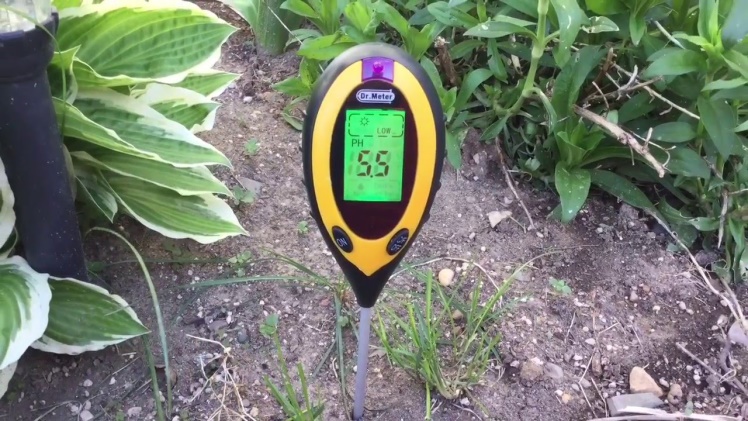

Soil pH is a critical factor in determining the health and productivity of plants. It directly affects the availability of essential nutrients, microbial activity, and overall soil fertility. Understanding and monitoring soil pH levels is crucial for gardeners, farmers, and researchers. In this article, we delve into the world of soil ph tester, exploring their importance, working principles, types, and the benefits they bring to plant growth and productivity. Whether you are a seasoned gardener or an agriculture enthusiast, harnessing the power of soil pH testing will equip you with valuable insights to optimize your soil conditions and achieve thriving plant ecosystems.
Importance of Soil pH Testing
Soil pH directly influences nutrient availability in the soil. Each nutrient has an optimal pH range at which plants most easily absorb it. If the soil pH strays too far from the optimum, nutrient deficiencies or toxicities can occur, leading to stunted growth, poor yield, and plant diseases. Furthermore, soil pH plays a crucial role in shaping soil microbial activity. Certain beneficial microorganisms thrive in specific pH ranges, aiding nutrient cycling, disease suppression, and root health. Farmers and gardeners can make informed decisions regarding soil amendments, fertilizers, and crop selection by monitoring soil pH, leading to improved plant health and productivity.
Working Principles of Soil pH Testers
Soil pH testers are devices designed to measure the acidity or alkalinity of the soil. They operate on the principle that pH affects the electrical conductivity of a solution. The most common soil pH testers are electronic or digital pH meters, litmus paper, and colorimetric test kits.
Electronic pH meters consist of a probe that is inserted into the soil. The probe contains electrodes that measure the electrical potential between them, which is then converted into a pH value. These meters provide accurate and precise readings and are ideal for professional use.
Litmus paper, known as pH test strips, is a cost-effective and convenient option for casual gardeners. The paper changes color according to the soil pH, and the user can match the color to a reference chart to determine the pH value.
Colorimetric test kits involve mixing soil samples with specific reagents that change color based on the soil pH. The intensity of the color corresponds to the pH level, and the user can interpret the results by comparing the color against a provided chart.
Benefits of Soil pH Testing
Regular soil pH testing offers several benefits to gardeners, farmers, and researchers. Firstly, it allows for precise nutrient management. Farmers can adjust fertilizer applications to meet specific plant requirements by knowing the soil pH. For example, specific nutrients, such as iron or phosphorus, become less available at high pH levels. In such cases, pH testing helps select appropriate fertilizers or employ soil amendments to optimize nutrient uptake.
Secondly, soil pH testing aids in plant selection. Different plants thrive in different pH ranges. Acid-loving plants like blueberries and azaleas prefer lower pH levels, while alkaline-tolerant plants like cacti and lavender thrive in higher pH conditions. Understanding the soil pH enables gardeners to choose the right plants for their specific soil type, leading to healthier and more vigorous growth.
Thirdly, soil pH testing assists in pest and disease management. Certain pathogens and pests favor specific pH conditions. By monitoring and adjusting the soil pH, gardeners can create an environment that is less hospitable to these organisms, reducing the risk of infestations and diseases.
Conclusion
Soil pH testers are indispensable for optimizing plant growth and productivity. By understanding the importance of soil pH, employing different testing methods, and utilizing the insights gained, gardeners, farmers, and researchers can unlock the full potential of their soil and achieve thriving plant ecosystems. With regular soil pH testing as part of their soil management practices, individuals can make informed decisions regarding nutrient management, plant selection, and disease control, resulting in healthier plants and bountiful harvests.
