

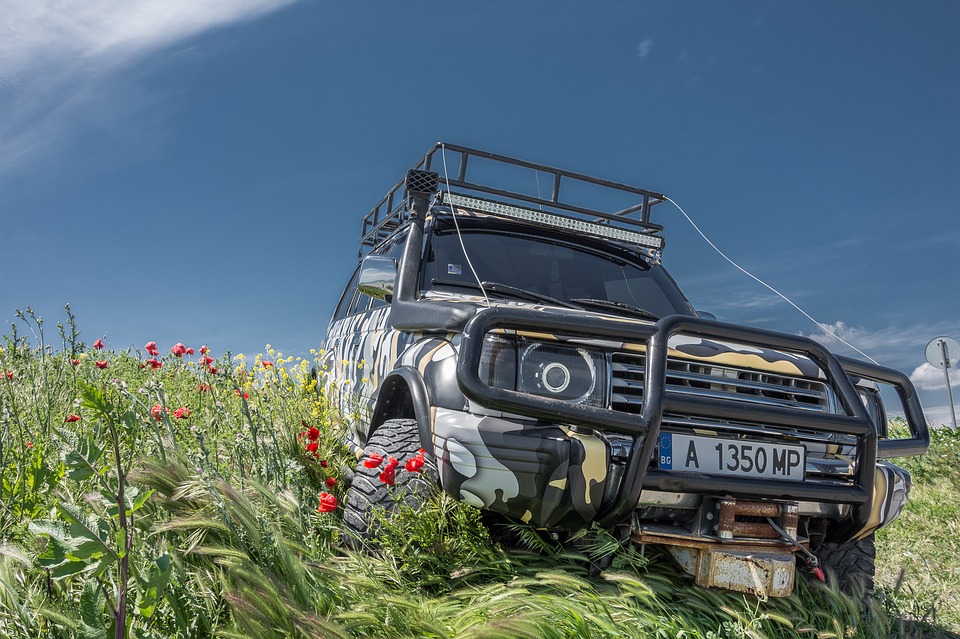

Bull bars have been a popular addition to vehicles for decades (especially off-roaders), providing protection from collisions with animals and other vehicles. However, there are some talks about their potential to cause harm to pedestrians and other vulnerable road users. Let’s talk about it.
As an initial piece of safety advice, make sure your bull bar is the perfect fit for your vehicle. That means if you’re driving an Isuzu, you’ll most definitely need to get an Isuzu bull bar. In this article, we’ll explore the safety implications of using bull bars and give tips on how to minimise the risks.
Understanding the Risks
Bull bars are designed to protect the front of a vehicle from damage in the event of a collision with an animal or another vehicle. However, in the event of a collision with a pedestrian or cyclist, they can cause serious injuries or fatalities.
Bull bars can increase the severity of the impact by raising the centre of gravity of the vehicle and increasing the risk of head injuries. In addition, the sharp edges and hard surfaces of bull bars may cause lacerations and fractures.
Safety Regulations
Many countries have regulations in place to limit the use of bull bars to minimise the risks to pedestrians and other road users. For example, the European Union has banned the sale and use of rigid bull bars since 2007.
In Australia, bull bars must meet strict safety standards to ensure they don’t pose a heightened risk to pedestrians in the event of a collision. That means the bull bars you see in the market today have passed these standards.
However, in some countries, such as the United States, there are no federal regulations governing the use of bull bars, leaving the responsibility of safety to individual states.
Minimising the Risks
If you choose to install a bull bar on your vehicle (which sounds about right), there are steps you can take to minimise the risks. For one, choose a bull bar that meets the safety standards in your country. You should also choose one that’s designed to reduce the risk of injury in the event of a collision. For example, some bull bars have built-in energy absorbers that can help reduce the impact of a collision.
Conclusion
Bull bars offer protection to your vehicle in the event of a collision, but they can also pose a risk to pedestrians and other vehicles on the road. While there are regulations in place in some countries to limit the use of bull bars, it’s important for vehicle owners to take responsibility for their safety and that of others.
By choosing a bull bar that fits the make and model of your vehicle, meets safety standards in your area and is designed to actually minimise the risk of injury, vehicle owners can help to reduce the risks associated with using it.
Do you have a bull bar affixed to your vehicle? How has it been able to help keep you and your vehicle safe? Share your experience in the comments!
