





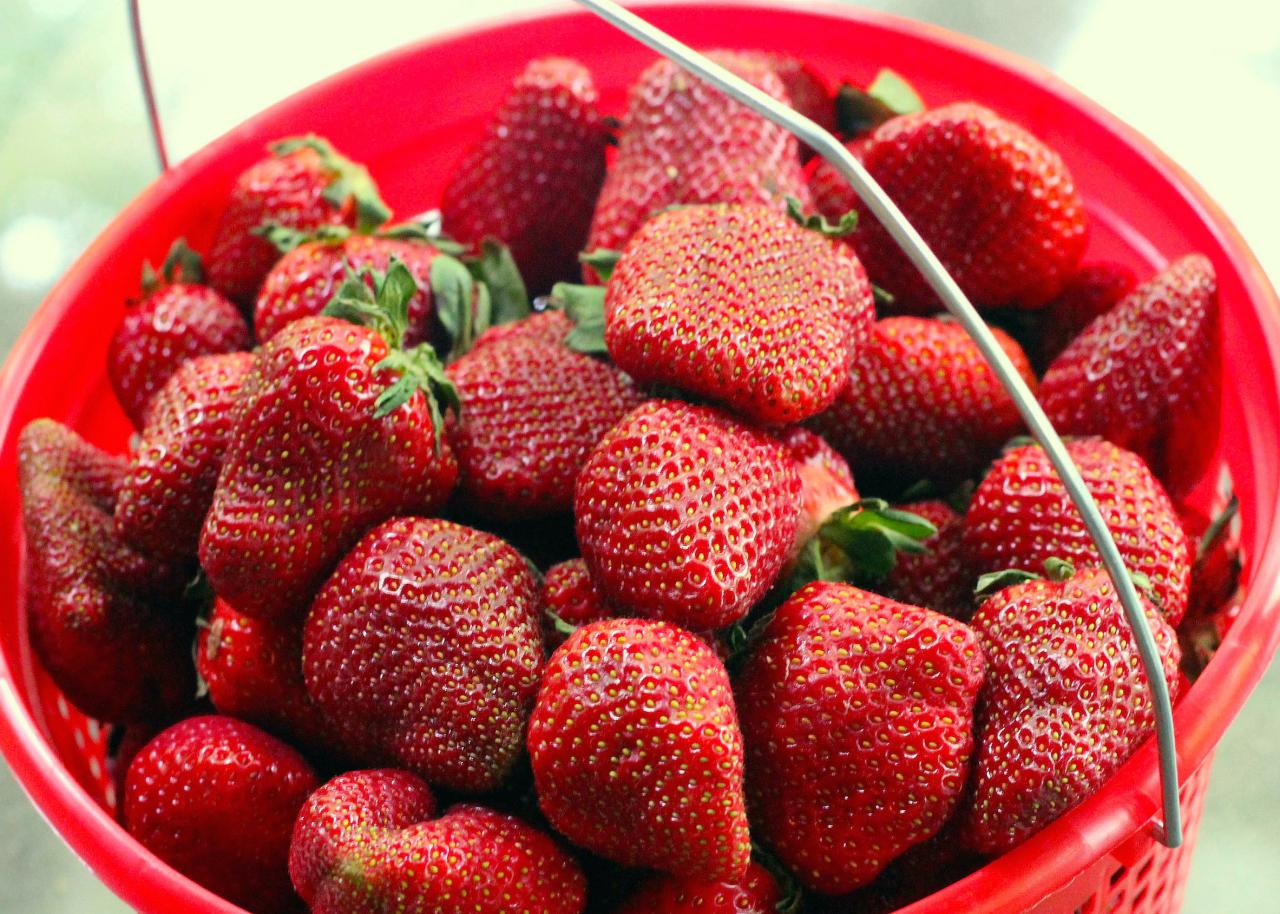


You may wonder how strawberries travel from the farm to your table. Sustainable farming is changing how strawberries are grown, harvested, packaged, and transported for consumers worldwide. Here’s how a strawberry journeys from farm to table:
Planting and Cultivation
Strawberry farming is a large part of the US agricultural industry. California alone produces around 1.6 billion pounds of strawberries annually and is the largest producer in the United States. It accounts for about 90% of the country’s strawberries produced.
A strawberry’s journey usually begins between August and September, when strawberry seedlings are planted. They need well-drained and nutritious soil. Many farmers now use cover crops, such as clover and compost, to reduce the need for chemical pesticides and fertilizers.
Strawberry seeds are chosen based on their disease resistance, market demand, and yield potential. The strawberry variety’s flavor and appearance are other factors considered. There are many different types of strawberries, each with a unique flavor profile. Some varieties may be preferred by specific consumers or for certain uses.
Strawberry crops need regular water during their fruiting season. Each strawberry tree will need an average of about two inches of water a day. Most strawberry varieties will take two to three months to flower. The period from flowering to harvest is between four to six weeks. Many farms will bring in bees from local beekeeping operations to help with pollination during the flowering season.
Harvesting and Sorting
California has worked to streamline its harvesting process for large-scale operations. They have worked tirelessly to find the most productive way to harvest their berries. The process begins as soon as the strawberries are ripe.
Thousands of workers flock to strawberry farms every year to help as harvesters. Hand-picking is still the preferred harvesting method to ensure that only the juiciest and ripest strawberries make it to the market. The strawberries are sorted to remove any spoiled or damaged berries. Some farms use automated machinery to scan berries with cameras and sensors for defects.
After harvest, workers will help clear the fields to prepare for the next crop. Farmers may use techniques like crop rotation to prevent soil depletion and erosion.
Packaging and Transportation
Once the strawberries are sorted, they’re packaged and transported to their destination. To protect the strawberries during transit, they’re packed into plastic clamshells. These are then loaded onto trucks and transported to distribution centers, where they’re sorted again before heading out to grocery stores and other retailers.
Sustainable Strawberry Farming
Sustainable agriculture has grown in recent years. Sustainable farming aims to reduce the environmental impact of farming, promote biodiversity, and help improve the agriculture industry’s long-term viability.
One area strawberry farmers have addressed is reducing the use of pesticides and other chemicals. While pesticides can help protect crops from pests and diseases, too much can harm beneficial insects and wildlife. Some chemicals can also pollute waterways or plant life. Sustainable farmers minimize the use of pesticides through techniques like crop rotation, using natural predators, and selective breeding.
Water management is another way strawberry farmers support sustainability. Since most strawberries are grown in California, which often experiences drought conditions, watering must be done wisely. Sustainable farmers use drip irrigation systems to deliver water directly to the roots of the plants. This reduces water waste while also minimizing the risk of disease.
Soil health is an essential part of sustainable farming. Cover cropping and certain composting techniques can help improve soil fertility and reduce erosion. Healthy soil promotes plant growth while also reducing the need for fertilizers.
Help Support Sustainable Farming
Strawberry farming demands a lot of time and labor from start to finish. Knowing what goes into it helps us appreciate the hard work that goes into producing delicious and sustainably sourced strawberries. The next time you bite into a strawberry, take a moment to appreciate the journey it took to reach your table.
Consumers can search online to learn more about how farmers are working to be more sustainable. They can also look for certifications like a USDA Certified Organic label or the Certified Naturally Grown label. These labels can indicate that the strawberries have been grown without synthetic pesticides or fertilizers and that the farming practices used were designed to promote environmental sustainability.


