

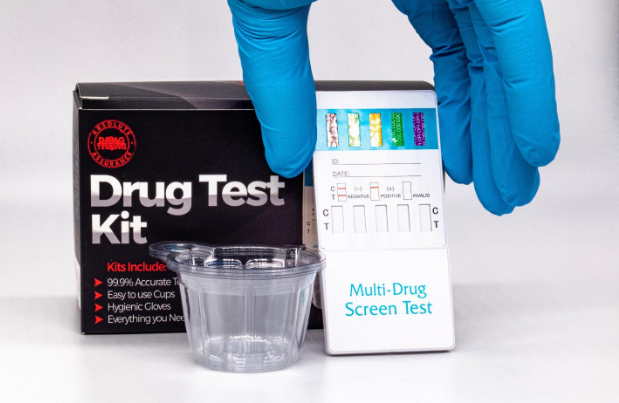

The Department of Transportation (DOT) drug test is a critical component of ensuring the safety and integrity of the transportation industry. Professionals operating in safety-sensitive positions, such as commercial drivers and aviation personnel, are subject to regular drug testing to maintain a secure work environment. Understanding the substances that can lead to a positive result is crucial for individuals subject to DOT drug testing.
About The DOT Drug Test:
The DOT drug test is a standardized screening process designed to identify the presence of prohibited substances in the system of safety-sensitive employees. The test typically includes screening for five main categories of drugs:
- Marijuana (THC)
- Cocaine
- Opiates (including heroin, codeine, and morphine)
- Amphetamines
- Phencyclidine (PCP)
Substances That Can Cause a Positive Result:
Marijuana (THC):
THC, the psychoactive compound in marijuana, is one of the most commonly tested substances. While some states have legalized marijuana for recreational or medicinal use, it remains a prohibited substance under federal law. Consuming marijuana, whether through smoking, edibles, or other methods, can lead to a positive result.
Cocaine:
Cocaine is a powerful stimulant that can cause euphoria and increased energy. It is typically detectable in urine for a few days after use. Individuals using cocaine, even occasionally, may test positive on a DOT drug test.
Opiates:
Opiates, including heroin, codeine, and morphine, are central nervous system depressants that can cause drowsiness and respiratory depression. Prescription medications containing opiates can also lead to positive test results. It is essential to inform the testing facility of any prescribed medications to avoid potential misunderstandings.
Amphetamines:
Amphetamines, which include drugs like methamphetamine and certain prescription medications for attention deficit hyperactivity disorder (ADHD), are stimulants that can enhance alertness and energy. Using these substances without a valid prescription can result in a positive drug test.
Phencyclidine (PCP):
PCP is a hallucinogenic drug that can cause distorted perceptions and a detachment from reality. While less commonly abused than some other substances, it remains part of the DOT drug testing panel.
Avoiding Positive Test Results
To avoid a positive result on a DOT drug test, individuals subject to testing should:
Disclose Medications:
Inform the testing facility of any prescribed medications to ensure accurate interpretation of results.
Abstain from Prohibited Substances:
Refrain from using illicit substances or non-prescribed medications that can trigger a positive result.
Understand State Laws:
Be aware of state-specific regulations regarding the use of marijuana, as state legalization does not override federal regulations.
Don’t Rely on Labels
Some substances such as CBD oil are not regulated by the FDA. Therefore, there could be trace amounts of THC in these products even if the label neglects to list it. Read more about will CBD oil make you fail a drug test?
If you fail a DOT drug test
It’s important to connect with a DOT qualified substance abuse professional as soon as possible. You will need to go through the return to duty process before you can work in a safety-sensitive position.
Navigating the DOT drug test requires a clear understanding of the substances that can lead to a positive result. Professionals in safety-sensitive positions should prioritize safety and compliance by abstaining from prohibited substances and disclosing any necessary medications to testing facilities. By maintaining awareness and adhering to regulations, individuals can contribute to a safer and more secure transportation industry.
