

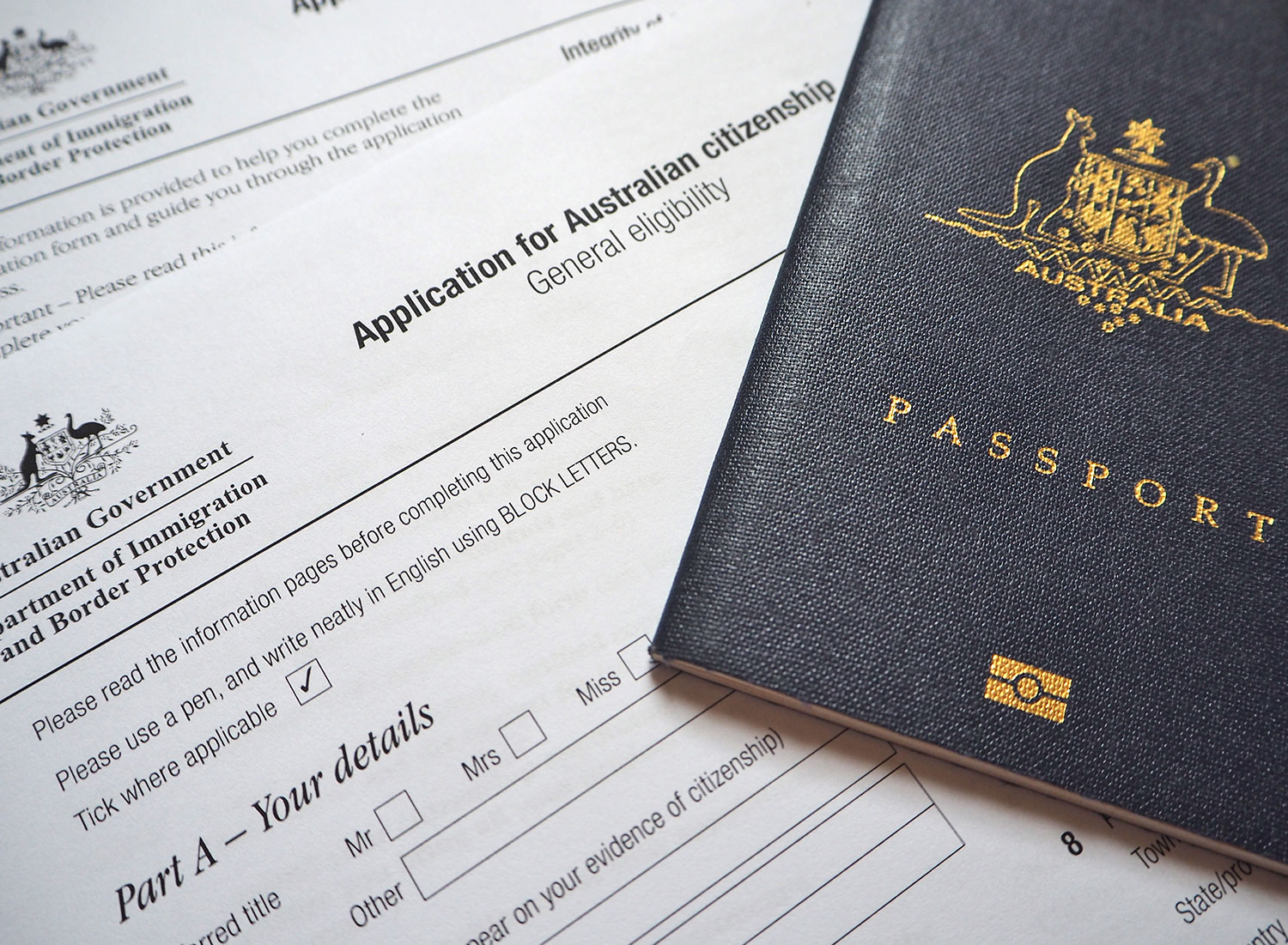

Australia is one of the more popular destinations for immigrants who are looking to work or study overseas. It offers skilled work opportunities and great pathways for immigrations to settle permanently.
When considering moving from your home country to Australia, it is necessary to have an understanding of the immigration law in Australia. This includes understanding the types of visas available that can help you enter Australia.
Moreover, you may also be aspiring to apply for Australian citizenship. In this article we’ll explore some insights into Australia’s immigration law. We will start by looking into some of the available visa categories:
Visa Categories:
- Visitor Visas: These are for short-term stays, typically for tourism, business meetings, or visiting family and friends. They come in various subclasses, such as the Tourist Visa (subclass 600).
- Student Visas: Australia is a popular destination for international students. The Student Visa (subclass 500) allows foreign students to pursue higher education at Australian institutions.
- Work Visas: Australia offers several work-related visas, including the Temporary Skill Shortage Visa (subclass 482) for skilled workers and the Graduate Work Visa (subclass 485) for recent graduates of Australian universities.
- Family Visas: These are for family members of Australian citizens or permanent residents, allowing them to join their loved ones in Australia. Options include the Partner Visa (subclass 820/801.
- Humanitarian Visas: Australia also has a strong commitment to providing refuge to those in need. Humanitarian visas, such as the Refugee and Humanitarian (subclass 200/202) visas, are available to those fleeing persecution or conflict.
Secondly, the Australian immigration system also offers certain pathways to citizenship. There are many benefits of Australian citizenship, including the right to vote and work in government positions. To become an Australian citizen, one typically follows these steps:
- Permanent Residency: Most individuals start as permanent residents, which can be achieved through skilled migration, family sponsorship, or humanitarian programs.
- Residency Requirement: To qualify for citizenship, a person must have lived in Australia as a permanent resident for at least four years, including at least one year as a permanent resident immediately before applying.
- Good Character Requirement: Applicants must demonstrate good character by providing police clearance certificates and adhering to Australian laws.
- Citizenship Test and Interview: Prospective citizens are required to pass a citizenship test that assesses their knowledge of Australian values, traditions, and history. They may also need to attend an interview.
- Pledge of Allegiance: Finally, successful applicants participate in a citizenship ceremony, during which they pledge their allegiance to Australia and receive their Australian citizenship certificate.
Note that the steps may differ, in that there may be some additional steps depending on your individual circumstances. Lastly, immigration law is subject to change, so applicants should always consult the latest information and seek legal advice if needed.
Australia’s immigration system reflects its commitment to diversity, with a strong focus on economic contribution, family reunification, and humanitarian principles. This makes it an attractive destination for individuals seeking new opportunities and a better life.
Author info:
John Bui is the Principal Solicitor of JB Solicitors – a law firm based in Sydney, Australia. John has extensive knowledge in the areas of family law and commercial litigation.
