

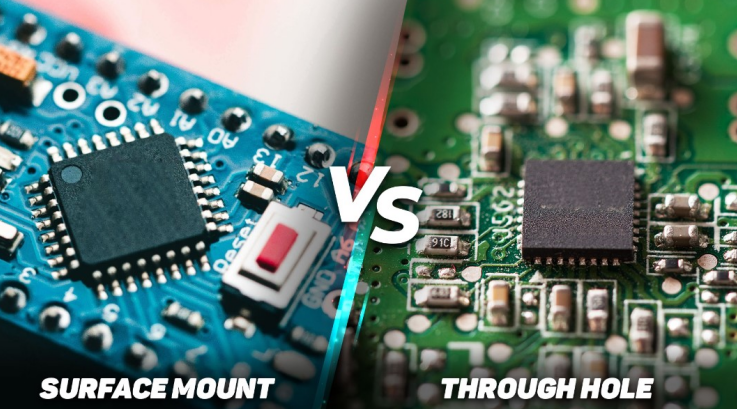

In the dynamic landscape of electronics manufacturing, the choice between through-hole and surface mount technology (SMT) plays a pivotal role in the creation of hybrid PCB assemblies. Hybrid PCB assembly combines elements of both through hole and surface mount technologies to optimize the performance and functionality of printed circuit board assemblies (PCBA). In this exploration, we delve into the intricacies of hybrid PCB assembly, comparing the advantages and considerations of through hole vs surface mount technologies in the context of PCBA manufacturing.
Hybrid PCB Assembly: An Overview
Hybrid PCB assembly is a methodology that strategically integrates through hole and surface mount components on the same printed circuit board. This approach allows manufacturers to leverage the strengths of both technologies, tailoring the assembly to meet specific design requirements. The combination of through-hole and surface mount components provides a versatile solution that addresses the challenges posed by modern electronic designs.
Through Hole Technology: The Time Tested Approach
Through hole technology involves mounting components on a PCB by inserting their leads through holes drilled into the board and soldering them on the opposite side. This method has a long-standing history and is known for its robust mechanical connections, making it suitable for components that require additional stability or have high-power requirements.
Advantages of Through-Hole Technology:
Mechanical Strength: Through hole components offer robust mechanical connections, making them suitable for applications with high mechanical stress or vibrations.
High Power Handling: Through hole components can handle higher power levels, making them ideal for power circuits and applications with demanding electrical requirements.
Ease of Repair: Components mounted using through hole technology are generally easier to replace or repair, facilitating maintenance and upgrades.
Surface Mount Technology: The Compact and Efficient Alternative
Surface mount technology involves attaching components directly to the surface of the PCB, eliminating the need for holes. This method is known for its compactness, allowing for smaller and lighter electronic devices. SMT has become increasingly popular in modern electronics due to its compatibility with automated assembly processes and its ability to support high-density component placement.
Advantages of Surface Mount Technology:
Space Efficiency: SMT components are smaller and can be placed more densely on the PCB, resulting in smaller and more compact electronic devices.
High-Frequency Operation: SMT is well-suited for high-frequency applications, making it an ideal choice for communication devices and other applications that require fast signal processing.
Automated Assembly: SMT is highly compatible with automated assembly processes, leading to increased efficiency and reduced manufacturing costs.
Choosing the Right Technology for Hybrid Assemblies
When deciding between through-hole and surface mount technologies for hybrid PCB assemblies, several factors must be considered:
Application Requirements: Consider the specific requirements of the electronic device. High-power applications may benefit from through-hole components, while space-constrained designs may favor surface mount components.
Cost Considerations: Evaluate the cost implications of each technology, including component costs, assembly costs, and the overall impact on the manufacturing process.
Manufacturability: Assess the feasibility of each technology in terms of manufacturing processes, especially if automated assembly is a key consideration.
PCBA Manufacturer’s Role in Hybrid Assembly
Choosing the right PCBA manufacturer is crucial in achieving a successful hybrid PCB assembly. A reputable manufacturer will have expertise in both through-hole and surface mount technologies, ensuring seamless integration and optimal performance. Additionally, they can provide valuable insights into design considerations, material selection, and cost-effective solutions.
Conclusion
Hybrid PCB assembly combines the strengths of through hole and surface mount technologies, offering a versatile solution for diverse electronic applications. The choice between through hole and surface mount components depends on the specific requirements of the application, and a knowledgeable PCBA manufacturer can play a pivotal role in guiding this decision. As electronic designs continue to evolve, the integration of through hole and surface mount technologies in hybrid assemblies will likely become even more prevalent in the pursuit of efficient and high-performance electronic devices.
