

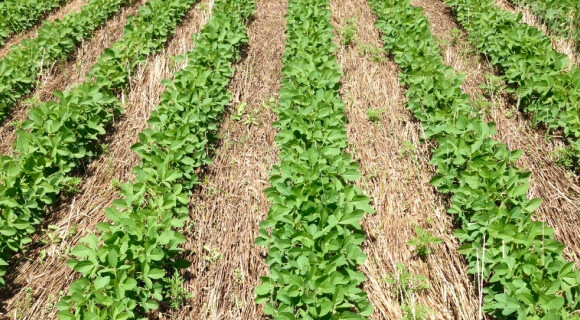

If you’re a farmer looking for sustainable farming techniques that reduce soil erosion and improve soil quality, then no-till farming may be just the thing you need. No-till farming is a technique of planting crops without tilling the land. Instead, it involves using specialized equipment that places seeds in the soil without growing. This not only saves time and labor but also helps to improve soil health, increase soil organic matter, and reduce the use of synthetic fertilizers.
Using fertilizers is vital for the growth and development of crops. To achieve the best results in a no-till farming system, you need to adopt proper fertilization strategies. Expert John Gessin will discuss some of the key strategies you should consider.
Use Cover Crops to Boost Soil Fertility
Cover crops are an essential component of any no-till farming system. They help build organic matter, enhance soil health and fertility, and reduce weeds and pests. Cover crops also provide a natural source of nutrients for your crops, thereby reducing your reliance on synthetic fertilizers.
Regarding fertilization, cover crops offer a valuable source of nitrogen, phosphorus, and other essential nutrients. Planting a nitrogen-fixing cover crop such as legumes can increase soil nitrogen levels and improve soil fertility. Cover crops can be managed by planting them during the fallow season or after harvest and then terminated before the next planting season.
Consider the Type of Fertilizers You Use
The type of fertilizers you use can significantly impact soil health and the environment. In a no-till farming system, you should consider using organic fertilizers such as compost, manure, and other organic materials. These fertilizers provide essential nutrients for your crops and enhance soil health by improving soil structure, moisture retention, and aeration.
On the other hand, synthetic fertilizers may offer a quick source of nutrients, but they can lead to soil acidification, nutrient imbalances, and soil degradation over time. They can also harm soil microorganisms, which are vital for soil health. Therefore, consider using organic fertilizers to enhance soil health and reduce environmental pollution.
Apply Fertilizers at the Right Time
Timing is critical when it comes to fertilizing your crops. Applying fertilizers at the wrong time can lead to nutrient losses and reduced crop yields in a no-till farming system. Therefore, you should use fertilizers at the right time to ensure maximum crop uptake.
John Gessin says one of the best times to apply fertilizers is during planting or just before. This allows nutrients to be available to plants as soon as they emerge. Timing your fertilizer application will ensure your crops can access the necessary nutrients.
Monitor Soil Nutrient Levels
Monitoring soil nutrient levels is critical to achieving fertilization. In a no-till farming system, it’s essential to periodically test your soil for nutrient levels. A soil test will help you choose your soil’s pH, nutrient levels, and organic matter content. With this information, you can select the correct fertilizer and apply it in the right quantity.
It’s also essential to adjust your fertilization strategy based on the results of your soil tests. For instance, if your soil test shows high nitrogen levels, you can opt for a low-nitrogen fertilizer. Monitoring soil nutrient levels will help you avoid over-fertilization, which can harm your crops and the environment.
Conclusion:
In conclusion, adequate fertilization is essential for successful no-till farming. By using cover crops to boost soil fertility, choosing organic fertilizers, applying fertilizers at the right time, and monitoring soil nutrients, you can achieve optimum crop yields and improve the health of your soil. Adopting these fertilization strategies will also improve soil sustainability and reduce environmental pollution. As a farmer, it’s essential to experiment with different fertilization strategies and adjust them accordingly to meet the needs of your specific crops and soil conditions.
