

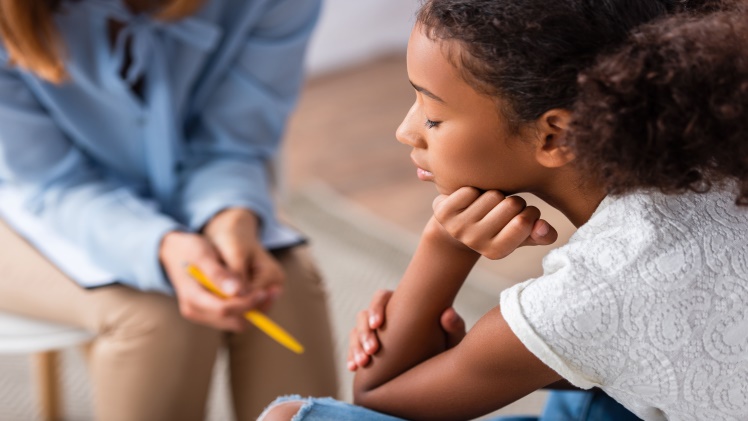

Childhood anxiety disorders, comprising a substantial portion of psychiatric diagnoses in children, represent a pressing health concern. Surprisingly common, they often remain hidden, masked by a lack of understanding or recognition of their signs. The toll these conditions take on a child’s life – affecting their school performance, social interactions, and overall well-being – cannot be underestimated. This article ventures beyond the surface to demystify childhood anxiety disorders. By delving into the prevalence of these disorders, identifying potential causes, decoding their symptoms, and suggesting effective management strategies, we aim to provide a roadmap for parents, teachers, and caregivers. Our objective is to arm you with essential knowledge and practical tools, empowering you to support the children in your care effectively and confidently. It is through understanding and education that we can bring about change and provide the necessary support for children dealing with anxiety.
Understanding Childhood Anxiety Disorders
Understanding childhood anxiety disorders begins by acknowledging that anxiety, in its basic form, is a universal human emotion. It’s a built-in mechanism designed to alert us to potential threats or dangers. But, as highlighted here, when this anxiety escalates, becoming all-encompassing, relentless, and disruptive, it ventures into the realm of an anxiety disorder. Numerous forms of these disorders exist, such as Generalized Anxiety Disorder, Separation Anxiety, and Social Anxiety. In children, these disorders don’t merely mimic adult versions. Instead, they are uniquely intertwined with the complexities of growing up, often mirroring age-specific fears and concerns. For instance, a young child’s separation anxiety may stem from the fear of parting ways with their parents, while an adolescent might grapple with social anxiety due to an intense fear of peer judgment. Recognizing and acknowledging these distinct, age-related manifestations is an essential stride to comprehending and addressing childhood anxiety disorders effectively. Through this understanding, we can start to provide meaningful support to children grappling with these challenging conditions.
Causes and Risk Factors
Childhood anxiety is a multifaceted issue, with its roots reaching into biological, environmental, and psychological territories. According to professionals, on the biological front, genetic predisposition plays a crucial role. Furthermore, the unique nature of a child’s brain chemistry, including neurotransmitter levels and activity, can profoundly influence how they perceive and respond to stressful situations, potentially amplifying anxious feelings.
Turning to the environment, childhood trauma, and anxiety-inducing situations cast long shadows over a child’s mental health landscape. Significant events such as domestic instability, bullying, or even violence can spur the development of anxiety disorders. A child exposed to these adverse circumstances or high-stress environments may resort to chronic anxiety as a coping mechanism, a kind of mental armor against ongoing stressors.
From a psychological perspective, the child’s temperament can be a significant influence. Children who are naturally more sensitive or introspective can be more prone to developing anxiety disorders. In the same vein, how well a child can regulate their emotions and cope with challenges also factors into the equation. Those struggling with problem-solving or emotional self-regulation are often more susceptible to heightened anxiety. It’s important to understand these complexities to offer effective support and interventions tailored to the unique needs and experiences of each child facing anxiety.
Signs and Symptoms of Childhood Anxiety Disorders
Understanding the signs and symptoms of childhood anxiety can often be a complex task due to its wide-ranging and sometimes subtle nature. Recognizing these signs is crucial as it provides valuable insights into a child’s experiences with anxiety, aiding caregivers to seek timely assistance and initiate suitable interventions.
Here’s a variation of the manifestations:
Emotional Signs:
- Excessive worries about both significant and minor life aspects
- Fears related to school performance, health, the safety of loved ones, or specific phobias
- Heightened agitation, irritability, or mood swings
Behavioral Symptoms:
- Avoidance of situations associated with their fears, resulting in changes in their usual activities or habits
- Refusal to go to school or participation in social events
- Frequent tantrums, sudden outbursts of anger, or noticeable resistance when faced with particular scenarios
Physical Signs:
- Regular complaints of headaches and stomachaches without a clear medical cause
- Sleep disturbance, such as trouble falling asleep or frequent nightmares, leads to childhood sleep anxiety
- Restlessness or constant fatigue
Cognitive and Academic Impacts:
- Struggle with focus leading to a dip in school performance or difficulties in completing homework
- Signs of perfectionism are demonstrated by spending excessive time on assignments due to fear of making mistakes
It’s important to note that these signs can vary greatly from one child to another, underscoring the importance of individualized understanding and care.
Diagnosis of Childhood Anxiety Disorders
An accurate and comprehensive diagnosis is the cornerstone of understanding and effectively addressing childhood anxiety. It typically involves a thorough professional evaluation that includes interviews, questionnaires, and, often, a pivotal tool known as psychoeducational assessments.
These evaluations delve into the child’s cognitive functioning, emotional and social development, and academic abilities. They provide a holistic picture of the child’s experiences, which goes beyond the symptoms of anxiety alone. By studying the child’s responses and behaviors in various contexts, clinicians can determine not only the nature of the anxiety but its intensity and impact on the child’s daily life.
Moreover, psychoeducational assessments can highlight any learning difficulties or special needs that may coexist with anxiety disorder, often termed as comorbid condition. Identifying these overlapping issues is crucial as it can affect the child’s coping mechanisms and response to treatment.
The insights garnered from this comprehensive assessment prove invaluable when designing personalized treatment plans.
Remember, timely and accurate diagnosis is the first significant step on the journey of managing childhood anxiety disorders. It lays the groundwork for effective intervention, empowering children to regain control and live a happier, healthier life.
Treatment Options
Cognitive-behavioral therapy (CBT) is often recognized as a cornerstone of treatment. This therapy assists children in identifying and understanding their anxious thoughts and feelings, challenging their cognitive distortions, and learning effective coping mechanisms. Techniques might include exposure therapy, where children gradually confront their fears in a controlled environment, thereby reducing their anxiety response.
In certain cases, medication might be advised as part of the treatment plan. Selective serotonin reuptake inhibitors (SSRIs) and other medication classes can be used in conjunction with therapy to help manage severe anxiety symptoms, always under the careful supervision of a healthcare professional.
Complementing these strategies, mindfulness and relaxation techniques, such as deep breathing, progressive muscle relaxation, and guided imagery, can also be invaluable tools. These techniques help children to focus on the present moment, calming their minds and managing the physical symptoms of their anxiety.
Lifestyle modifications can also play a significant role in managing anxiety symptoms. Regular physical activity helps reduce anxiety by boosting the body’s production of endorphins, natural mood lifters. Similarly, a balanced diet, rich in fruits, vegetables, lean proteins, and complex carbohydrates, can stabilize blood sugar levels and impact mood positively. Lastly, prioritizing good sleep hygiene is crucial, as sleep deprivation can exacerbate anxiety symptoms in children.
Treatment for childhood anxiety is not one-size-fits-all. It requires a personalized approach, often involving a combination of these strategies. The goal is not just to manage symptoms but to equip children with the tools they need to lead fulfilling, anxiety-free lives.
Supporting a Child with Anxiety
Supporting a child with anxiety is a collective endeavor, calling for the understanding and collaboration of those in the child’s immediate environment. Parents and caregivers are the first lines of support, helping create a nurturing space that balances reassurance with gentle encouragement to face fears. This involves acknowledging the child’s emotions, validating their feelings, and providing comfort.
Equally important is the role of educational institutions. Schools and teachers should be informed about the child’s condition and be prepared to provide necessary accommodations. This could include additional time for tests, a quiet space for relaxation, or modified homework assignments. Experts in the field of education have consistently told us about the critical role that schools play in supporting students with anxiety.
Maintaining open, empathetic communication is a vital part of this support network. Let the child express their feelings without fear of judgment, creating an environment of trust and understanding. Encourage resilience and the development of coping skills, reinforcing their confidence and promoting a sense of control over their emotions.
Childhood anxiety can sometimes coincide with other disorders like depression, underscoring the importance of professional intervention. In such cases, keeping open, supportive dialogue becomes even more essential.
Conclusion
Gaining a comprehensive understanding of childhood anxiety disorders is necessary for everyone who interacts with, educates, or nurtures children. As we deepen our collective awareness and strive towards accurate diagnosis and personalized interventions, we enable children to navigate their anxiety in a healthier and more productive way.
A crucial part of this journey is acknowledging that children, equipped with the right tools, support, and resources, possess a remarkable ability to overcome anxiety disorders. They can not only manage their anxiety but also learn to flourish within their environments, turning their challenges into strengths.
Let’s always remember that the road to recovery is not traveled alone. As parents, educators, and caregivers, we play an integral role in empowering children to face their fears, embrace their resilience, and ultimately lead fulfilling anxiety-free lives.
