





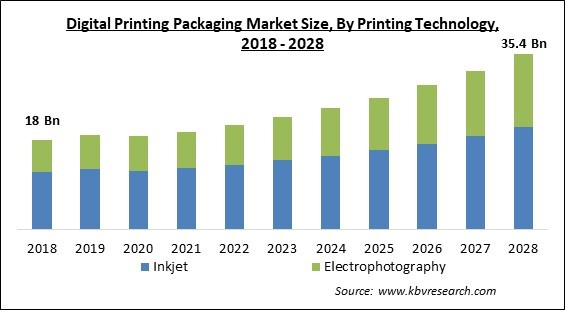


The packaging industry has experienced a profound transformation with the advent of digital printing. This article will look into the latest trends in digital packaging printing and their profound impact on the industry. These trends are reshaping the landscape of packaging production, enabling businesses to meet the increasing demand for personalized packaging solutions and sustainable practices. By understanding these trends, we can gain valuable insights into the transformative power of digital printing in the packaging world and how it is revolutionizing the industry.
Rise of Personalized Packaging:
Personalized packaging has become increasingly popular among consumers. Creating unique, customized packaging designs allows brands to establish deeper connections with their customers. Digital packaging printing plays a pivotal role in facilitating the production of small-batch, customized packaging without the need for extensive setup or additional costs. This trend empowers businesses to create memorable packaging experiences tailored to their target audience, ultimately enhancing brand loyalty and customer engagement. It allows brands to stand out in a competitive market and deliver a personalized touch that resonates with consumers.
Sustainable Packaging Solutions:
In recent years, a growing concern for the environment has been growing, leading to an increased demand for sustainable packaging solutions. Digital printing technologies offer eco-friendly alternatives to traditional printing methods. Digital printing reduces material waste by enabling precise printing and eliminating the need for printing plates. Furthermore, digital printing allows on-demand production, reducing excess inventory and minimizing environmental impact. This trend aligns with the industry’s push for greener practices and satisfies the evolving preferences of environmentally conscious consumers. It allows brands to showcase their commitment to sustainability and attract eco-conscious customers.
Advanced Variable Data Printing:
Variable data printing (VDP) is a powerful feature of digital packaging printing that allows for customizing individual packages within a print run. This trend enables brands to incorporate personalized information, such as names or unique codes, into their packaging. VDP enhances product traceability, enables targeted marketing campaigns, and provides a more personalized experience for consumers. With advancements in digital printing technology, variable data printing has become more efficient, accurate, and cost-effective, making it a valuable tool for brand differentiation. It enables brands to create packaging that speaks directly to individual customers, making them feel valued and enhancing their overall brand experience.
Interactive Packaging:
Interactive packaging has emerged as a trend that captivates consumers and enhances brand experiences. Technologies such as QR codes, augmented reality (AR), and near-field communication (NFC) are integrated into packaging designs, creating interactive and engaging consumer experiences. These technologies allow brands to provide additional information, product demonstrations, or even gamification directly through the packaging. Interactive packaging differentiates brands and fosters consumer curiosity and brand loyalty. It creates an immersive experience beyond the physical product and builds a deeper connection between the brand and the consumer.
Integration of Smart Packaging:
Smart packaging combines digital technologies with packaging materials to provide additional functionalities. This includes features like temperature sensors, freshness indicators, or anti-counterfeiting measures. Digital printing enables the seamless integration of smart features into packaging designs. By incorporating smart packaging, brands can enhance product safety, improve supply chain visibility, and deliver real-time information to consumers. This trend opens up new opportunities for product innovation and provides added value to consumers. It allows brands to offer enhanced functionality and convenience, making their packaging more than just a container but a smart solution that meets customer needs.
Shorter Turnaround Times:
Digital printing offers faster turnaround times compared to traditional printing methods. This trend is particularly beneficial for brands that require quick product launches or have seasonal packaging needs. With digital printing, the design-to-production process is streamlined, eliminating the need for lengthy setup times. The ability to produce packaging on-demand allows businesses to respond rapidly to market demands, reduce lead times, and optimize inventory management. It provides flexibility and agility, allowing brands to adapt quickly to changing market trends and consumer demands. Shorter turnaround times enable brands to stay competitive in a fast-paced industry.
Enhanced Print Quality:
Advancements in digital printing technology have significantly improved print quality in the packaging industry. High-resolution printing, color accuracy, and sharp details can now be achieved with digital printing. This trend ensures that packaging designs are faithfully reproduced, allowing brands to showcase their products in the best possible light. Enhanced print quality enhances the visual appeal of packaging and contributes to a more professional and premium brand image. It allows brands to create visually stunning packaging, captivating consumers and conveying a sense of quality and attention to detail.
Cost-Effective Short-Run Production:
Digital printing offers cost advantages for short-run production compared to traditional printing methods. With traditional printing, producing small packages can be costly due to setup expenses. It eliminates the need for printing plates, reducing setup costs and enabling cost-effective short-run production. This trend benefits small businesses and startups that require smaller packaging quantities, allowing them to compete with larger brands regarding packaging quality and customization. It levels the playing field, allowing smaller players to create packaging that meets their specific needs without breaking the bank.
Seamless Workflow Integration:
Integrating digital printing into existing workflows has become more seamless with technological advancements. Digital printing systems can be integrated with design software, prepress processes, and production management systems. This trend improves workflow efficiency, reduces errors, and streamlines the end-to-end packaging production process. Seamless integration enables businesses to leverage the benefits of digital printing without disrupting their established processes, ensuring a smooth transition and optimized operations. It allows for a more streamlined and efficient production process, minimizing bottlenecks and maximizing productivity.
Rise of E-commerce Packaging:
The rapid growth of e-commerce has significantly impacted the packaging industry. As more people turn to online shopping, brands face the challenge of creating packaging that protects products during shipping and delivers a memorable unboxing experience. Digital printing enables brands to customize e-commerce packaging with branding elements, personalized messages, and interactive features. This trend ensures that the packaging serves its functional purpose and contributes to a positive and engaging customer experience. It allows brands to create a cohesive brand experience from when the package is delivered to when it is opened.
Integration of Augmented Reality:
Augmented reality (AR) is revolutionizing the way consumers interact with packaging. By integrating AR technology into packaging designs, brands can offer immersive and interactive experiences that bridge the physical and digital worlds. Consumers can scan the packaging using their smartphones or tablets and access additional content, such as 3D product visualizations, instructional videos, or virtual try-on experiences. This trend adds a fun and engaging element to the packaging, provides valuable information, and enhances the overall brand experience. It allows consumers to explore products in a virtual space, making informed purchasing decisions and deepening their engagement with the brand.
Conclusion:
Digital printing has ushered in a new era of possibilities and trends in the packaging industry. From personalized packaging to sustainable solutions, the digital transition has revolutionized how packaging is designed, produced, and experienced. These trends allow businesses to create unique, engaging packaging experiences while meeting the demands of environmentally conscious consumers. By embracing these trends, brands can enhance their market presence, drive customer loyalty, and contribute to a more sustainable future. As digital printing technology advances, we can expect even more exciting trends to shape the future of digital printing. The transformative power of packaging printing is evident, reshaping the industry in profound and innovative ways. The future of packaging is digital, and businesses that embrace these trends will be well-positioned to thrive in the ever-evolving marketplace.


