


The world of furniture manufacturing is undergoing a revolution, and at the heart of this transformation is a technology that’s been around for decades but is now taking center stage: CNC milling. Picture this: a machine that can carve wood with the precision of a surgeon, creating furniture that’s not just sturdy and stylish but also customized to your needs and choices. Gone are the days of settling for mass-produced pieces that don’t quite fit your space or match your taste. With CNC milling, you can have furniture as unique as you are, from complex designs that reflect your creativity to personalized touches that make your home feel truly yours. However, By automating the manufacturing process, CNC milling reduces waste and production time, producing more eco-friendly furniture. With the ability to create customized pieces, CNC milling helps lessen the need for mass production, further minimizing environmental impact. The addition of CNC Milling in furniture manufacturing means you can now have the furniture you’ve always dreamed of: beautiful, functional, and made to your exact specifications.
This article will detail the advantages of CNC milling in Furniture manufacturing and its application.
Advantages of CNC Milling for Furniture Manufacturing
Traditional furniture manufacturing methods often involve manual woodworking techniques, which can be time-consuming, labor-intensive, and prone to human error. These methods often struggle to achieve consistent precision and intricate details. That is where CNC Milling comes in. When we compare it to the traditional techniques, the advantages come into light even more.
CNC milling offers several significant advantages over traditional methods:
Precision and Accuracy of CNC-Milled Furniture
-
CNC Milling for Precision Furniture Production
CNC milling machines have high-precision spindles that can rotate up to 24,000 RPM, allowing them to remove material easily. To further enhance precision, CNC machines often incorporate laser calibration systems and sophisticated tooling that automatically compensate for tool wear and tear, ensuring consistent accuracy throughout the milling process. This leads CNC milling machines to operate with computer-controlled precision, eliminating the inconsistencies and human error associated with traditional methods.
-
Benefits of Precision for Furniture Quality
Precision is crucial for furniture quality, ensuring consistent dimensions, accurate joints, and perfect assembly. Precise furniture pieces fit together perfectly, creating a sturdy and stylish final product.
-
CNC-Milled vs. Traditionally Manufactured Furniture
CNC-milled furniture consistently exceeds the precision of traditionally manufactured pieces, offering superior quality, durability, and visual appeal.
Customization and Design Possibilities with CNC Milling
-
Limitless Design Possibilities
Advanced CNC machines incorporate five-axis milling capabilities, enabling them to move along three axes (X, Y, Z) and rotate around two additional axes (A and B), creating complex curves and three-dimensional designs. Such Mill machines perfectly integrate with Computer-Aided Design (CAD) and Computer-Aided Manufacturing (CAM) software, allowing designers to translate their digital creations into physical objects precisely. In short, CNC milling breaks free from the limitations of traditional methods, opening up a world of design possibilities.
-
Intricate Designs, Curves, and Complex Shapes
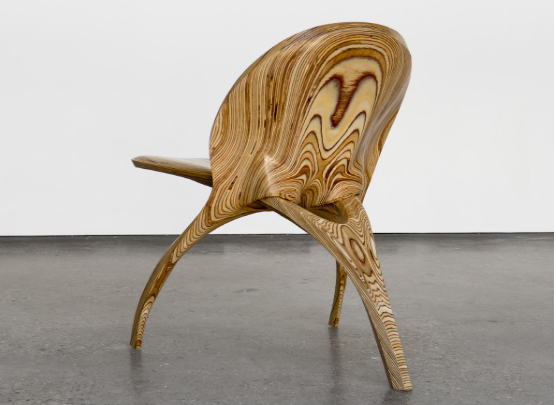
CNC milling can create complicated designs, complex curves, and intricate patterns that would be challenging or impossible to achieve with hand tools. Mill Machine can effortlessly create curved furniture pieces, such as chairs with flowing backs or tables with undulating edges, with no limitations of traditional woodworking techniques.
Figure: Complex Shape made by CNC Milling
-
Personalized and Customized Furniture
CNC milling allows the creation of personalized and customized furniture pieces tailored to individual preferences and design styles. It allows adding customised design elements, such as engraved names, initials, or custom patterns, adding a touch of individuality to furniture pieces.
Efficiency and Productivity Gains from CNC Milling
-
Efficiency and Productivity Improvements
CNC Mill machines incorporate automated tool changers, get rid of the need for manual tool changes, reducing downtime, and maintaining consistent cutting speeds. CNC milling automates manufacturing, facilitating production and significantly reducing time and material consumption.
-
Reduced Material Waste
CNC software’s nesting algorithms optimize cutting patterns to minimize the raw material required for each piece of furniture. CNC mill machines cut the required shape from the workpiece, reducing material waste and maximizing resource efficiency.
-
Impact on Overall Manufacturing Costs
CNC milling automates many tasks that traditionally need manual labour, reducing labor costs and increases productivity. Moreover, The precise cutting capabilities of CNC milling minimize material waste, reducing material costs and optimizing resource utilization. The efficiency and material savings achieved through CNC milling reduce overall manufacturing costs.
Applications of CNC Milling in Furniture Manufacturing
CNC milling has transformed furniture manufacturing by allowing the making of a variety of furniture styles, from modern designs and sleek to timeless classics. Its versatility extends to producing diverse furniture pieces, catering to various home décor preferences and functional needs.
Diversity of CNC-Milled Furniture Products
CNC milling is compatible with various materials, including wood, metal, plastics, and composites, creating diverse furniture pieces with unique aesthetics and properties.
Chairs, Tables, Cabinets, and More
CNC milling produces various furniture pieces, including chairs, tables, cabinets, shelves, beds, and decorative accents. For example, CNC-milled tables can feature intricate inlay work, smooth curves, and precise dimensions, adding elegance and functionality to any living space. Also, CNC milling allows the creation of beds with elaborate headboards, customized sizes, and integrated storage solutions, offering both comfort and functionality.
Figure: Table Made with CNC Milling
Specialty Furniture Manufacturing
CNC milling is increasingly used to create speciality furniture items, such as musical instruments, architectural woodwork, and unique custom designs. For example, CNC milling can produce precise and intricate components for musical instruments, such as guitars, violins, and drums, ensuring exceptional sound quality and craftsmanship. Moreover, CNC milling creates intricate architectural woodwork, including mouldings, trims, and decorative panels, adding a touch of elegance and sophistication to buildings.
CNC milling has revolutionized furniture manufacturing by allowing the creation of a diverse range of furniture styles. Furniture designers and manufacturers find CNC machines valuable due to their technical versatility, compatibility with various materials, and ability to produce standard and custom furniture products. As technology advances, CNC milling will undoubtedly play an even more prominent role in shaping the future of furniture design and production.
Examples of CNC Milling Machines: Shaping the Future of Furniture Design and Production
Here are some examples of specific CNC milling machines that are used in furniture manufacturing
5-Axis CNC Milling Machines:
- Haas Automation VF-7/9: This versatile 5-axis CNC milling machine is widely used in furniture manufacturing due to its precision, speed, and ability to handle complex shapes. It is ideal for producing intricate carvings, curved furniture, and complex design elements.
- Mazak Variaxis i-800: This high-performance 5-axis CNC milling machine offers exceptional precision and speed, making it suitable for demanding furniture applications. It can produce precise, intricate details, even on large, complex furniture pieces.
Figure: Mazak Variaxis i-800
- DMG Mori CLX 450: This versatile 5-axis CNC milling machine is known for its rigidity and stability, making it ideal for roughing and finishing operations on various materials. It is well-suited for producing large and small furniture pieces with complex shapes.
3-Axis CNC Milling Machines:
- ShopBot PRSalpha: This user-friendly 3-axis CNC milling machine is famous for woodworking shops and small-scale furniture manufacturers. It is easy to operate and offers a good balance of precision, speed, and affordability.
- Laguna CNC Nova 2×4: This robust 3-axis CNC milling machine is designed for heavy-duty applications, making it suitable for producing large furniture and durable components. It is known for its high-power spindle and rigid construction.
- Omax 8126 5′ x 10′ CNC Router: This versatile 3-axis CNC milling machine can cut various materials, including wood, plastics, and metals. It is a good choice for furniture manufacturers who need a universal device for cutting and engraving different materials.
These are just a few examples of the many CNC milling machines used in furniture manufacturing. The specific device chosen will depend on the size and complexity of the furniture pieces being produced, the materials being used, and the manufacturer’s budget.
Future Trends and Advancements in CNC-Milled Furniture
The furniture manufacturing industry is continuously transforming, driven by the evolving CNC-milling technology. This technology has enhanced precision, speed, and automation capabilities in furniture production, paving the way for innovative designs, sustainable manufacturing practices, and mass customization.
Advancements in CNC-Milling Technology
High-precision spindles have increased rotational speeds to up to 30,000 RPM, leading to faster and more accurate machining of intricate details. Advanced CNC machines have multi-axis milling capabilities, expanding design possibilities and making it possible to create complex shapes and three-dimensional designs. With adaptive machining technology, CNC machines can adjust cutting parameters in real-time based on material variations and tool wear, ensuring consistent quality and reducing material waste. CNC-milling technology constantly evolves and provides increased precision, speed, and automation capabilities.
Automation and Integration in Furniture Production
Automated tool changers eliminate the need for manual tool changes, resulting in reduced downtime, consistent cutting speeds, and optimized production flow. CNC milling machines can be integrated with robotic arms, automating material handling, part positioning, and post-processing tasks, further simplifying production and reducing labour costs. By incorporating automated quality control systems, such as laser scanning and machine vision technology, into CNC milling processes, the consistent quality of the product can be ensured, and the risk of defects can be reduced. Automation and integration of CNC milling into furniture production processes can significantly streamline manufacturing and enhance efficiency.
Impact on Furniture Industry and Design Landscape
CNC milling technology offers furniture designers the precision and flexibility to explore unique and innovative designs that were once unachievable. With CNC milling, furniture pieces can be mass-customized to meet individual preferences, tastes, and specific requirements, transforming the furniture industry from mass production to personalized solutions. In addition, CNC milling’s efficient and material-optimizing capabilities contribute to sustainable manufacturing practices by minimizing waste, reducing environmental impact, and promoting resource conservation. As CNC milling technology advances, it will continue revolutionizing the furniture industry, enabling innovative designs, mass customization, and sustainable manufacturing practices.
Some Suggestions on – Prioritizing Quality: Material Selection and Proper Machining Techniques
Here are some suggestions on using CNC milling for furniture:
Choose the Right CNC Milling Machine
- Consider the size and complexity of the furniture pieces you plan to produce.
- Evaluate the materials you will be using, as some CNC milling machines are better suited for specific materials than others.
- Assess your budget and the features that are most important to you.
Design with Precision:
- Utilize CAD software to create detailed and precise designs for your furniture pieces.
- Ensure that your designs are compatible with the capabilities of your CNC milling machine.
- Consider the functionality and style of the furniture pieces, taking into account factors such as ergonomics, proportions, and style.
Optimize Toolpaths for Efficiency:
- Utilize CAM software to generate efficient toolpaths for your CNC milling machine.
- Reduce unnecessary tool changes and optimize tool movements to reduce machining time.
- Consider nesting techniques to maximize material utilization and reduce waste.
Prioritize Material Selection:
- Select high-quality materials that are suitable for CNC milling.
- Consider factors such as grain patterns, strength, and durability when choosing materials.
- Assure that the materials are properly prepared and dimensioned before machining.
Employ Proper Machining Techniques
- Use appropriate cutting speeds, feeds, and depths of cut for the materials you are using.
- Monitor the machining process closely to ensure that the machine is operating properly.
- Make adjustments to the toolpaths or machining parameters as needed to achieve optimal results.
Embrace Automation and Integration:
- Use automated tool changers to reduce downtime and improve efficiency.
- Consider integrating robotic arms for material handling and post-processing tasks.
- Implement automated quality control systems to ensure consistent product quality.
Explore Innovative Designs and Customization:
- Use the precision and flexibility of CNC milling to create innovative and unique furniture designs.
- Offer mass customization options to cater to individual preferences and specific requirements.
- Explore new materials and design concepts to push the boundaries of furniture design.
Promote Sustainable Manufacturing Practices:
- Minimize material waste through efficient toolpaths and nesting techniques.
- Recycle and reuse scrap materials whenever possible.
- Consider theimpact on environemnet of the materials you use and the manufacturing processes you employ.
Continuously Learn and Adapt:
- Stay up-to-date with the latest advancements in CNC milling technology.
- Explore new techniques and applications to enhance your furniture production capabilities.
- Seek guidance from experienced CNC milling professionals and furniture makers.
In Conclusion: CNC milling is a revolutionary technology transforming furniture manufacturing, offering precision, efficiency, and design flexibility. By embracing CNC milling, furniture manufacturers can produce high-quality, customized furniture while minimizing waste and environmental impact. With its continuous evolution, CNC milling will continue to shape the future of furniture design and manufacturing, empowering creativity and sustainable practices.
