


Stroke is a debilitating medical condition that occurs when the blood supply to the brain is disrupted, leading to brain cell damage and loss of function. Stroke rehabilitation is a crucial process aimed at helping stroke survivors regain their independence and improve their quality of life. Various therapies play a pivotal role in stroke rehabilitation, targeting different aspects of physical, cognitive, and emotional recovery. In this article, we will explore six effective therapies commonly used in stroke rehabilitation.
Physical Therapy
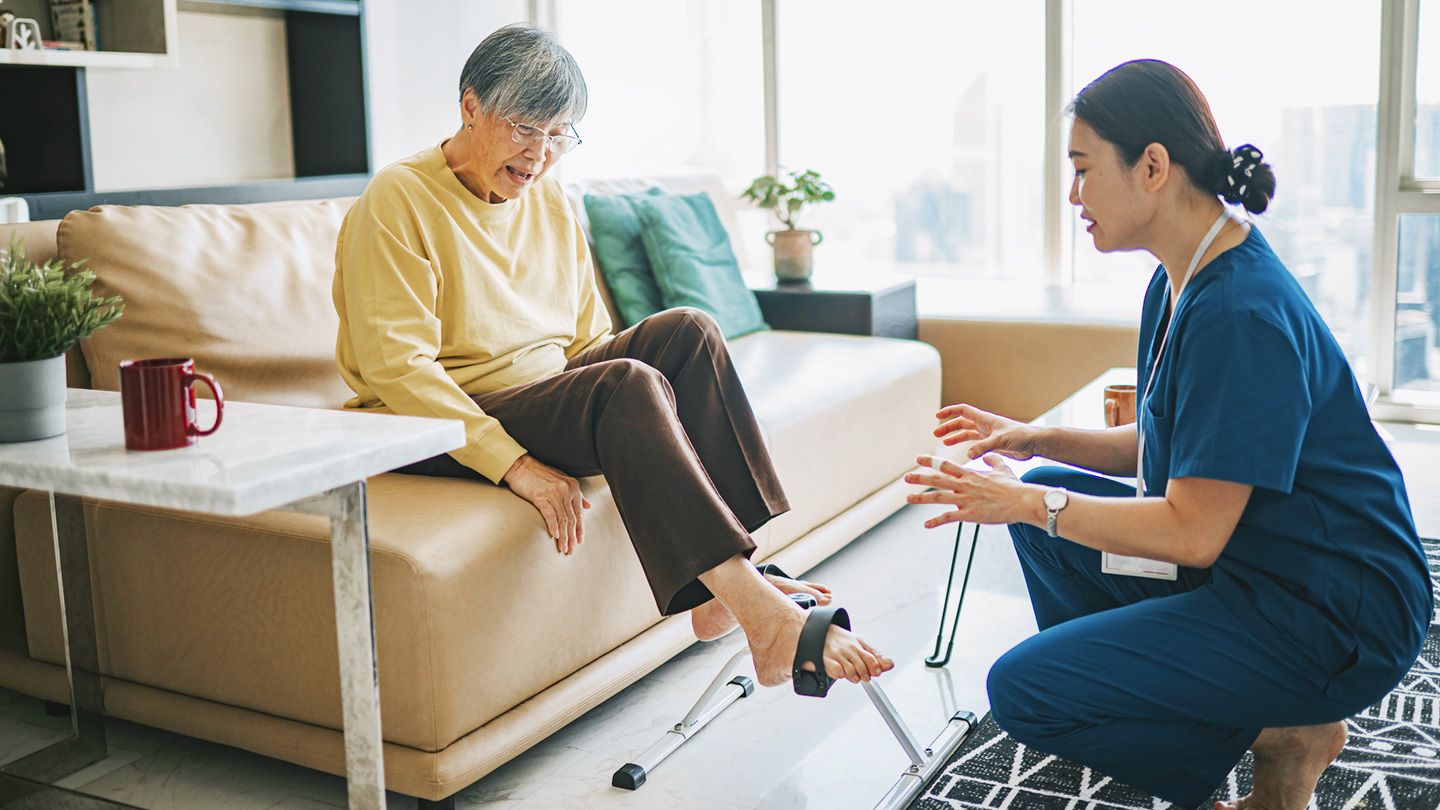
Physical therapy is a cornerstone of stroke rehabilitation. It focuses on restoring mobility, balance, and strength through targeted exercises and activities. An Idaho Falls physical therapy designs a personalized plan to address specific impairments, such as muscle weakness or paralysis. Techniques like range-of-motion exercises, gait training, and functional movements help stroke survivors regain control over their body and relearn essential skills for daily activities.
Occupational Therapy
Occupational therapy aims to enable stroke survivors to perform daily tasks and participate in meaningful activities. Occupational therapists assess cognitive and physical abilities to identify challenges and develop strategies for overcoming them. They may recommend adaptive devices and modifications to the environment to enhance independence. This therapy encompasses activities like dressing, grooming, cooking, and using assistive technology, fostering self-confidence and functional autonomy.
Speech and Language Therapy
Stroke can often result in communication difficulties, including speech and language impairments. Speech and language therapy focuses on improving these areas. Speech-language pathologists work with stroke survivors to address speech articulation, language comprehension and expression, and swallowing problems. Techniques may involve exercises to strengthen oral muscles, cognitive exercises to enhance language skills, and the use of augmentative and alternative communication devices to facilitate effective communication.
Cognitive Rehabilitation
Cognitive impairments are common after a stroke, affecting memory, attention, problem-solving, and other cognitive functions. Cognitive rehabilitation aims to restore and compensate for these deficits. Therapists employ various techniques, including memory exercises, attention training, and problem-solving activities, to improve cognitive abilities. The goal is to enhance cognitive skills, promote independence, and enable stroke survivors to adapt to their new cognitive realities effectively.
Music Therapy
Music therapy is an innovative approach that utilizes music and rhythm to facilitate stroke recovery. Research has shown that engaging in music-related activities can improve motor coordination, language skills, and emotional well-being. Music therapists use instruments, singing, and rhythmic exercises to enhance movement, speech, and emotional expression. This therapy provides a creative and enjoyable way for stroke survivors to work on their rehabilitation goals while experiencing the positive effects of music.
Emotional Support and Counseling
Emotional well-being plays a crucial role in stroke recovery. Stroke survivors often experience a range of emotions, including frustration, sadness, anxiety, and depression. Emotional support and counseling help individuals navigate these emotional challenges. Mental health professionals offer counseling services to address psychological issues and help stroke survivors develop coping strategies. Group therapy sessions also provide opportunities for individuals to connect with others who have had similar experiences, fostering a sense of belonging and support.
Hyperbaric Oxygen Therapy
Hyperbaric oxygen therapy (HBOT) is an adjunctive therapy that involves breathing pure oxygen in a pressurized chamber. It has gained recognition as a potential treatment for stroke rehabilitation. During HBOT, the increased atmospheric pressure allows a higher concentration of oxygen to dissolve in the bloodstream, leading to enhanced oxygen delivery to the brain.
Hyperbaric chamber therapy has several potential benefits for stroke survivors. The increased oxygen levels promote the formation of new blood vessels, a process known as angiogenesis, which can improve blood flow to damaged areas of the brain. Additionally, HBOT may reduce brain swelling, minimize inflammation, and enhance the brain’s ability to repair and regenerate.
Rehabilitation
In conclusion, stroke rehabilitation involves a multidisciplinary approach to address the physical, cognitive, and emotional challenges faced by survivors. These therapies are all valuable components of a comprehensive rehabilitation program. These therapies work in synergy to promote recovery, restore function, and enhance the overall well-being of stroke survivors. Through the dedication of healthcare professionals and the determination of stroke survivors, rehabilitation can significantly improve outcomes and help individuals regain independence and live fulfilling lives after stroke.
