


It’s no secret that regenerative medicine – the branch of healthcare focused on repairing, replacing, or growing damaged tissues and organs – has revolutionized our understanding of how the human body works and our ability to treat it. But what do we know about tissue engineering – designing artificial tissues to replicate natural ones? How does this emerging technology play a role in advancing and improving current treatments for conditions such as organ failure, blindness, spinal cord injury, diabetes, heart disease, and more? Johanna Altman looks into the role of tissue engineering in regenerative medicine. This will give a better idea of how this innovative field is helping us innovate new ways to improve patient care.
Overview of Tissue Engineering in Regenerative Medicine
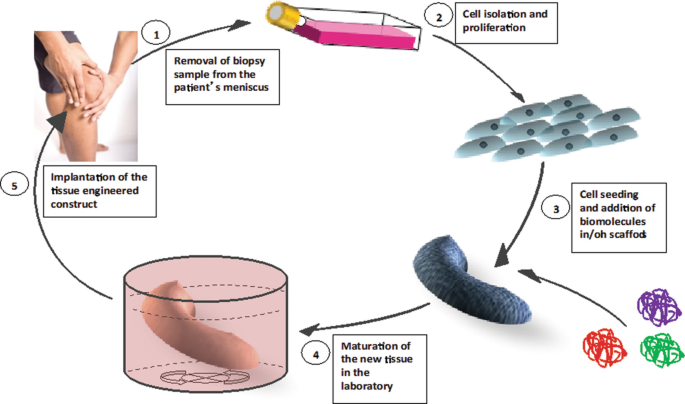
The field of regenerative medicine has made strides in recent years; one of the most promising areas is tissue engineering. Tissue engineering involves creating biological substitutes to replace damaged or diseased tissue using a combination of cells, biomaterials, and growth factors. This approach has huge potential to revolutionize the treatment of medical conditions, including organ failure, tissue damage, and bone/cartilage defects. Using the patient’s cells minimizes the risk of rejection and allows for the regeneration of functional tissues. Despite progress, much work is still needed to make this technology clinically viable. However, the possibilities of this field are truly exciting, and there is no doubt that tissue engineering will play a role in regenerative medicine.
The Different Components of Tissue Engineering and Its Benefits
Tissue engineering is an exciting field that combines biology, engineering, and medicine. It creates new tissues and organs. There are several components to tissue engineering, including scaffolds, cells, and growth factors. Johanna Sicat Altman suggests that tissue engineering has enormous potential for medical and business applications. With the increasing demand for organ transplants and the limited availability of donor organs, tissue engineering has the potential to revolutionize the field of medicine by producing functional and viable tissues and organs. Additionally, tissue engineering can also have significant economic benefits. By reducing healthcare costs associated with traditional organ transplants and creating new revenue streams for companies involved in tissue engineering, this emerging field has become profitable for businesses.
Technologies Used in Tissue Engineering
Tissue engineering is a developing field that has the potential to revolutionize medical treatments. In this field, researchers utilize various technologies to create functional human tissue, including three-dimensional printing, biomaterials, and stem cells. Using these cutting-edge technologies, tissue engineers can create tissues that closely resemble the ones found in the human body, leading to better patient outcomes. Through tissue engineering, doctors may one day be able to repair damaged organs and tissues, replace missing ones, and even grow entire organs from scratch. As the field advances, it holds promise for health and well-being improvement.
How Tissue Engineering is Improving Regenerative Medicine
In regenerative medicine, research on tissue engineering has gained momentum in recent years for its potential to revolutionize how doctors approach tissue repair and organ replacement. Through tissue engineering, scientists aim to create lab-grown tissues or organs that mimic the form and function of natural ones, which can then be transplanted into a patient’s body. This approach offers several advantages over traditional transplant methods, such as reduced risk of organ rejection and the ability to produce tissues on demand. With advancements in technology and biology, tissue engineering is rapidly evolving. It could pave the way for a future where tissues and organs can be repaired or replaced with minimal risk and maximum success.
Examples of Successful Tissue Engineering Projects
Tissue engineering has immense potential for improving the quality of life for patients. Many successful tissue engineering projects have come to fruition, including developing skin substitutes for burn victims and new heart valves. In one example, scientists engineered a windpipe for a patient using their stem cells to grow the necessary tissue, resulting in a successful transplant. Another significant achievement was the creation of a bone graft made from a patient’s own bone marrow, eliminating the need for donor bone. These successful tissue engineering projects demonstrate the power of this field to transform modern medicine.
Potential Challenges and Limitations of Tissue Engineering
Tissue engineering is a field aiming to regenerate and repair tissues and organs. However, it is not without its drawback. The biggest challenge is the complexity of recreating natural tissues’ intricate structures and functions. Another challenge is the lack of suitable biomaterials that mimic biological tissues’ physical and chemical properties and promote cell growth and differentiation. Additionally, tissue engineering faces ethical and regulatory challenges, such as sourcing cells and tissues. Despite these challenges, tissue engineering holds immense potential for revolutionizing medicine and improving the quality of life for millions of people worldwide.
Final Thoughts
Tissue engineering is revolutionizing regenerative medicine by providing more efficient and effective treatments. Johanna Sicat Altman says that we can expect to see more development in technologies used for tissue engineering and a greater acceptance of its implementation to regenerate organs and tissues. We have already seen success stories via tissue engineering, such as repairing bladder tissue or growing new tracheal cartilage. Yet, challenges still exist for these novel treatments to become commonplace. There are safety concerns involved with transplanting dense cultured cells into a living organism and costs associated with developing and utilizing this technology. Nonetheless, our increased understanding of the potential benefits of tissue engineering has allowed for vast progress in its applications, ultimately leading us toward a renewed hope for regenerative treatments through this innovative technology.
