




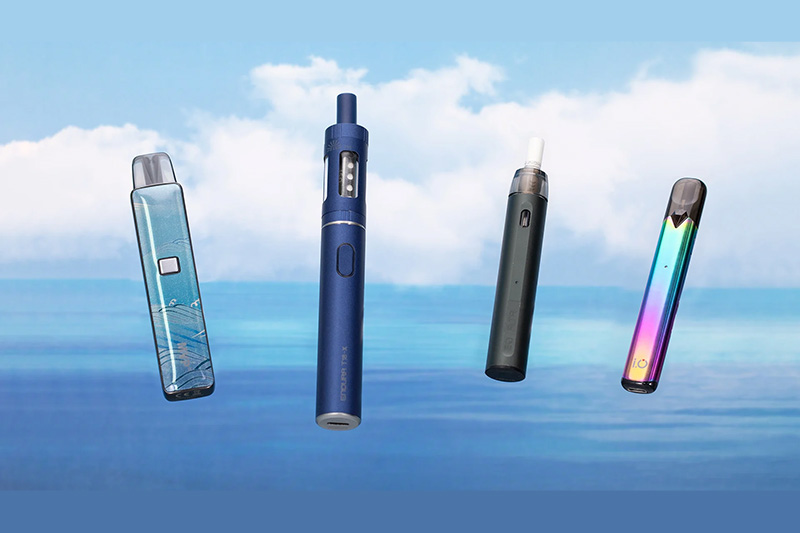


The vaping industry has experienced an unprecedented surge in popularity, with disposable vapes emerging as a convenient and accessible option for consumers. However, with this growth comes increased scrutiny and regulation. This article aims to provide a comprehensive guide to understanding and navigating disposable vape regulations, shedding light on the evolving landscape and ensuring businesses stay compliant.
The Current State of the Disposable Vape Market
As disposable vapes gain traction among consumers, regulatory bodies are intensifying their focus on this burgeoning market. The industry’s exponential growth has raised concerns about product safety, underage usage, and marketing practices. To maintain a sustainable and responsible market, understanding the current state of regulations is crucial.
Regulatory Framework for Disposable Vapes
Federal regulations play a significant role in shaping the landscape for disposable vapes. The Family Smoking Prevention and Tobacco Control Act, enforced by the FDA, sets the groundwork for compliance standards. Manufacturers must adhere to strict guidelines to ensure the safety and transparency of their products.
In addition to federal regulations, state-specific laws can pose challenges for businesses operating in multiple regions. Variations in regulations across states necessitate a careful examination of compliance requirements to avoid legal pitfalls.
Product Safety and Labeling Requirements
Ensuring the safety of disposable vape pens products is paramount. Manufacturers must meet quality control standards during the production process. Child-resistant packaging is a critical aspect of compliance, aimed at preventing accidental ingestion by children.
Transparent ingredient disclosure and clear labeling of health warnings are essential. Consumers have the right to know what they are inhaling, making ingredient transparency a key factor in building trust and complying with regulations.
Marketing and Advertising Restrictions
Regulations extend to the marketing and advertising of disposable vapes, particularly concerning the protection of minors. Restrictions on marketing to underage individuals and guidelines for online sales and advertising channels are in place to curb youth access.
Navigating social media promotion and influencer partnerships requires careful attention to compliance. Striking a balance between effective marketing and regulatory adherence is crucial for businesses looking to thrive in this dynamic industry.
Impact of Recent Developments on Disposable Vape Regulations
The regulatory landscape for disposable vapes is continually evolving. Recent developments, including legislative changes and industry responses, shape the environment for businesses. Case studies offer insights into how companies are adapting to these changes and what consequences may arise from non-compliance.
Compliance Challenges and Best Practices
Manufacturers and retailers often face challenges in navigating the complex web of regulations. From quality control issues to labeling requirements, staying compliant requires dedication and attention to detail. This section explores common challenges and provides strategies for maintaining adherence to regulations.
International Regulations and Trade Considerations
For businesses involved in international trade, understanding global regulations is crucial. Differences in regulations across borders can impact market access, making compliance with international standards a priority. This section explores the international landscape and offers insights into strategies for global market penetration.
Case Studies
Examining case studies provides real-world examples of companies successfully navigating and complying with disposable vape regulations. On the flip side, instances of non-compliance and their consequences underscore the importance of adhering to regulatory requirements.
Conclusion
The disposable vape industry is at a crossroads of growth and regulation. Navigating this landscape requires a thorough understanding of federal and state regulations, a commitment to product safety, and strategic marketing practices. By staying informed, businesses can not only survive but thrive in an industry that continues to evolve under the watchful eye of regulatory authorities. Compliance is not just a legal requirement; it is a pathway to building trust and ensuring the long-term sustainability of the disposable vape market.