





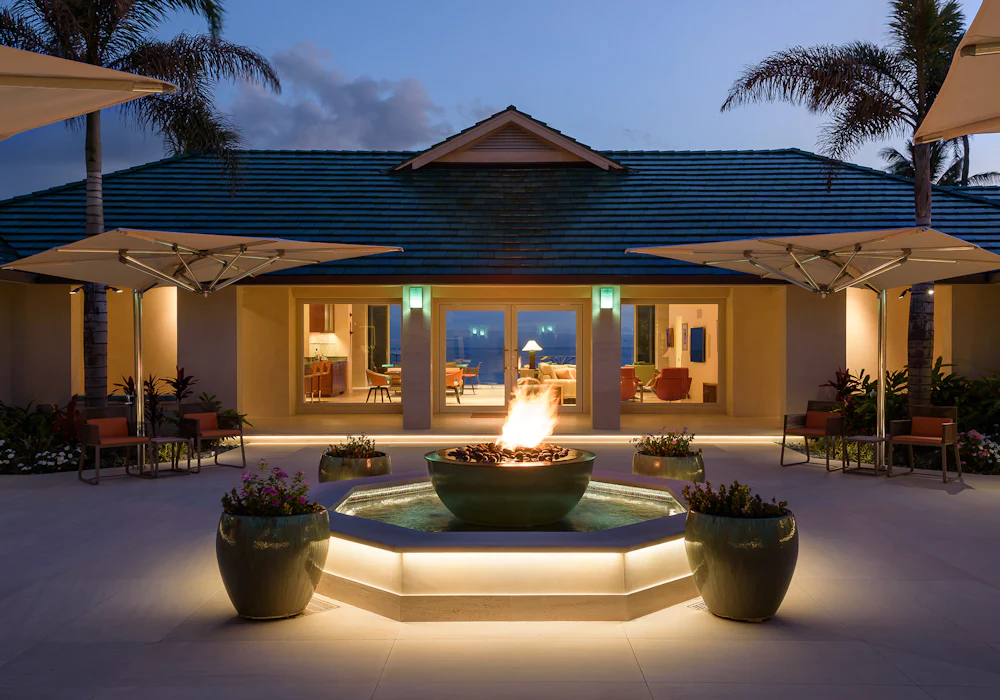


In the world of outdoor lighting, where creativity and utility meet the elements, a vital issue that may make or break the performance and lifetime of lighting solutions is IP ratings. Ingress Protection (IP) ratings, an internationally recognized standard, are critical in determining the level of protection offered by outdoor lighting fixtures against solids and liquids. The importance of these ratings cannot be emphasized in an era when outdoor lighting systems are getting increasingly complex. This article delves into the relevance of IP classifications for outdoor lighting, detailing how they guard against environmental threats, ensure safety, and keep outside places aesthetically beautiful and functional.
Understanding IP Ratings
A two-digit alphanumeric code called an IP rating also called an International Protection rating or an Ingress Protection rating, provides information about how well-resilient a product is to environmental factors. Protection against solid particles is denoted by the first digit, and protection against liquids is denoted by the second digit. The IP waterproof ratings guarantee consistency in communication within industries, enabling producers, installers, and customers to decide whether a product is appropriate for a certain environment.
The First Digit: Protection Against Solids
The first digit of an IP rating, which runs from 0 to 6, indicates how well a device is protected from solid particles. An IP0X certification indicates no special protection against solids at the low end of the spectrum, making the fixture susceptible to dust, sand, and debris. On the other hand, the fixture is suited for situations with high particle presence thanks to a strong IP6X classification that offers total protection against dust and foreign objects.
Outdoor lighting fixtures, often exposed to varying degrees of wind-blown dust, pollen, and other particles, require adequate protection to prevent internal clogging and damage. The accumulation of particulate matter can compromise the fixture’s functionality and aesthetics, leading to reduced illumination and impaired performance over time. Opting for fixtures with higher first-digit ratings ensures that the internal components remain unencumbered by unwanted particles, thus prolonging the fixture’s lifespan and maintaining optimal performance.
The Second Digit: Protection Against Liquids
The second digit in an IP rating, ranging from 0 to 9, gauges the fixture’s safeguarding capabilities against liquids such as rain, moisture, and even water jets. An IPX0 rating suggests a lack of specific liquid protection, rendering the fixture susceptible to moisture ingress. Conversely, an IPX9 rating signifies the fixture’s ability to withstand high-pressure and high-temperature water jets, making it ideal for environments demanding extreme liquid protection.
Outdoor lighting fixtures often face rain, humidity, and other forms of moisture that can infiltrate internal components. Without proper protection, these conditions can lead to corrosion, electrical hazards, and compromised performance. Lighting systems with inadequate liquid protection might experience flickering, reduced brightness, or even complete malfunction. In outdoor settings, where safety is paramount, fixtures with higher second-digit ratings prove essential to ensure consistent and secure illumination.
Significance Of IP Ratings In Outdoor Lighting
The following details highlight why IP ratings are so crucial for outdoor lighting.
- Enhanced Longevity And Durability
Outdoor lighting components are exposed to a wide variety of severe environmental factors, such as sweltering heat from the sun and heavy downpours. Without the appropriate protection, these elements might cause early failure as well as material degradation, electrical faults, and other problems. Having a high IP rating protects against these problems, ensuring that lighting solutions continue to be functional and reliable over time. This results in a reduction in the expenses associated with replacement and maintenance.
- Safety Beyond Aesthetics
No doubt adding outdoor lighting can improve the aesthetic appeal of areas, but safety should never be sacrificed for aesthetics. Inadequate IP ratings can result in electrical hazards caused by moisture infiltration, which poses a risk to both the users and the installation of the product. One may ensure that outdoor spaces continue to be beautifully illuminated while also maintaining a level of safety for all occupants by making investments in lights that have proper IP ratings.
- Consistent Performance In All Conditions
Inconsistencies in the lighting caused by the intrusion of moisture or particles can be a significant cause for worry in outdoor settings. Such problems can be mitigated with adequate IP protection, which guarantees that lighting fixtures will give consistent and reliable performance regardless of the external difficulties they face. Not only is consistent lighting necessary for maintaining a safe and appealing outdoor environment, but it is also crucial for sustaining aesthetic value.
- Sustainability And Energy Efficiency
It is more likely that outdoor lighting fixtures that have the appropriate IP ratings will maintain their energy efficiency throughout their lifespan. Malfunctions brought on by dust collection or water damage could lead to greater energy usage or perhaps the need for replacement sooner than expected. Fixtures with an IP rating guarantee that the original energy-efficient design will not be compromised.
- Meeting Regulatory Standards
There may be certain regulatory criteria that outdoor lighting fixtures are required to comply with, and these may vary according to the locale as well as the use. By selecting fittings that have the proper IP ratings, a person may ensure that they are by these regulations, avoiding any potential legal difficulties and making the installation procedure much simpler.
Choosing The Right IP Rating For Outdoor Lighting
Selecting the appropriate IP rating for outdoor lighting requires a nuanced approach. Factors such as geographical location, climate, and intended use all play a role in determining the ideal IP rating. Coastal areas, characterized by high humidity and the corrosive effects of saltwater, necessitate fixtures with robust liquid protection. Conversely, fixtures in arid regions might prioritize solid protection against sand and dust.
Additionally, considering the specific application of the lighting is crucial. High-traffic areas might benefit from fixtures with higher IP ratings to endure the wear and tear of frequent human interaction. Landscape lighting, designed to enhance outdoor aesthetics, should also have sufficient protection to ensure both beauty and functionality.
Conclusion
Outdoor lighting stands as a testament to the union of aesthetics and functionality, merging the art of illumination with the science of engineering. In this dynamic context, where innovation meets nature’s challenges, IP ratings emerge as the unsung heroes that determine the fate of lighting solutions. These ratings, meticulously designed to encapsulate protection against solids and liquids, play a vital role in ensuring the longevity, safety, and performance of outdoor lighting fixtures.


