





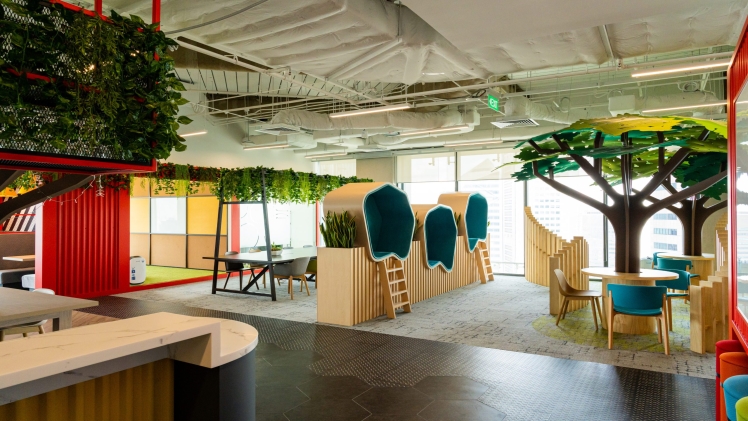


The world of digital art is rapidly expanding, and the demand for talented digital artists is higher than ever. These artists use specialized software to create stunning visual designs for various industries, including gaming, animation, advertising, and product design. However, the process of creating digital art is complex and time-consuming, requiring a lot of creativity, focus, and attention to detail. Therefore, the design of a workspace can have a significant impact on the productivity and creativity of digital artists. In this article, we will explore the impact of workspace design on creativity and productivity for digital artists.
Workspace design goes beyond aesthetics and affects the way we work, think, and feel. As digital artists spend long hours sitting in front of a computer, the workspace’s ergonomics, lighting, temperature, and noise level can significantly impact their health and well-being. Furthermore, a poorly designed workspace can hinder their creativity and productivity, leading to burnout and low job satisfaction. Therefore, it is crucial to create a workspace that fosters creativity, innovation, and productivity.
Ergonomics
Ergonomics in a workspace refers to the design and arrangement of furniture and equipment to ensure maximum comfort, safety, and efficiency. For digital artists, this means having a comfortable chair, desk, and computer setup that supports their posture and reduces the risk of repetitive strain injuries. Additionally, the monitor should be at eye level to prevent neck and eye strain. A well-designed workspace that promotes good ergonomics can help digital artists work longer and more comfortably, increasing productivity.
Lighting
Lighting is another essential factor in workspace design. The right lighting can improve mood, reduce eye strain, and enhance visual clarity, making it easier to work on detailed digital designs for extended periods. Natural light is ideal, but if that is not possible, a combination of ambient and task lighting can be used to create a comfortable and productive workspace. A workspace with poor lighting can cause eye strain, headaches, and reduce energy levels, leading to decreased productivity.
Temperature and Air Quality
The temperature and air quality in a workspace can affect the health, comfort, and productivity of digital artists. High temperatures can cause fatigue, dehydration, and reduce cognitive function, while low temperatures can cause discomfort and distract from work. Proper air quality, including temperature, humidity, and ventilation, can improve cognitive function, reduce sick days, and increase productivity. Therefore, a well-designed workspace should have a comfortable temperature and good air quality to create an ideal environment for digital artists to work.
Noise Level
Noise is a standard distraction in a workspace, and it can significantly impact the concentration and productivity of digital artists. Therefore, creating a quiet environment for these artists to work in is crucial. Noise-canceling headphones can help to block out unwanted noise, but a well-designed workspace should also have acoustic insulation, sound-absorbing materials, and quiet equipment to minimize distractions.
Collaboration Spaces
Collaboration spaces are areas within a workspace where digital artists can work together, share ideas, and brainstorm. These spaces are essential for promoting collaboration, creativity, and innovation, and they can help digital artists to develop new skills, learn from each other, and work more effectively as a team. Collaboration spaces can include meeting rooms, shared workspaces, and break areas where artists can relax and socialize.
Personalization
Personalization is another crucial factor in workspace design. Digital artists spend a lot of time in their workspaces, and it is essential to create a space that reflects their personalities and preferences. Personalization can include artwork, decor, and furniture that reflects the artist’s taste and style. This can help create a sense of ownership and pride in the workspace, which can improve motivation and job satisfaction.
Technology and Equipment
Digital art requires specialized software and equipment, and it is essential to have the right tools to create high-quality work. Therefore, a well-designed workspace for digital artists should include the latest technology and equipment, such as powerful computers, graphic tablets, and high-quality monitors. The right equipment can improve the quality and efficiency of the work, leading to increased productivity and creativity.
Flexibility
Flexibility is crucial in workspace design, especially for digital artists who may need to work on different projects with varying requirements. Therefore, a well-designed workspace should be flexible and adaptable, allowing for layout, equipment, and lighting changes. This helps create a comfortable and productive environment that meets the needs of the artist and the project they are working on.
Conclusion
In conclusion, workspace design plays a crucial role in enabling digital artists to perform at their best. A well-designed workspace should prioritize ergonomics, lighting, temperature, noise level, collaboration spaces, personalization, technology, and flexibility. By creating a workspace that fosters creativity, innovation, and productivity, digital artists can produce high-quality work, meet deadlines, and achieve job satisfaction. As the demand for digital art continues to grow, workspace design will become an increasingly important factor in enabling artists to succeed in this exciting and dynamic field.


