



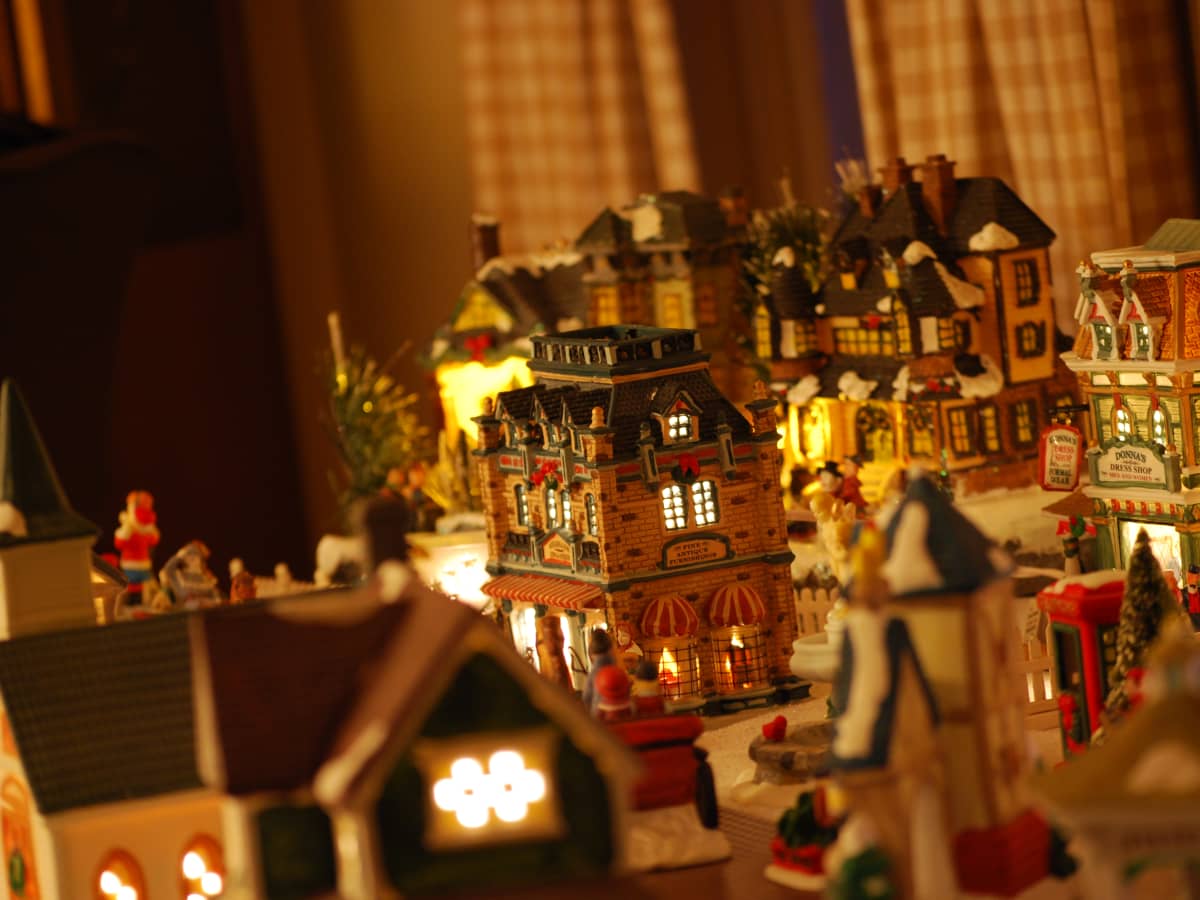


Christmas village sets have become an integral part of the holiday season, adorning countless homes, shopping centers, and public spaces with enchanting scenes. These miniature winter wonderlands evoke nostalgia, warmth, and the holiday spirit. But where did these intricate displays originate, and how have they evolved? Let’s delve into the history and evolution of Christmas village sets.
Origins of Christmas Village Displays
The roots of the modern Christmas village set can be traced back to the early 19th century in Germany. The tradition of creating miniature villages for Christmas celebrations gained popularity among German families. These initial displays featured small houses, figurines, and accessories, often handcrafted. One of the earliest examples was the “putz,” a nativity scene incorporating surrounding village scenery. Elevate your decorations by purchasing Christmas village sets from Holyart!
The Evolution of Christmas Village Sets
Transition to America:
The mid-1800s witnessed a significant shift as German immigrants brought their holiday traditions, including the concept of Christmas villages, to America. However, the focus shifted from nativity scenes to creating charming winter villages with trains, figurines, and illuminated houses. These displays were known as “Christmas Gardens.”
Electricity and Illumination:
With the advent of electricity in the late 19th century, Christmas village sets took on a new dimension. Tiny light bulbs transformed the displays into mesmerizing nighttime scenes, captivating children and adults alike. The glow from these miniature houses added a magical ambiance to the holiday decor.
Department Store Displays:
The early 20th century saw the rise of Christmas village displays in department stores, becoming a significant attraction during the holiday season. These grandiose displays showcased the products and created a festive atmosphere that drew in shoppers and families.
Popularity Boom:
The 1950s and 1960s marked a significant boom in the popularity of Christmas village sets. Manufacturers began producing pre-made ceramic and plastic pieces, making it easier for families to set up their festive villages at home. Collectable brands like Department 56 emerged during this time, offering intricately detailed pieces that catered to various themes and eras.
Diversification of Themes:
As the demand for Christmas village sets grew, so did the variety of available themes. From traditional Alpine villages to Dickensian scenes, contemporary cityscapes, and even fictional realms, manufacturers started catering to various preferences. This diversification allowed collectors and enthusiasts to curate displays that resonated with their tastes and memories.
DIY and Crafting:
In recent decades, a resurgence of interest in handcrafted and DIY culture has influenced the Christmas village tradition. Many enthusiasts create their pieces from scratch, adding a personal touch to their displays. Online communities and tutorials have facilitated the exchange of ideas and techniques among crafting enthusiasts.
Conclusion
From their humble beginnings as handcrafted village scenes in Germany to the elaborate and diverse displays seen today, Christmas village sets have traversed a fascinating journey through history. As we continue to celebrate the holiday season, the tradition of Christmas village sets stands as a testament to the enduring magic of creating miniature worlds that bring joy and togetherness during this special time of the year.