





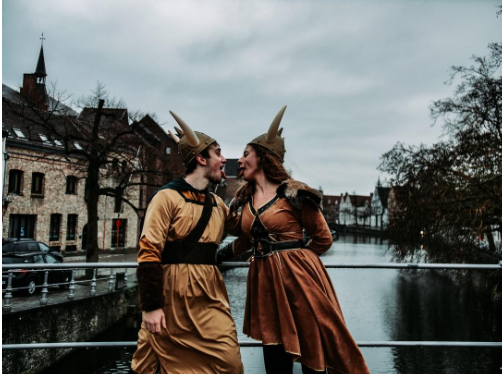


When we think of Vikings, images of fierce warriors wielding battle axes and raiding coastal villages come to mind. But there’s more to the Viking culture than just conquests and battles.
One fascinating aspect is their Viking clothing, which was not only functional but also reflected their social status and cultural beliefs. In this blog post, we’ll delve deeper into the world of Viking fashion.
So read on, and let’s go on an adventure through time to learn about the fascinating history of Viking clothing!
Viking Clothing and Wool
Viking clothing was primarily made from wool, which was abundant in Scandinavia. The Vikings were skilled at spinning and weaving fleece into various textiles suitable for different types of garments.
Woolen clothes provided warmth during the long winters in the region and were also water-resistant. This makes them ideal for seafaring expeditions.
Wool played an essential role not only in Viking clothes. It was also essential to their economy as they traded wool products with other civilizations across Europe. The wealth generated by the trade of wool allowed some powerful Viking families to rise above others in social status.
Vertical Loom and Tablet Weaving
The Vikings were known for their skill in creating textiles, and they used a variety of tools to produce high-quality fabrics. One such tool was the vertical loom. It allowed weavers to create larger pieces of fabric that wouldn’t be possible on a horizontal loom.
Vertical looms consisted of two upright poles. The poles held the warp threads taut while the weft thread was woven through them using a shuttle. This technique made it easier for Viking women to weave intricate patterns into their clothing and other textiles.
In addition to vertical looms, Vikings also used tablet weaving techniques. These were useful to create decorative borders on their garments. Tablet weaving involves twisting individual threads together with tablets or cards that have holes in each corner.
By turning these cards in different directions, Viking weavers could create complex patterns. These patterns added an extra layer of beauty and detail to their clothing.
These intricate designs often featured symbols or runes that had special meanings for the wearer. To get an idea of how they looked like, view this Viking dress.
Men Typically Wore a Tunic or a Shirt
Viking men typically wore a tunic or a shirt as their main clothing item. The design varied depending on the social status and wealth of the individual. The tunics were usually made from:
- wool
- linen
- silk
Shirts were made from linen or hemp. The lower classes would wear simple tunics that reached just above their knees, with long sleeves and a round neckline. However, higher-ranking individuals would have more elaborate designs featuring intricate patterns woven into the fabric.
Tunics could also be worn over trousers for extra warmth during colder months. Belts were used to cinch the waistline of both tunics and shirts, which gave them a more fitted appearance.
Interestingly enough, Viking men did not wear pants in everyday life – this was only reserved for special occasions such as battle or horse riding.
Viking clothing was functional yet stylish at the same time. Men’s tunics and shirts served as practical items. It allowed them to move around freely while providing ample protection against harsh weather conditions.
Discover the Fascinating History of Viking Clothing
The history of Viking clothing is full of interesting and fascinating facts. Be sure to check out the clothing from the Viking era and the Middle Ages to discover the fascinating history behind them.
Enjoyed this one? Visit our blog page for more articles!


