





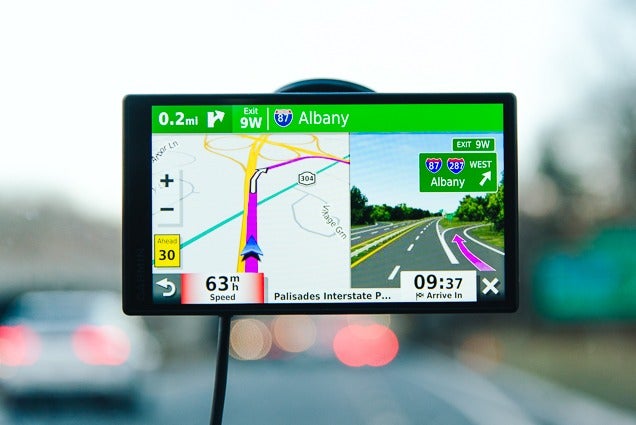


The Global Positioning System (GPS) has transformed the way we navigate the world, providing accurate location data and guiding us to our destinations. Over the years, GPS navigation technology has evolved significantly, starting with dedicated GPS devices and progressing to the widespread use of GPS-enabled smartphone apps. In this article, we will explore the evolution of GPS navigation, the role of dedicated GPS devices, and how smartphone apps have revolutionized the way we navigate and explore the world.
- The Emergence of GPS Navigation
GPS navigation technology traces its roots to the United States Department of Defense, which first developed the GPS system for military purposes in the 1970s. However, it wasn’t until the late 1990s that GPS navigation devices became accessible to the public. Early GPS devices were bulky and primarily used for outdoor activities such as hiking and boating.
- Dedicated GPS Devices: Advancements and Adoption
As technology progressed, dedicated GPS navigation devices became more compact and affordable, gaining popularity for use in cars. Standalone GPS devices offered turn-by-turn directions, real-time traffic updates, and points of interest (POI) databases, making them indispensable for road trips and daily commutes.
- Integration with In-Car Navigation Systems
Automakers recognized the potential of GPS navigation technology and started integrating it into in-car navigation systems. Built-in GPS systems became a standard feature in many vehicles, offering seamless navigation without the need for external devices. This integration provided drivers with more accurate and user-friendly navigation experiences.
- Smartphone Revolution: GPS on Every Phone
The advent of smartphones in the late 2000s revolutionized the GPS navigation landscape. With the inclusion of GPS chips in smartphones, users gained access to real-time location services and navigation apps that could be carried in their pockets. The rise of smartphones brought GPS navigation to a broader audience, making it an essential tool for everyday life.
- Rise of GPS Navigation Apps
GPS navigation apps like Google Maps, Apple Maps, and Waze became widely popular, turning smartphones into versatile navigation devices. These apps offered not only turn-by-turn directions but also real-time traffic data, alternative route suggestions, and integration with public transportation services. GPS navigation apps also provided walking and cycling directions, further enhancing their utility for users.
- Crowd-Sourced Data and Real-Time Updates
One significant advantage of GPS navigation apps is their ability to collect crowd-sourced data from millions of users. By tracking the movement of users, apps like Waze can provide real-time updates on traffic conditions, accidents, and road closures, allowing drivers to adjust their routes accordingly and avoid congestion.
- Offline Navigation Capabilities
GPS navigation apps have evolved to offer offline navigation capabilities, allowing users to download maps for specific regions and access them without an internet connection. This feature is particularly beneficial for travelers exploring remote areas or facing limited network coverage.
- Integration with Augmented Reality (AR)
Augmented reality (AR) technology has further enriched GPS navigation apps by overlaying digital information onto the real world. AR navigation features provide more intuitive directions, displaying arrows and symbols directly on the live camera view, helping users navigate complex intersections and urban environments.
- Personalization and Integration with Other Services
GPS navigation apps have become highly personalized, taking into account user preferences, frequent destinations, and preferred transportation modes. Integration with other services like ride-sharing platforms and restaurant reservations allows users to plan and execute their entire journey seamlessly within a single app.
- Future of GPS Navigation: AI and Smart Cities
Looking ahead, the future of GPS navigation is intertwined with artificial intelligence (AI) and the development of smart cities. AI-powered navigation apps will analyze user behavior and preferences to provide more personalized and proactive guidance. Smart cities will integrate GPS data into traffic management systems, optimizing traffic flow and reducing congestion.
The evolution of GPS navigation from dedicated devices to smartphone apps has revolutionized the way we navigate and explore the world. From bulky GPS devices used primarily for outdoor activities to sophisticated GPS navigation apps that offer real-time updates, personalized recommendations, and seamless integration with other services, GPS technology has come a long way.
As GPS navigation continues to evolve, we can expect further advancements in AI, augmented reality, and smart city integration, providing users with even more efficient and intuitive navigation experiences. GPS navigation has become an indispensable tool in our daily lives, empowering us to navigate with confidence and discover new places with ease.


