

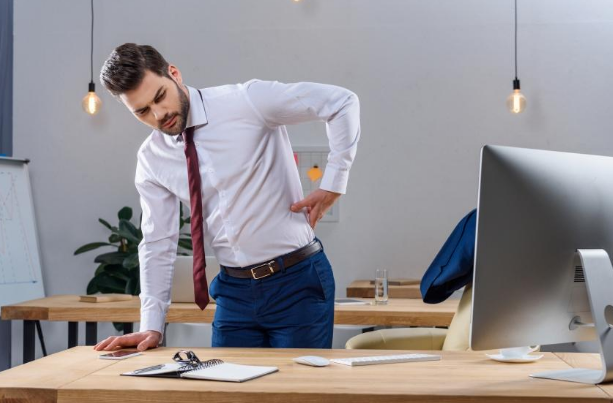

In today’s demanding work environment, employees experience various forms of pain. Sitting for long hours isn’t good for the body. It leads to discomfort in various parts after a certain time. Some commonly affected parts include the back, shoulders, and legs. However, there is good news. There are various easy yet effective ways to alleviate and reduce workplace pain.
One of the best ways to reduce it is by promoting office ergonomics. It is the designing and arranging workspaces to fit the capabilities and limitations of the human body. An ergonomic workspace maximizes comfort and minimizes the risk of injuries. Besides office ergonomics, employees can inculcate various other work habits to reduce pain. Consulting with a pain management doctor can also be helpful in finding effective strategies for pain relief. This article will list down some of the most effective ones.
1. Take Short Breaks
Engaging in prolonged periods of work without breaks can lead to physical discomfort and mental fatigue. Taking short breaks helps in the following ways:
- Helps prevent the development of musculoskeletal issues: Short breaks allow individuals to give their bodies a much-needed rest from repetitive or sedentary tasks. Sitting for extended periods can strain the muscles and joints. By incorporating brief breaks, employees can stretch, walk around, or perform simple exercises. These movements can help prevent the onset of musculoskeletal issues.
- Helps in improving mental well-being: Prolonged focus on work tasks can lead to mental fatigue. Regular breaks allow employees to give their minds a chance to recharge and reset. Short breaks can involve activities such as meditation or deep breathing exercises. It can also be simply stepping away from the workspace to engage in a different task. These brief moments of mental relaxation can help improve cognitive function.
- Reduces feelings of isolation: Taking short breaks together allows colleagues to engage in informal conversations and build relationships. These social interactions also serve as a valuable support system. Connecting with coworkers on a personal level during breaks can help reduce feelings of isolation and create a more positive and inclusive workplace culture.
2. Improve Your Posture
Poor posture causes muscle imbalances. It also strains the spine and puts pressure on certain areas of the body. Here are some key things to note about correcting the posture.
- Maintain a neutral spine alignment: This means keeping the natural curves of the spine in their optimal positions. Keep your back straight, shoulders relaxed, and your head aligned with the spine when sitting. Use an ergonomic chair with adjustable features, such as lumbar support. It provides additional support for maintaining proper spinal alignment.
- Maintain a tall and upright posture while standing or walking: When standing or walking, individuals should distribute their weight evenly on both feet. Keep the shoulders back and avoid locking the knees. This posture helps alleviate pressure on the spine. It reduces strain on the lower back. Practicing exercises and stretches that strengthen the core muscles and improve overall body alignment can also contribute to better posture over time.
- Incorporate regular posture breaks: Employees can set reminders to stand up, stretch, and move around after fixed periods. It allows for postural readjustment. Simple stretching exercises, such as shoulder rolls, neck stretches, and back extensions, help relieve tension, promote blood circulation, and improve overall posture.
3. At Home Relief
There are several effective strategies that employees can use at home to diminish pain and promote better health.
- Indulge in regular exercise: Physical activity strengthens the muscles and enhances overall body mechanics. Incorporating exercises that target specific areas prone to pain can be particularly beneficial. These include areas like the back, neck, and shoulders. Activities like yoga, pilates, or strength training promote a healthy range of motion. Cardiovascular exercises like walking, running, or cycling can boost blood circulation and reduce stress levels.
- Use heat or cold therapy: Applying a heating pad or warm compress to areas of pain can increase blood flow to the affected area. It reduces stiffness in the muscles. Heat therapy also soothes muscle aches. Cold therapy, such as using an ice pack or cold compress, provides relief for acute injuries or swelling. Alternating between heat and cold therapies provides a combination of soothing and anti-inflammatory effects.
- Maintain a healthy lifestyle: Maintaining a healthy lifestyle outside the office is crucial for managing workplace pain. Consuming a nutrient-rich diet, staying hydrated, and getting sufficient sleep reduces the likelihood of pain. Proper nutrition supports overall health and reduces inflammation. It promotes tissue repair. Drinking enough water hydrates the body. It is essential for joint lubrication and overall body function. Finally, Quality sleep is crucial for the body’s recovery and repair processes, allowing muscles to relax and heal.
All the tips and strategies given above will help employees reduce and prevent workplace pain. However, if you have been experiencing persistent discomfort in an area, do not shy away from seeking medical assistance. Advanced Pain Care’s physicians provide comprehensive services according to your unique needs. With various pain solutions, including spinal cord stimulation, precision nerve injections, and epidural steroid injections, they are there to provide quality care to all.
