

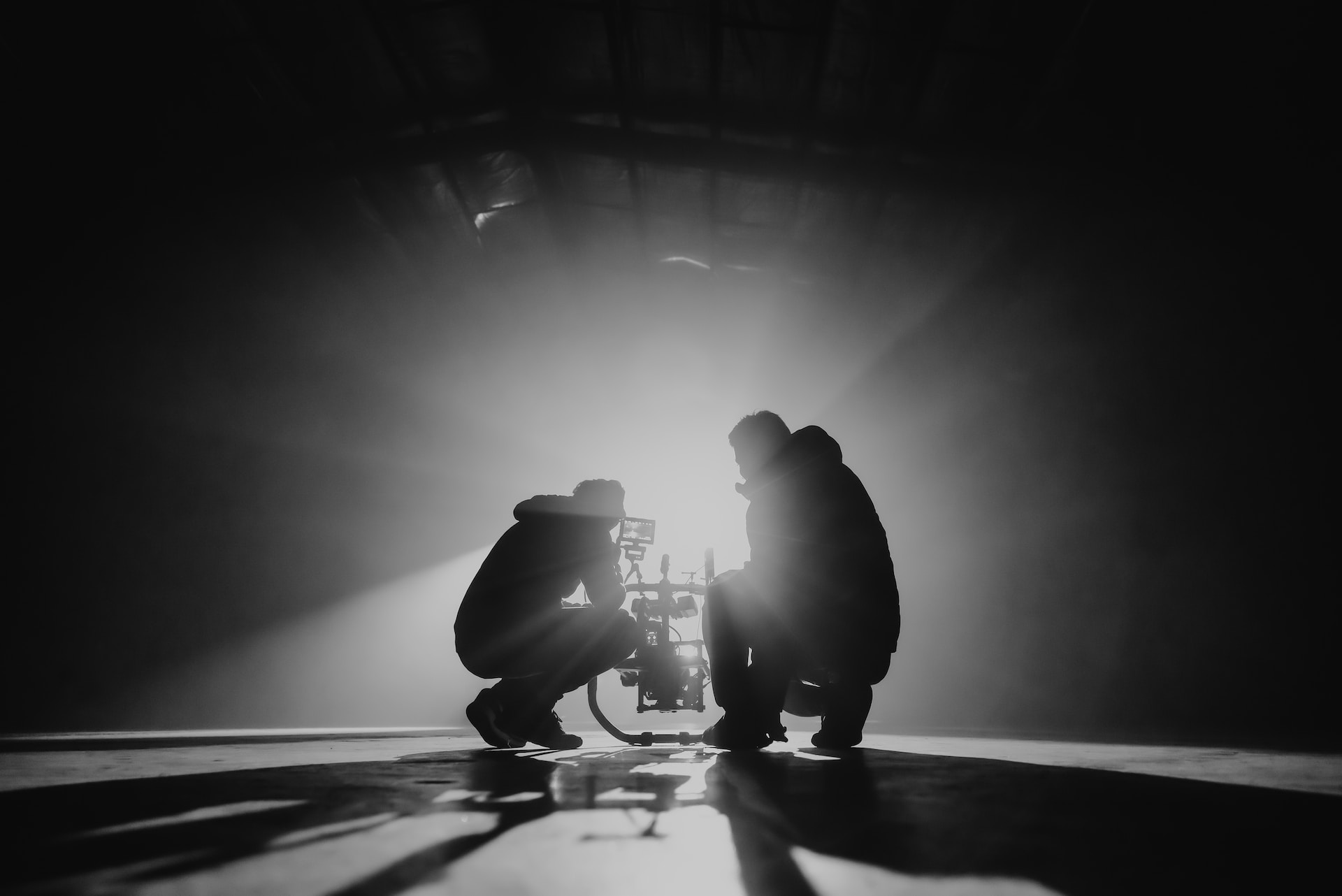

From the initial idea to the post-production chaos, it definitely takes any movie a long road before it hits the screen. The whole crew puts in a tremendous amount of effort to make sure that every single frame is exactly how it should be so the viewers can immerse themselves in the story.
However, even if everything else is perfect, there is one aspect of film production which can easily make or break the whole project. No story can be depicted without proper cinematography, as that’s precisely what sets the mood for the whole movie, from the colors to the lighting and locations.
Pre-Production
Perhaps the most challenging part of the cinematographer’s job is conceptualizing the visual style of the movies before the actual filming process starts. The script is the foundation of the whole project, and the crew obviously has to follow it. It can be quite difficult to translate the words into a visually pleasing language, maintain the feeling, and not lose the meaning behind the script all at the same time.
It takes an effective collaboration between the screenwriter, the director, and the cinematographer to correctly set the tone of the movie, so it can accurately depict what the director has to say. Storyboards and shot lists need to be created in order to map out exactly how the story will play out and what inventory will be needed to shoot each scene.
The Cinematographer’s Lens
Movies don’t have the luxury of describing everything in words, like books do. That’s why it’s an extra challenge to depict the inexpressible details, such as the thoughts and feelings of the characters. This is exactly where the cinematography comes in – camera angles, colors, shooting styles – these are all tools that the cinematographer uses to describe what’s indescribable with words.
Camera Angles
A close-up shot is one of the most commonly used storytelling techniques. A talented actor’s facial expressions can tell the viewer a character’s exact thought process or emotional state. A long shot, for example, is more effective when trying to show the character, the place in which the scene takes place, and how both of them relate to each other. Filming in this manner also creates a sense of isolation between the viewer and the movie, allowing you to observe the details surrounding the story.
Low-angle, Bird’s eye, Dutch tilt, etc. – all of these filming techniques achieve different goals. The collaboration between the director and the cinematographer is extremely important precisely because of such details, as it’s the cinematographer’s job to use correct angles and techniques to effectively describe what the director is trying to say.
Colors
Very few tools are as powerful in storytelling as the use of color. Different hues and their combinations have been crucial for movies ever since colored cinema has existed. Whether the goal is to create a specific tone for the film or to show a character’s emotional state, implementing the right colors can have a drastic effect on the whole project.
In a high-quality movie, nothing is coincidental. The colors of the characters’ clothes or their surroundings are strategically designed to express different emotions. Manipulating the intensity of the colors is also a very commonly used technique – saturating or desaturating certain colors or variously adjusting their brightness can affect the overall mood of the movie, telling the viewers exactly what they need to know.
To Sum Up
As you can see, there are truly countless details for the crew to consider while trying to accurately depict any topic or emotion that a character is feeling. Even when reading a book, the ability to read between the lines is important for the full experience. However, in the cinematic universe, the viewer needs extra attention to capture everything the creators have to say.
Thankfully, various tools allow filmmakers to capture specific emotions. However, it still takes a lot of joint effort from the cinematographer, the director, production designers, the screenwriter, and the actors to get the details just right. This collaboration is exactly what makes any movie worthy of the viewers’ time, allowing them to fully immerse themselves in the cinematic experience.
