

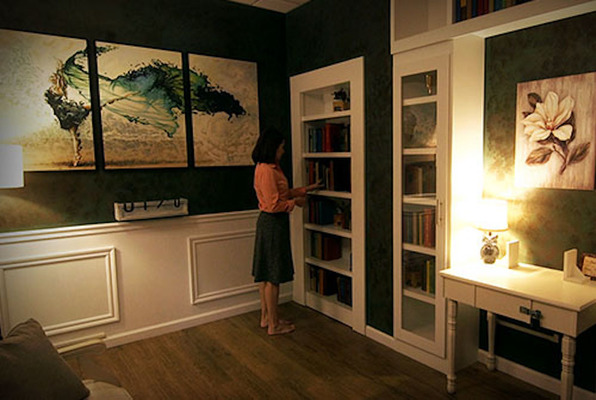

Escape rooms are growing in popularity with their immersive experiences for people of all ages. Players must work together to collect clues, solve riddles, and escape these specifically created chambers before the time limit expires. Each room has a certain theme. You need to be able to attentively observe your surroundings to be successful in an escape room.
To succeed in escape rooms, you need acute observing skills. As you move around the room, you’ll discover hidden hints that will help you solve puzzles and make your escape. It can be challenging, though, to find these hints. This blog offers advice on sharpening your observational abilities and spotting hidden clues in an escape room.
What is the Art of Observation?
Paying deliberate and focused attention to your surroundings is known as observation. The art of observation involves noticing details that others may miss while observing your surroundings. When solving escape rooms, this skill is crucial as many of the necessary clues for escaping are hidden in plain sight.
Why Observation is Key in an Escape Room
To experience a new world, try entering an escape room! BrainXcape Escape Room in NYC offers immersive rooms with furniture, decorations, and props designed to make you feel like you’re in a different world. Keep in mind not everything in the room is just for looks. Clues are hidden throughout the environment to help you solve puzzles and escape.
Observing your surroundings is crucial to succeeding in an escape room. You can find clues hidden in plain sight or tucked away in unexpected places. The more observant you are, the higher your chances of finding the necessary clues to escape.
Tips for Spotting Hidden Clues in an Escape Room
We’ve compiled a list of tips for spotting hidden clues that will enhance your observation skills and chances of escaping from an escape room.
Start with a Systematic Search
It is crucial to systematically search the room to find hidden clues. Start in a corner and sweep through the area, examining every object you see, including underneath tables, behind curtains, and inside drawers. Be diligent in inspecting everything, and be alert for any unusual or surprising discoveries. Some of the top chicago escape room have excellent puzzles to offer.
Look for Patterns and Connections
Escape rooms are meant to be difficult, and the hints are typically concealed as patterns or connections. It’s important to search for objects that are either repeated or have a relation with each other. For instance, if you come across a book with a particular page bookmarked, there’s a chance you’ll need to look for other books with identical marking.
Read Everything Carefully
To succeed in escape rooms, it’s essential to read carefully. Search for clues everywhere, even in plain sight on posters or objects. Check labels, signs, and instructions thoroughly, as even a single word or number may aid in your escape.
Pay Attention to the Detail
To make an effective observation, focus on small details that may appear unusual, like a slightly tilted book on the shelf or an unplugged lamp. Though seemingly insignificant, these details can provide clues to solve a mystery.
Use Your Senses
Escape rooms enable you to enjoy an immersive experience where you can hunt for buried clues with the aid of your senses. Use your auditory sense by keeping an ear out for useful noises, such as a lock clicking open. Any odd odors should be noted because they can indicate what you should do next.
Think Outside the Box
When you’re in an escape room, it’s important to use your creativity and explore unusual solutions. Even if something does not appear to be significant, it could be a clue or a way to open a hidden door. Maintain an open mind and be willing to think outside the box because some puzzles may necessitate unconventional solutions.
Work Together
To uncover hidden clues, it’s crucial to collaborate with your team. Some puzzles may necessitate collaboration, and everyone has distinct abilities and specialities. Working as a team can bring together your strengths and improve your escape odds.
Conclusion
To succeed in an escape room, it’s essential to have strong observation skills. You can improve your chances of escaping by following these tips and using your senses to think creatively. Just staring is not enough to find hidden clues. Be patient, take breaks, and switch up your approach if needed. Practicing these techniques can enhance your overall escape room experience.
Success in an escape room requires communication, teamwork, critical thinking, and paying attention to your surroundings. To maximize your chances of escape, use these pointers to hone your observation skills. Get your team together, put your skills to the test, and see if you can beat the clock and escape the room!
