

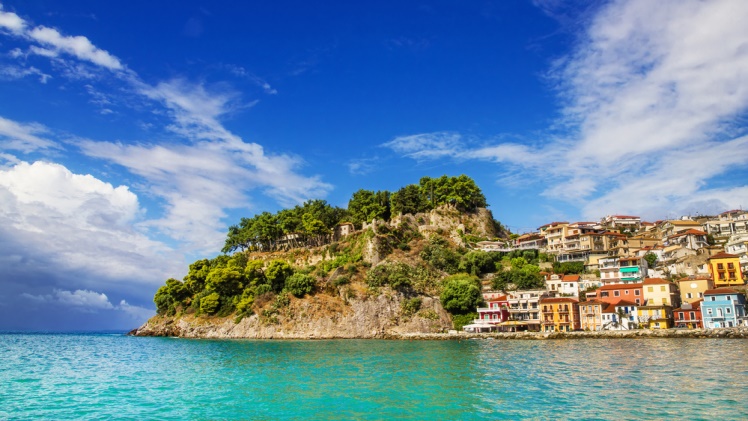

The idea of the “coast” evokes a range of vivid images: sunny beaches, salty air, and mesmerizing sunsets by the sea. In such charming settings, holding a glass of local wine enhances the experience, making it even more delightful. But is it just the moment or is there something special about wines produced by the sea?
Coastal areas have their own distinct characteristics, and the Mediterranean boasts numerous coastal wine regions. Winemakers in these areas make the most of their unique climate, creating wines that exhibit freshness, complexity, and a willingness to experiment with unconventional grape varieties. Some of these coastal wines would be impossible to produce just a few miles inland.
So, what makes coastal vineyards so exceptional? Let’s explore the ways they benefit from their proximity to the water’s edge:
- Unique Terroir: Wines produced by the sea are influenced by factors like sea air, sandy soils, and maritime influences, creating distinct flavor profiles that capture the essence of the location. These exceptional qualities set coastal wines apart, making them unique in the world of winemaking.
- Temperature Moderation: Coastal regions enjoy the advantage of temperature moderation for winemaking. The nearby sea acts as a natural controller, providing cooling on hot summer days and gentle warmth during chilly winters. This favorable climate creates an optimal environment for grape cultivation, fostering balanced growth and nuanced flavors.
- Longer Growing Season: Coastal regions benefit from a prolonged growing season due to the milder climate near the sea. This extended period allows grapes to ripen gradually and fully, leading to the development of complex aromas and flavors. The unhurried maturation process, influenced by coastal elements, endows the wines with profound depth and a genuine expression of the terroir.
- Balanced Ripening: A moderate coastal climate ensures a harmonious and well-rounded ripening process for grapes. The cooler temperatures and longer growing seasons allow the fruits to achieve optimal maturity at a leisurely pace. This results in grapes with ideal sugar levels, balanced acidity, and perfect ripeness, translating into wines with refined structure and an elegant expression of the terroir.
- Refreshing Acidity: Coastal wines are known for their refreshing acidity. The proximity of the vines to the sea, along with coastal breezes, helps retain natural acidity in the grapes. This infusion imparts a delightful zest and harmonious equilibrium to every sip.
- Salty Nuances: Coastal wines possess a touch of saltiness, evoking the nearby sea. These delicate saline undertones elevate the overall flavor, crafting an unparalleled drinking experience reminiscent of serene coastal landscapes.
- Mineral Expression: Coastal wines often showcase a distinct mineral expression, influenced by the vineyard soils and the sea. The combination of mineral-rich coastal topsoil and oceanic foundations imparts fascinating complexities to the wines.
- Complex Aromatics: Coastal wines frequently exhibit complex aromatics due to cool climates, oceanic influences, and specific grape varieties. They offer a rich tapestry of enticing scents, adding depth, intrigue, and allure.
- Food-Friendly Pairings: Coastal wines complement a wide range of culinary delights, enhancing the dining experience with local specialties.
- Sense of Adventure and Exploration: Coastal wines encourage wine lovers to discover new varieties, regions, and winemaking styles, offering a genuine sensory experience and a taste of the seaside.
Each sip of a coastal wine offers a unique sensory journey, making them perfect companions for the summer months ahead. The enchanting appeal of coastal wines lies in their ability to transport us to the seaside with every delightful taste.
