





Swarovski is a name that immediately comes to mind when it comes to sparkling crystals. Renowned for their unparalleled beauty and quality, Swarovski crystals have established themselves as a symbol of luxury and craftsmanship.
However, other brands offering crystal alternatives have emerged in recent years, sparking a debate among crystal enthusiasts. This article will delve into the world of crystals, exploring the similarities and differences between Swarovski crystals and other crystal brands.
By examining various aspects, such as composition, manufacturing processes, and applications, we aim to understand these two captivating options comprehensively.
Crystal Elements: An Alternative With Sparkle
Most alternative brands offer crystal alternatives at a more affordable price point. While they may not have the same legacy and recognition as Swarovski, they strive to provide crystals exhibiting similar sparkle and appeal. Their crystals are sometimes made from high-quality glass with lead oxide content, which enhances their refractive index and brilliance.
These crystals are also manufactured using techniques similar to Swarovski, including cutting, faceting, and polishing to maximise light reflection. However, due to cost considerations, they may not undergo the same precision and strict quality control as Swarovski crystals. This can result in slight variations in size, shape, and overall consistency. Overall, their products would likely not match products like Pink Swarovski Elements and Crystal Beads.
As brands offering crystal alternatives, their products find popularity in various applications. Although they clearly would not carry the same prestige as Swarovski crystals, they offer an affordable option with sparkle and visual appeal. Here are some popular applications of these alternative crystals:
- Costume Jewellery
- Apparel Embellishments
- Accessories:
- Home Décor
- Crafts and DIY Projects
- Nail Art
- Mobile Phones and Tech Accessories
Swarovski Crystals: A Legacy of Excellence
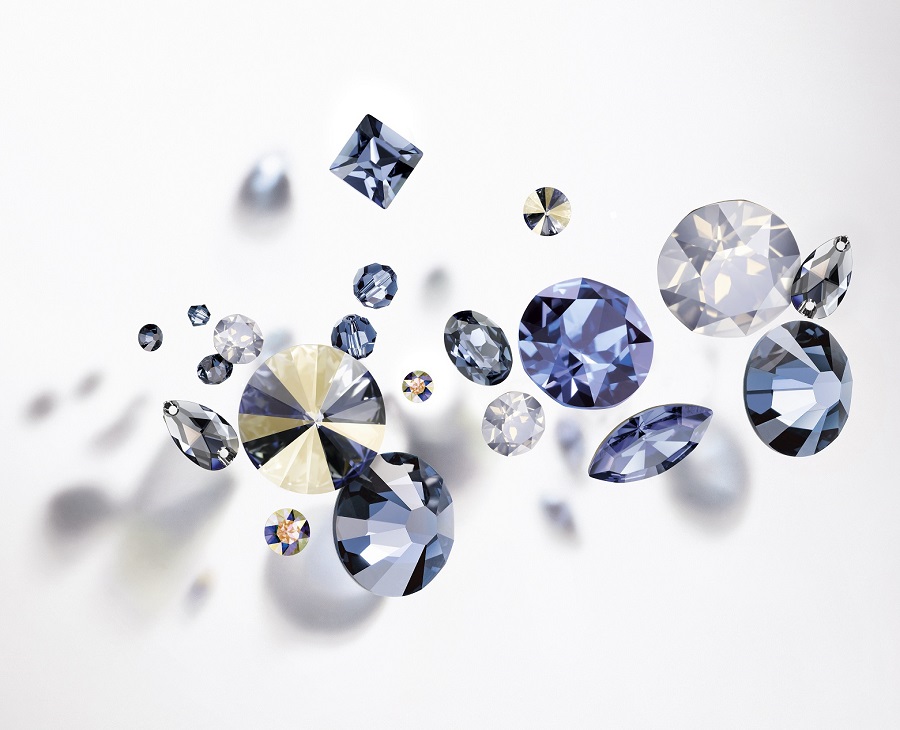
Swarovski crystals, created by Daniel Swarovski in 1895, have been synonymous with exquisite brilliance and precision for over a century. Crafted using a proprietary formula, Swarovski crystals are made from high-quality glass with quartz, sand, and minerals. This unique composition, along with the precision cutting techniques developed by Swarovski, results in crystals that refract and reflect light with exceptional brilliance and clarity.
The manufacturing process of Swarovski crystals involves cutting, faceting, and polishing the glass to create multifaceted surfaces that maximise light reflection. Swarovski crystals undergo strict quality control, ensuring consistent quality and uniformity in colour, shape, and size. The brand offers an extensive range of crystal products, including beads, pendants, figurines, and jewellery components, which have become popular in the fashion, jewellery, and design industries.
Swarovski crystals, known for their exceptional brilliance and craftsmanship, find popularity in a wide range of applications. Their prestige and reputation for superior quality make them a preferred choice for those seeking luxury and elegance. Here are some popular applications of Swarovski crystals:
- Jewellery
- Fashion and Couture
- Accessories
- Home Décor
- Watches
- Interior Design
- Costumes and Stage Productions
Swarovski Crystals vs Other Crystals
When comparing Swarovski crystals and other crystals, several factors come into play. Let’s examine some key aspects:
- Brilliance and Clarity:Swarovski crystals are renowned for their exceptional brilliance and clarity, owing to their precise cutting and high-quality glass composition. Other crystals strive to replicate this brilliance, but slight variations in quality and consistency may exist.
- Price:Swarovski crystals are often associated with higher price points due to their superior craftsmanship and brand recognition. Other crystal brands offer a more affordable alternative without overly compromising sparkle and overall visual appeal.
- Applications:Swarovski crystals are widely used in the fashion, jewellery, and design industries, where their unmatched quality and prestige make them a popular choice. Other crystals are often utilised in costume jewellery, embellishments, and crafts, catering to individuals seeking a balance between affordability and aesthetics.
- Collectibility and Resale Value:Swarovski crystals hold a significant collector’s value, with dedicated enthusiasts and secondary markets for their figurines and jewellery pieces. As newer and less reputable brands, other crystal brands would not have the same collectibility or resale value.
Conclusion
Both Swarovski Crystals and other brands offer captivating options for crystal enthusiasts. With their rich history, exceptional brilliance, and meticulous craftsmanship, Swarovski crystals remain the benchmark for luxury and quality. On the other hand, other brands provide an affordable alternative, striving to offer similar sparkle and visual appeal.
The choice between the two ultimately depends on individual preferences, budget constraints, and the intended application. Whether it’s the prestige and unparalleled beauty of Swarovski crystals or the accessible charm of alternative brands, both options allow individuals to embrace the captivating world of crystals and add a touch of brilliance to their lives.