





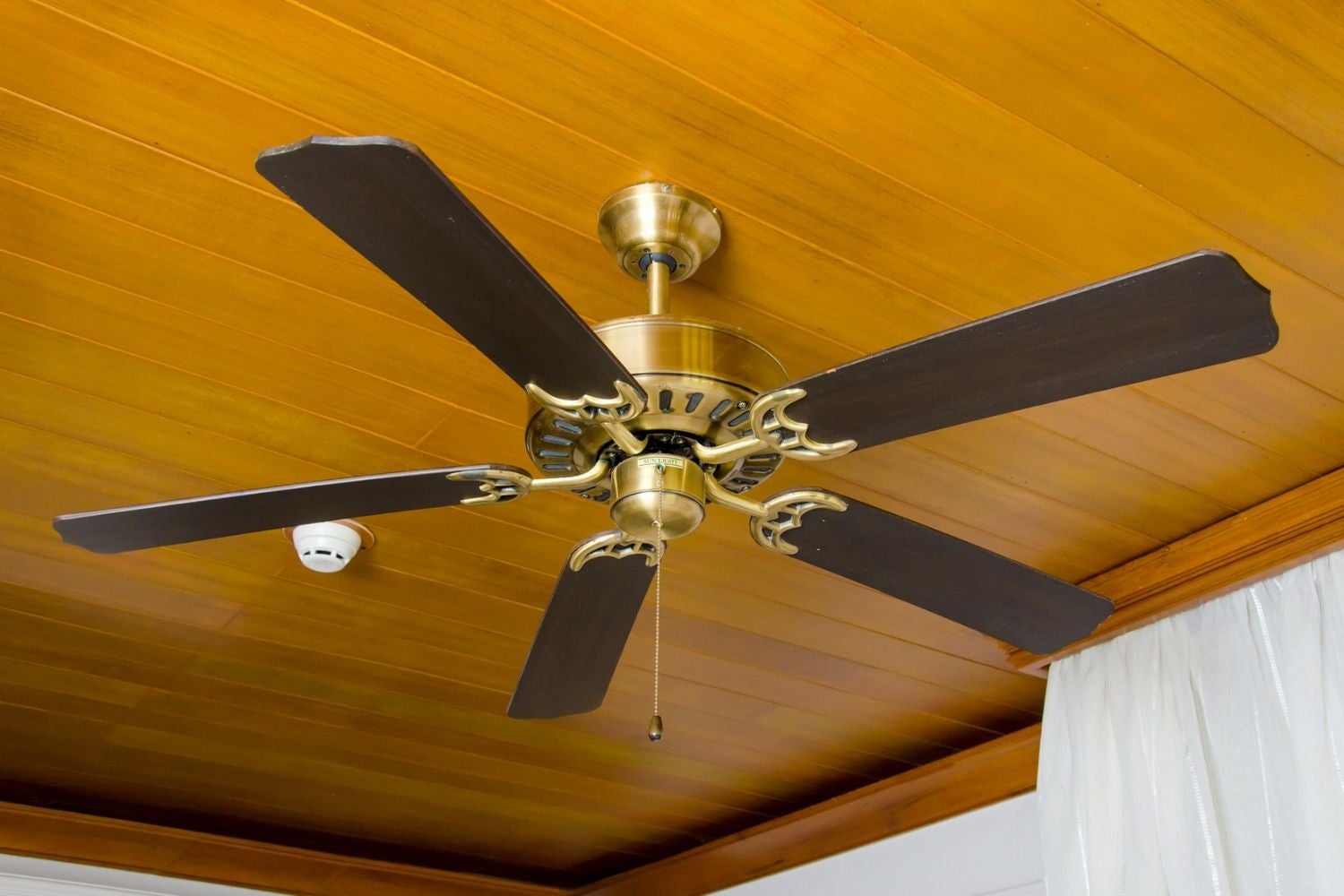


Introduction: Ceiling fans are versatile appliances that can provide comfort and energy savings throughout the year. While they are commonly associated with cooling during hot summer months, ceiling fans can also be used effectively during other seasons. In this article, we will explore suggestions on maximizing the use of ceiling fans in different seasons, allowing you to create a comfortable environment while optimizing energy efficiency.
- Summer: Stay Cool and Save Energy During the scorching summer months, ceiling fans are a popular choice for cooling and maintaining a comfortable indoor environment. Here are some suggestions on how to make the most of your ceiling fan during summer:
Set the Correct Fan Direction: Most ceiling fans come with a switch that allows you to change the direction of the blades’ rotation. In summer, you should set the fan to rotate counterclockwise (when viewed from below) to create a cooling effect. This direction creates a downdraft, which helps circulate air and creates a gentle breeze, making you feel cooler without actually lowering the room’s temperature.
Adjust Fan Speed: Ceiling fans typically have multiple speed settings. In summer, setting the fan to a higher speed helps enhance the cooling effect. The increased airflow can make you feel up to 4 degrees Fahrenheit (2.2 degrees Celsius) cooler. Experiment with different speeds to find the optimal balance between comfort and energy efficiency.
Pair with Air Conditioning: Ceiling fans work well in conjunction with air conditioning systems. By using a ceiling fan along with your air conditioner, you can raise the thermostat temperature by a few degrees without sacrificing comfort. The fan helps distribute the cooled air more effectively, allowing you to reduce energy consumption and save on cooling costs.
Optimize Ventilation: Ceiling fans can also aid in optimizing natural ventilation. During cooler evenings or early mornings, when outdoor temperatures drop, open windows and use the ceiling fan on a low speed to draw in fresh air. This cross-ventilation technique can help flush out stale air and create a pleasant breeze indoors.
- Fall: Embrace the Gentle Breeze As the weather transitions from summer to fall, ceiling fans can still play a role in maintaining a comfortable environment. Here are some suggestions for using ceiling fans during the fall season:
Reverse the Fan Direction: During fall, switch the direction of your ceiling fan to clockwise (when viewed from below). This reverses the airflow, creating an updraft. The updraft gently pushes the warm air that naturally rises to the ceiling back down into the room, helping to maintain a cozy and comfortable environment. This is especially useful in rooms with high ceilings or areas where warm air tends to accumulate.
Adjust Fan Speed: In fall, you can typically set your ceiling fan to a lower speed compared to summer. Since the goal is to circulate warm air without creating a cooling effect, a lower speed setting is sufficient to gently distribute the air throughout the space. This not only helps maintain a comfortable temperature but also allows you to save on heating costs by optimizing the use of your heating system.
Supplement with Heating: Ceiling fans are not intended to replace heating systems but rather complement them. Using a ceiling fan alongside a heating system can help improve heat distribution and reduce temperature stratification. By circulating the warm air, the fan helps eliminate cold spots and ensures more even heating throughout the room.
III. Winter: Warmth and Efficiency
Certainly! Here are some suggestions for utilizing ceiling fans in winter to enhance warmth and efficiency:
Reverse the Fan Direction: During winter, switch the direction of your ceiling fan to clockwise (when viewed from below). This creates an updraft, which helps to redistribute the warm air that naturally rises to the ceiling. By pushing the warm air down, you can achieve better heat circulation and create a cozy environment. This is particularly beneficial in rooms with high ceilings or areas where warm air tends to accumulate near the ceiling.
Set the Fan to a Low Speed: In winter, it’s recommended to run your ceiling fan at a low speed or its lowest setting. This gentle airflow will prevent creating a cooling effect while still promoting the upward movement of warm air. Running the fan at a lower speed will also help conserve energy and reduce any drafty sensations.
Supplement with Heating: Ceiling fans should not be seen as a substitute for a primary heating source, such as a furnace or radiator. Instead, they can be used to supplement your heating system’s efficiency. By using a ceiling fan in conjunction with your heating system, you can help distribute the warm air more effectively throughout the room. This can result in more even heating, reducing the reliance on the heating system and potentially lowering energy costs.
Use Zonal Heating: If you have multiple rooms or areas in your home that require different heating levels, ceiling fans can be helpful in implementing zonal heating. By using fans strategically, you can direct the warm air towards occupied areas and reduce heating in unoccupied or lesser-used spaces. This allows you to optimize energy usage by only heating the areas that require it.
Seal Air Leaks: To maximize the efficiency of your heating system and ceiling fan, it’s important to ensure that your home is well-insulated and free of air leaks. Drafty windows, doors, and gaps in walls can lead to heat loss, making it harder for your heating system and ceiling fan to maintain a comfortable temperature. Identify and seal any air leaks to improve energy efficiency and enhance the overall effectiveness of your heating system and ceiling fan.
Regular Fan Maintenance: Even during winter, it’s essential to perform regular maintenance on your ceiling fan. Dust and debris can accumulate on the fan blades and hinder its performance. Clean the fan blades and motor housing regularly to prevent dust buildup. Additionally, check the screws and tighten them if necessary to reduce wobbling and noise issues.
Conclusion: Ceiling fans are versatile appliances that can be used effectively in all seasons, including winter. By reversing the fan direction, using lower speeds, and supplementing your heating system, you can enhance warmth and energy efficiency in your home during the colder months. Remember to perform regular maintenance and ensure proper insulation to optimize the performance of your ceiling fan and heating system. With these suggestions, you can harness the benefits of your ceiling fan year-round and create a comfortable environment while saving on energy costs.


