

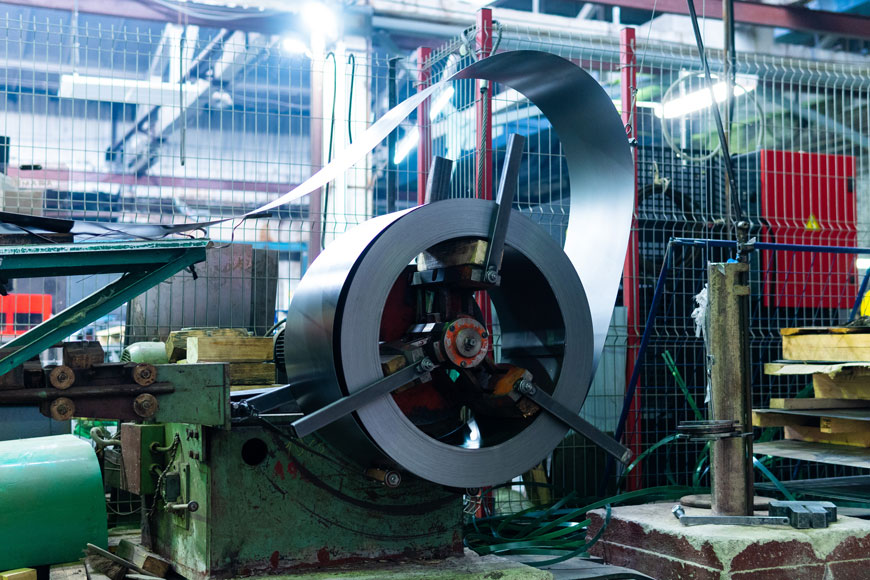

Steel metal fabrication involves the process of manipulating steel materials to create various structures and components for different applications. It encompasses cutting, bending, welding, and assembling steel pieces to meet specific design requirements. Steel metal fabrication is widely used in industries such as construction, automotive, aerospace, and manufacturing.
Skilled fabricators utilize advanced tools and techniques to transform raw steel into finished products, ranging from simple brackets to complex machinery and structural frameworks. With its strength, durability, and versatility, steel is a preferred choice for fabrication due to its ability to withstand heavy loads, harsh environments, and demanding conditions. Steel metal fabrication plays a crucial role in shaping the modern world and meeting diverse industrial needs.
Introduction: Steel is a vital material that serves as the backbone of modern infrastructure and industrial development. As demand for steel continues to rise, manufacturers are constantly seeking innovative techniques to enhance its strength, improve quality, and promote sustainability. This article explores some of the key advancements in steel manufacturing that contribute to these goals.
- Advanced Steelmaking Processes: Traditional steelmaking techniques, such as the basic oxygen furnace (BOF) and electric arc furnace (EAF), have been widely used for decades. However, modern advancements have revolutionized the industry with more efficient and sustainable processes. One such technique is the use of direct reduced iron (DRI), which eliminates the need for the iron ore sintering step, resulting in reduced energy consumption and greenhouse gas emissions.
- Alloy Design and Microstructural Control: The strength and quality of steel heavily depend on its alloy composition and microstructure. Manufacturers now employ sophisticated alloy design methods to create steel with tailored properties. By incorporating elements like manganese, chromium, and nickel, they can enhance strength, corrosion resistance, and other desirable characteristics. Additionally, precise control over the steel’s microstructure, achieved through techniques like heat treatment and thermomechanical processing, further enhances its strength and toughness.
- Advanced Rolling and Forming Techniques: The shaping of steel through rolling and forming processes has seen significant advancements in recent years. High-speed rolling techniques, such as the use of continuous casting and hot rolling, enable faster production rates and improved dimensional accuracy. Additionally, advanced forming techniques, such as hot stamping and hydroforming, allow for the production of complex shapes and lightweight components while maintaining high strength and integrity.
- Recycling and Circular Economy: Sustainability is a critical aspect of modern steel manufacturing. The industry has made great strides in recycling and promoting a circular economy. Scrap steel is collected and processed to produce new steel, reducing the reliance on raw materials and minimizing waste. Furthermore, innovative technologies, such as electric arc furnaces powered by renewable energy sources, contribute to reducing carbon emissions and environmental impact.
- Quality Assurance and Testing: Ensuring the quality and reliability of steel is paramount in its application. Advanced testing and quality assurance techniques play a vital role in achieving this objective. Non-destructive testing methods, such as ultrasonic testing and magnetic particle inspection, enable the detection of internal defects without damaging the material. Additionally, advancements in digitalization and data analytics allow for real-time monitoring of production processes, leading to improved quality control and enhanced product consistency.
- Energy Efficiency and Emissions Reduction: The steel industry has made substantial progress in optimizing energy efficiency and reducing greenhouse gas emissions. Techniques like waste heat recovery systems and cogeneration plants capture and utilize energy that would otherwise be wasted, improving overall energy efficiency. Moreover, the integration of renewable energy sources, such as solar and wind power, into steel manufacturing processes helps reduce reliance on fossil fuels and decrease carbon footprint.
Steel Manufacturing: Difference between alloy and stainless steel
Alloy steel is a type of steel that contains additional alloying elements, such as manganese, chromium, or nickel, to enhance specific properties like strength, hardness, and durability. It is known for its superior mechanical properties and is commonly used in applications that require high strength and toughness.
On the other hand, the difference between alloy and stainless steel is a specific type of alloy steel that contains a minimum of 10.5% chromium. The high chromium content forms a protective passive layer on the surface, providing excellent resistance to corrosion and staining. Stainless steel is widely used in applications where corrosion resistance and hygiene are crucial, such as kitchen appliances, medical instruments, and architectural structures.
Conclusion
The ongoing advancements in steel manufacturing techniques have significantly contributed to enhancing the strength, quality, and sustainability of this essential material. From innovative steelmaking processes to alloy design, microstructural control, and recycling efforts, the industry is continuously striving to meet the growing demand for steel while minimizing environmental impact. As these techniques continue to evolve, steel will remain a fundamental material for diverse applications, supporting infrastructure development and economic growth worldwide.
