





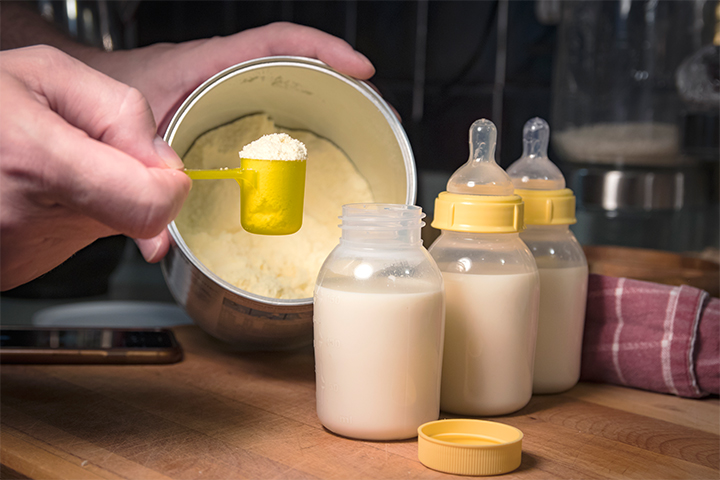


When providing the best nutrition for your baby, the choices can be overwhelming. While breast milk is the gold standard for infant nutrition, some parents turn to formula as an alternative. In recent years, goat milk formula has gained attention for its potential benefits. In this article, we will delve into the science behind goat milk formula to help you make an informed decision for your little one.
Is Goat Milk Formula a Suitable Choice for My Baby?
Goat milk formula, like Holle goat milk formula stage 2, maybe a suitable option for babies who have sensitivities or intolerances to cow milk formula. This is because goat milk has a distinct protein structure and composition compared to cow milk. Infant formula derived from modified goat milk can offer protection against harmful gut bacteria thanks to its natural antibiotic properties.
However, goat milk formula is unsuitable for babies with a true cow milk protein allergy, as they may still react to similar proteins in goat milk. It is also not recommended for babies who have galactosemia, a rare genetic disorder that prevents them from breaking down a sugar called galactose.
If you are considering organic milk formula for your baby, you should consult your pediatrician first to ensure it is safe and appropriate for your baby’s health and development.
Nutritional Value of Goat Milk Formula Compared to Others
Goat milk formula aligns closely with cow milk formula in meeting infant nutrition standards. Nevertheless, distinctions in the natural composition of goat and cow milk can influence their nutritional qualities.
Advantages of Goat Milk Formula
- Higher Levels – Goat milk boasts elevated levels of vitamins and minerals like vitamins A, B6, calcium, phosphorus, and magnesium.
- Digestibility – It contains more short- and medium-chain fatty acids, potentially offering improved digestion and absorption compared to long-chain fatty acids.
Considerations
- Lower Levels – Goat milk has reduced amounts of nutrients like vitamin B12, folic acid, iron, zinc, and iodine.
- Lactose Content – It contains less lactose than cow milk, which is beneficial for mildly lactose-intolerant babies.
Enhancements
To address these differences, goat milk formulas are enriched with extra vitamins, minerals, and sometimes prebiotics or probiotics to meet infants’ nutritional needs while supporting gut health and the immune system.
Price Comparison: Goat Milk Formula vs. Other Infant Formulas
Cost is a practical consideration for many parents when choosing infant formula. Goat milk formula tends to be pricier compared to cow milk-based formulas. This is due to factors such as the production process and the availability of goat milk. Specialized processing and sourcing of goat milk contribute to the higher cost.
Conversely, standard cow milk-based formulas are widely available and are more budget-friendly. However, the cost difference may be justified by the potential benefits that goat milk formula offers, especially for babies with specific dietary sensitivities.
When deciding based on cost, weighing the financial aspect alongside your baby’s unique nutritional requirements is important.
Conclusion
Choosing the right infant formula can be challenging. Goat milk is an alternative to cow milk formula that may appeal to some parents. Its advantages include easier digestion, higher nutrient levels, and natural antibiotics. However, it may not be suitable for babies with cow milk protein allergy, has lower nutrient levels, and is more expensive than cow milk formula.
The best infant formula for your baby depends on their needs, budget, and availability. It is always important to consult your pediatrician before making any changes to ensure the formula is safe and appropriate for your baby’s health and development.


