

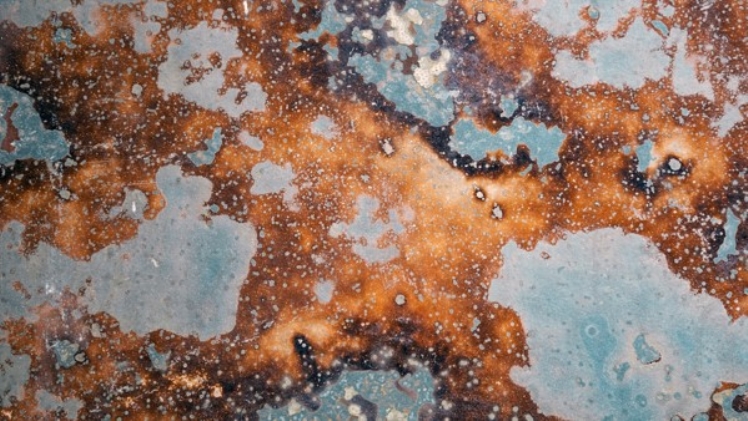

Mining operations are highly susceptible to corrosion, a natural process that causes the deterioration of metal equipment and infrastructure over time. Corrosion can be a significant problem for mining companies, leading to costly repairs, equipment downtime, and safety hazards. As such, it’s crucial for mining companies to implement effective corrosion prevention strategies to protect their operations.
In this article, we’ll explore four effective strategies for preventing corrosion in mining operations.
Strategy #1: Use Corrosion-Resistant Materials
One of the most effective ways to prevent corrosion in mining operations is to use corrosion-resistant materials for equipment and infrastructure. There are many types of materials that can withstand the harsh environments common in mining operations, including stainless steel, aluminum, and fiberglass. By using these materials, mining companies can reduce the risk of corrosion and increase the lifespan of their equipment.
When selecting materials for mining equipment and infrastructure, it’s essential to consider the specific environmental conditions in which they will be used. For example, equipment that will be exposed to saltwater or acidic environments may require different materials than equipment used in dry or alkaline environments.
Strategy #2: Implement Proper Maintenance Procedures
Proper maintenance procedures are crucial for preventing corrosion in mining operations. Regular inspections and cleaning can help identify and remove corrosion before it becomes a significant problem. Mining companies should establish a maintenance schedule for their equipment and infrastructure and ensure that it’s followed consistently.
During inspections, it’s essential to look for signs of corrosion, such as rust or pitting on metal surfaces. If corrosion is identified, it should be addressed promptly, either through cleaning or repair. It’s also important to clean equipment and infrastructure regularly to remove dirt, dust, and other debris that can contribute to corrosion.
Strategy #3: Apply Protective Coatings
Another effective strategy for preventing corrosion in mining operations is to apply protective coatings to equipment and infrastructure. These coatings can provide an additional layer of protection against environmental factors that contribute to corrosion. There are many different types of protective coatings available, including epoxy, polyurethane, and ceramic coatings.
When selecting a protective coating, it’s essential to consider the specific environmental conditions in which the equipment or infrastructure will be used. The coating should be designed to withstand these conditions and provide long-lasting protection against corrosion.
Strategy #4: Control Environmental Factors
Mining operations often take place in harsh environments that can contribute to corrosion. By controlling these environmental factors, mining companies can reduce the risk of corrosion and prolong the life of their equipment and infrastructure. One of the most effective ways to control environmental factors is to regulate humidity levels in storage areas and processing facilities.
Humidity can contribute to corrosion by creating a damp environment that accelerates the corrosion process. By controlling humidity levels, mining companies can reduce the risk of corrosion and protect their equipment and infrastructure. Other environmental factors that can contribute to corrosion include temperature, exposure to saltwater or acidic solutions, and exposure to chemicals.
Conclusion
Corrosion prevention is a critical component of corrosion risk management in mining operations. By implementing effective strategies such as using corrosion-resistant materials, proper maintenance procedures, applying protective coatings, and controlling environmental factors, mining companies can reduce the risk of corrosion and prolong the lifespan of their equipment and infrastructure. It’s essential for mining companies to prioritize corrosion prevention to ensure safe and efficient operations.
