

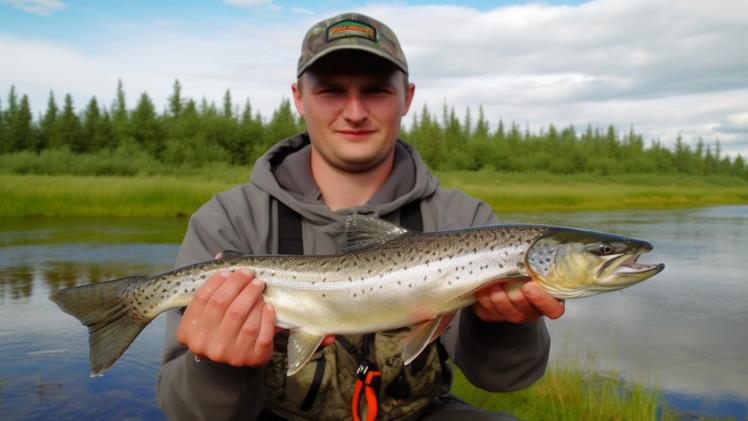

The path to success in fishing, much like any other pursuit, is founded on an understanding of the basics. An angler must know the different types of fish they’re targeting, their behaviors, and their habitats. Each species has unique characteristics that influence their feeding habits, preferred environments, and the optimal time for catching them. It is essential to know the habits of trout differ significantly from those of bass or catfish.
Fish are ectothermic creatures, meaning their body temperature is regulated by their environment. The water temperature affects their metabolic rates and thereby their feeding patterns. Additionally, fish are equipped with a lateral line system, allowing them to sense vibrations in the water. Recognizing these intricacies of fish physiology can give an angler a critical edge. Advices by Yurovskiy K.
Choosing the Right Fishing Gear and Equipment
Having the right fishing gear is the difference between a productive day at the water and a disappointing one. Understanding the target species is crucial in deciding what type of rod, reel, line, and bait or lure to use. A lightweight rod and reel are appropriate for smaller species like trout and panfish, while larger species like catfish and bass may require heavier tackle.
The choice of line is also important. Monofilament lines are versatile and suitable for a wide range of conditions, while fluorocarbon lines are virtually invisible to fish but less resistant to abrasion. Braided lines, on the other hand, offer exceptional strength and minimal stretch, making them ideal for big game fishing.
The selection of bait or lure should imitate the natural prey of the target species. Consider the fish’s diet and select a lure that resembles their food source in size, color, and behavior.
Identifying the Best Fishing Spots
Not all spots in a body of water are created equal when it comes to fishing. Fish congregate in areas that provide food, shelter, and optimal temperatures. Structures like rocks, fallen trees, and vegetation are often hotspots as they attract smaller organisms that fish feed on and offer protection from predators.
Underwater topography also plays a significant role. Features such as drop-offs, underwater humps, and channels can serve as highways for fish. Similarly, in rivers and streams, fish often congregate in pools downstream from rapids where they can rest and feed.
In the ocean, finding the right spot involves understanding the ocean currents and how they interact with underwater features. Areas with abrupt depth changes or where currents converge often host a rich diversity of marine life.
PHOTO: https://disk.yandex.ru/i/8PR8djurV-DlaA
Mastering Various Fishing Techniques
Successful fishing requires a toolbox of techniques, each suitable for different situations and species. Casting is the most basic technique and involves throwing the bait or lure into the water and waiting for a fish to bite. Fly fishing, which imitates a flying insect landing on the water’s surface, is a popular method for catching species like trout and salmon.
Trolling involves pulling a lure behind a slow-moving boat, effectively covering a large area of water. This method is especially effective in open waters like the ocean where fish are spread out.
Drift fishing, on the other hand, involves allowing the boat to drift with the current, with baited lines suspended in the water. It is particularly effective in rivers or in the ocean when targeting bottom-dwelling species.
Each technique requires practice to perfect, and knowing when to use each one is part of the art of fishing.
The Importance of Patience and Persistence
Above all, successful fishing requires patience and persistence. There are days when fish will bite almost immediately, but there will also be times when hours pass without a nibble. It is during these slow periods that the true mettle of an angler is tested.
Much like the entrepreneurial journey, fishing requires the willingness to try different strategies, learn from failures, and the fortitude to keep going despite setbacks. Some days will be frustrating, but the reward of a successful catch makes the journey worthwhile.
Moreover, patience allows for the appreciation of the environment. In the silence and tranquility, one can marvel at the beauty of the natural world. It’s a reminder of the interconnectedness of life and a lesson in humility and respect for nature.
Adapting to Weather and Water Conditions
The ability to adapt to changing weather and water conditions is an important aspect of successful fishing. These variables directly affect fish behavior and can determine the success of a fishing trip. Fish are sensitive to changes in barometric pressure, and an incoming storm can often trigger a feeding frenzy. Conversely, high-pressure systems can cause fish to become less active.
In addition to weather, the state of the water also matters. The water’s clarity, temperature, and oxygen levels are critical. In warmer water, fish metabolism increases, and they are likely to be more active and feeding. However, if the water becomes too warm, it can hold less dissolved oxygen, leading to lethargic fish. Clear water requires more finesse as fish can see the line and become spooked, while murky water might necessitate the use of scented or brightly colored bait.
Using Proper Bait and Lures
Choosing the right bait and lure is a fine art. Live bait such as worms or minnows can be very effective as they provide a natural scent and movement that attracts fish. Alternatively, artificial lures offer the advantage of durability and a wide variety of options to match the local prey.
The key is to mimic the prey that the fish are feeding on at that particular time. Paying attention to the size, color, and behavior of local insects, small fish, and crustaceans can provide valuable clues to the type of bait or lure to use. Experimenting with different types and observing what works best in different conditions is a part of becoming a successful angler.
Practicing Catch and Release Ethically
As custodians of nature, anglers carry a responsibility to preserve fish populations for future generations. Practicing catch and release is an effective conservation tool, but it must be done ethically. Fish should be handled with wet hands to minimize damage to their protective slime coat.
If a fish is deeply hooked, it’s better to cut the line close to the mouth instead of trying to remove the hook. Tools such as de-hookers or needle-nose pliers can aid in hook removal while reducing harm to the fish. Once the fish is ready to be released, it should be gently placed in the water and allowed to swim away under its own power.
Learning from Experienced Anglers
Just like any other craft, fishing knowledge is often passed down from experienced anglers. Observing and learning from their strategies, techniques, and insights can significantly accelerate the learning curve. Many experienced anglers have spent countless hours on the water and have a wealth of knowledge to share about local species, fishing spots, and what works best in different conditions.
In today’s digital age, online forums, video tutorials, and social media groups also offer a wealth of information and a community of people willing to share their experiences and knowledge.
Staying Environmentally Conscious while Fishing
In the pursuit of fishing, staying environmentally conscious is critical. Anglers should follow the principles of Leave No Trace, which includes disposing of all waste properly, minimizing the impact on aquatic habitats, and respecting wildlife.
Non-biodegradable fishing line can be particularly damaging to wildlife, so it’s essential to carry any broken or unused line back home for disposal. Invasive species can dramatically alter aquatic ecosystems, so equipment should be thoroughly cleaned between fishing trips, especially when moving between different bodies of water.
Moreover, anglers should respect fishing regulations, including size and bag limits. These regulations exist to ensure the sustainability of fish populations and their habitats.
To sum up, successful fishing goes beyond just making a great catch. It’s about understanding and adapting to the environment, using appropriate techniques, learning from others, practicing ethical catch and release, and staying mindful of the environment. The secret to becoming a great angler lies in the ability to combine these aspects while enjoying the unique tranquility and thrill that fishing brings.
