





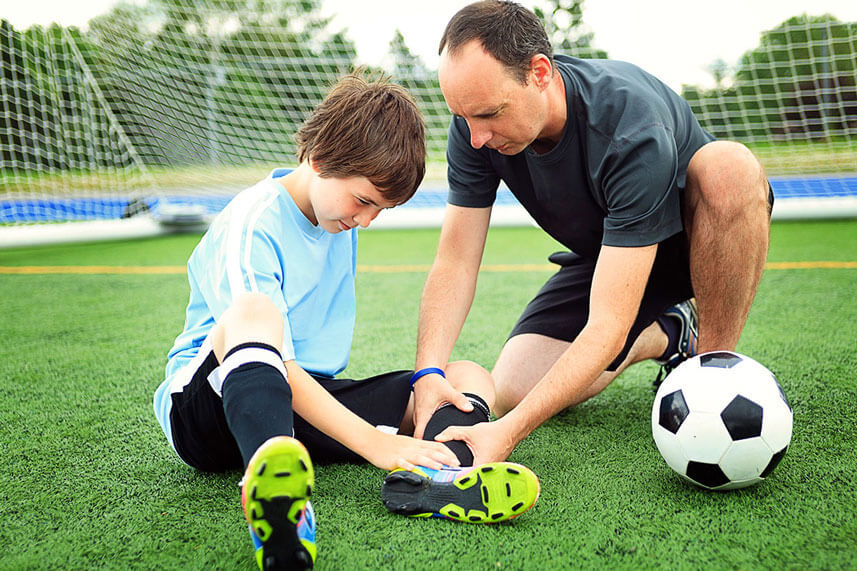


Physical activity is crucial for maintaining overall health, but it also comes with the risk of injury, especially in more competitive or high-impact sports. Understanding how to prevent and respond to sports injuries is key to keeping you in the game and promoting long-term health. In this article, we will discuss common sports injuries and how to prevent them, from the viewpoint of orthopedic services.
Common Sports Injuries
Orthopedic services often treat a range of sports-related injuries, from minor sprains and strains to more severe fractures and dislocations. Overuse injuries, such as tennis elbow or runner’s knee, can develop over time due to repetitive stress without adequate rest. Acute injuries, like ankle sprains or shoulder dislocations, occur suddenly during activity, often from a fall, collision, or awkward movement.
Injury Prevention Strategies
Preventing sports injuries is a multifaceted approach that involves proper training, use of appropriate equipment, and attention to recovery and overall health.
- Proper Training: The importance of proper training cannot be overstated. This involves learning and adhering to the correct technique for your sport, which not only improves performance but also minimizes the risk of injury. Incorporating strength training and flexibility exercises into your routine can also help protect against injury by ensuring your body is strong and supple.
- Appropriate Equipment: Using the correct equipment is another critical factor in injury prevention. This can range from wearing the right footwear to using protective gear like helmets and padding. Each sport has its specific equipment requirements, so it’s essential to understand what these are and adhere to them.
- Adequate Rest and Recovery: Rest is an often overlooked but vital component of injury prevention. Overtraining can lead to fatigue, decreased performance, and increased injury risk. Ensure you have rest days in your training schedule, and listen to your body’s signals for when you need to take a break.
- General Health and Wellness: Lastly, maintaining overall health and wellness can play a role in preventing sports injuries. This includes staying hydrated, eating a balanced diet, getting enough sleep, and managing stress. All these factors contribute to your body’s ability to perform and recover from physical activity.
Recognizing and Responding to Injuries
Even with the best prevention strategies in place, injuries can still occur. Recognizing the signs of an injury and responding appropriately is key to preventing further damage. Signs of a potential injury may include pain, swelling, difficulty moving a joint, or weakness. If you experience these symptoms, it’s important to stop the activity, apply first aid, and seek medical attention as needed.
Orthopedic services play a crucial role in diagnosing and treating sports injuries. If you’ve sustained a significant injury, it’s important to consult with a healthcare professional experienced in orthopedics. They can assess the injury, provide appropriate treatment, and guide you through the rehabilitation process to get you back to your sport safely.
Conclusion
Preventing sports injuries is a key aspect of enjoying your favorite activities and maintaining your physical health. By focusing on proper training, using the right equipment, and paying attention to rest and overall wellness, you can significantly reduce your risk of injury. However, if an injury does occur, remember that orthopedic services are there to provide the care and guidance you need for recovery. Stay safe, stay active, and enjoy your sport.


