







A lot has happened since the COVID-19 era, and current data suggests more people need help with mental health issues than before the pandemic. This is understandable, especially as the pandemic affected many people in different ways. While some lost their loved ones, others lost their jobs or were locked in and couldn’t access the things that made them happy.
Choosing to get help now is understandable. While it is a brave decision, you may wonder whether to choose online or traditional physical counseling. You can visit integratedcounselingandwellness.com/locations/pocatello for both options or a hybrid between online and physical therapy.
Deciding between online and physical therapy boils down to personal preference and how comfortable you are with each option. However, we have compared both options to make it easier for you to choose. Read on.
What is Traditional Therapy?
Traditional physical therapy involves face-to-face meetings with a counselor, preferably at their office or counseling center. This is usually a weekly session held at specific times to review issues and how best to address them.
The time spent with the licensed therapist may differ based on the type of services they offer.
Pros of In-Person Therapy
Nonverbal Communication: Physical counseling and therapy allow the therapist to read more than the words said by the patient. Therapists can read behaviors and other non-verbal reactions or communications that can inform treatment and therapy decisions.
Neutral Location: Physical or in-person therapy allows patients to leave their comfort zone for a neutral location where they are more likely to feel bogged down. This can also improve their experience with the environment and the outside world.
Intensive Support: Physical meetings and therapies allow mental health facilities to deliver direct, intensive therapeutic support to patients. Counselors or therapists can diagnose other issues and address them holistically.
Cons of In-Person Therapy
Cost: The cost of in-person therapy can be high, especially as the patient may also need to deal with the additional commute cost.
Accessibility: Patients may find it harder to access their desired therapists or counselors due to distance. In addition, patients may also need to wait some time before their appointment, which can hinder their productivity in other life areas.
Timing: Physical and in-person counseling is often slated around the counselor or therapist’s open times. This means that the patient may need to shelve other important schedules to meet up with the timing.
What is Online Therapy?
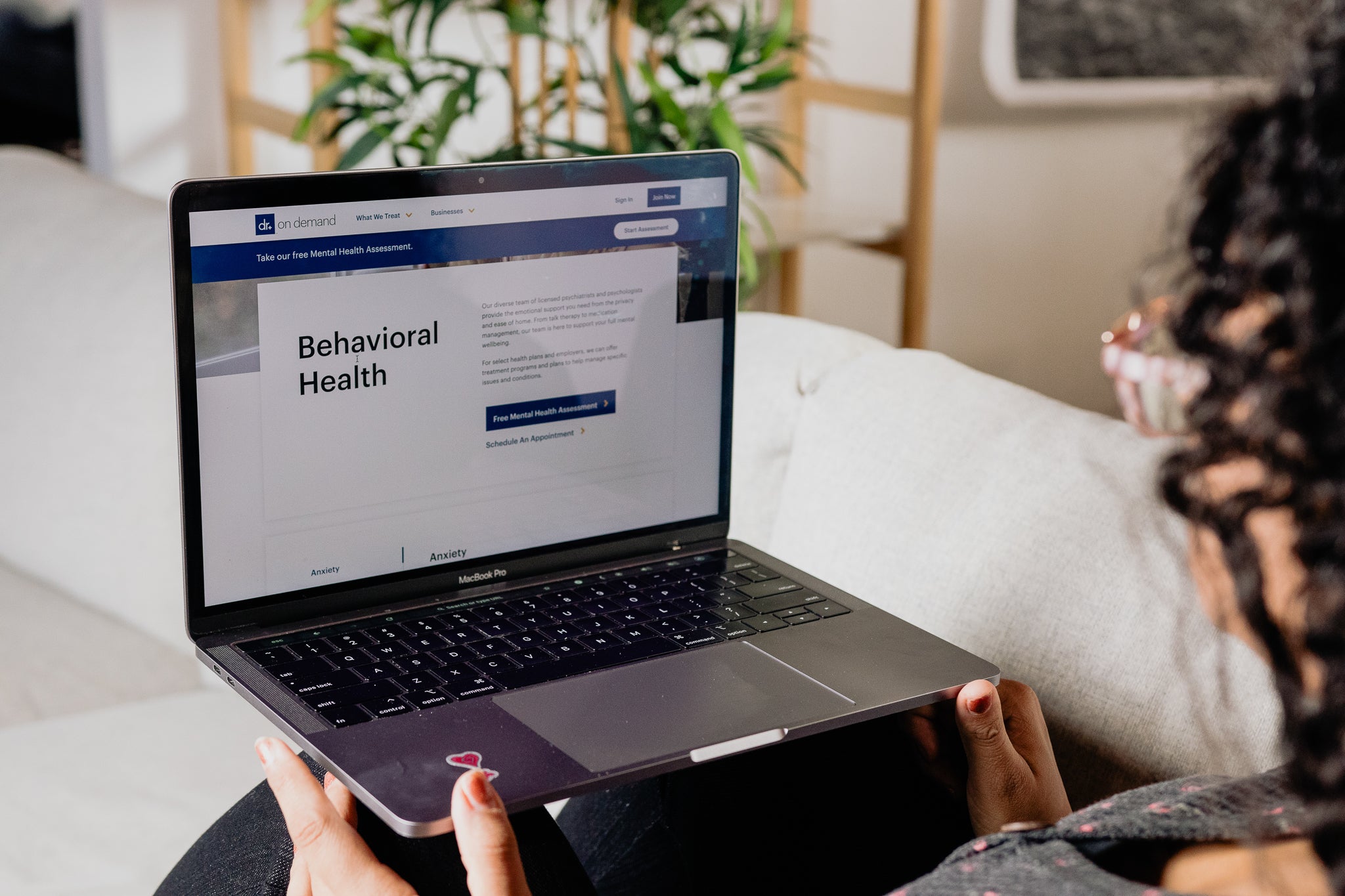
Online therapy is also called teletherapy or virtual therapy. This allows patients to access a wide range of counseling and mental health therapy services without leaving their comfort zone. Unlike physical therapy, this is done over an internet-enabled electronic device.
Online therapy has been around for some years, however, it became more pronounced during the COVID-19 pandemic and the resulting lockdown. It offered people who couldn’t go out a chance to connect with their therapists to work through old and new issues.
Pros of Online Therapy
Cost: Online therapy is generally more affordable compared to physical therapy. Not only are the therapy sessions more affordable on average, patients also don’t have to incur additional costs on transportation or commuting to and from the counseling center.
Flexible: Most online counseling and therapy services are flexible, allowing patients to choose their most preferred payment terms, whether weekly, monthly, or longer-term commitments. This makes the service a lot more affordable for users.
Convenient and Easy Access: Online therapies are convenient as they can be attended from anywhere, whether at home or at work. However, therapists recommend that patients remain in a safe, quiet, and private space for their online counseling sessions. In addition, online therapy is easy to access. One can simply search online for online therapists and narrow the options to get started.
Reduces Stigma: Patients who need help but aren’t ready to be public or vocal about it can reduce the stigma associated with mental health issues by opting for online therapy. This approach allows them to get help in private.
Cons of Online Therapy
Internet-Based: One major setback with online therapy is its reliance on the internet. This means patients may experience additional pressure of being in front of a camera, or they may be cut off from valuable help when their internet is down.
Limit to Care: Online therapies are unlike physical therapies, wherein patients have access to holistic and hands-on help based on verbal and non-verbal communication. With this type of counseling and therapy, patients have access to limited care and may soon require physical sessions for specific health conditions.
Communication Restrictions: There’s a chance that the physical touch and connection may never be established or may take longer to establish with online therapy and counseling classes.
While both physical and online therapy is great options for people needing help with mental health issues, choosing the one that most applies to your needs can help improve the treatment outcome.


