





Retainers play a crucial role in preserving the results of orthodontic treatment, ensuring your teeth stay aligned and your smile remains beautiful. Whether you have a permanent retainer, a clear plastic retainer, or a traditional Hawley retainer, it’s essential to understand the different types of retainers and how to clean them properly to maintain optimal oral hygiene. In this article, we will explore the various types of retainers, the best cleaning methods, and important do’s and don’ts to help you keep your retainer clean, fresh, and effective. Let’s delve into the world of retainer care and discover how to clean retainers!
Types of Retainers
There are three main types of retainers commonly used in orthodontic treatment:
- Permanent Retainers: These retainers are not removable and consist of a wire bonded to the back of your teeth. They are durable and hidden from view, which is a great advantage. However, some people might find them slightly less comfortable compared to other types of retainers. Regular brushing and flossing are essential to keep them clean and prevent tartar and plaque buildup.
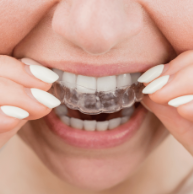
- Clear Plastic Retainers: These retainers, such as Essix, Vivera, and Zendura, are thin, clear, and almost invisible. They fit over your teeth like a shell and are as comfortable as clear aligners. However, it’s crucial to be diligent with cleaning them, as they can accumulate bacteria and plaque if not cleaned regularly.
- Hawley Retainers: These are the most traditional type of retainers. They consist of an acrylic piece that sits in the roof or floor of your mouth, with a wire running across the front of your teeth. Hawley retainers are durable and relatively affordable. You can clean them using a toothbrush and toothpaste. However, some people may find them less comfortable, and they have a visible metal wire.
How To Clean Hawley and Essix Retainers
Cleaning your retainer is essential to maintain good oral hygiene. There are various methods you can use, but some are better than others. Let’s break them down:
Hydrogen peroxide:
Hydrogen peroxide can be a useful retainer cleaner, but it has its upsides and downsides. On the positive side, it acts as an effective antimicrobial agent, helping to get rid of bacteria and improving oral hygiene. Additionally, hydrogen peroxide can remove stubborn stains, making your retainer look better. It’s also readily available and cost-effective. However, caution is essential, as prolonged use may damage certain retainer materials. Dilution is crucial to prevent any adverse effects, and excessive use can lead to brittleness or degradation of the retainer. Some people might experience mild irritation or sensitivity. Before using hydrogen peroxide for your retainer, it’s best to consult with your orthodontist to ensure safe and proper use.
Dilute hydrogen peroxide with water (1:3) to safely and effectively clean your aligners. Prolonged exposure to hydrogen peroxide can harm the aligner material, so opt for short soaking or rinsing instead. Always follow the recommended time frame suggested by your orthodontist or retainer. After cleaning, thoroughly rinse your aligners with water to remove any hydrogen peroxide residue. Be cautious not to overuse hydrogen peroxide, as it can make the aligners brittle and lead to material degradation over time. Adhering to these instructions will help preserve your aligners’ quality and promote oral health.
Fizzy 3-in-1 Foam Cleaner
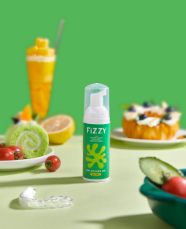
Fizzy 3-in-1 foam cleaner is the perfect retainer cleaner for quick and easy cleaning. The foam retainer cleaner can be used on all clear aligner brands (Invisalign, Bite, Smile Direct Club, Candid, etc), retainers (Essix retainers/clear retainers, Hawley retainers), dental night guards, sports mouthguards and dentures. Fizzy retainer cleaner is free of alcohol, parabens, fluoride, hydrogen peroxide and artificial colors and hence is perfect for people with sensitive gum. No water needed to clean your retainers, clear aligners, mouth guard or dentures. All you need to do is to pump some foam on your retainer, let it sit for a few minutes and rinse with water. For deeper cleaning, use a soft bristle brush to gently brush every detail and corner. It can be also used as a mouthwash, breath freshener and foam toothpaste. Since it’s also TSA compliant and travel friendly, it’s the best retainer cleaner for on-the-go and at home use.
Baking Soda
Baking soda is a safe option for cleaning retainer, but it might not be as effective as specialized cleaning products for tough stains or deep cleaning. Here’s a simple guide on how to use baking soda to clean your aligners:

Achieve clean aligners with ease using baking soda! Just follow these steps: Mix baking soda with water to create a paste, making sure it’s not too watery. Use a soft-bristled toothbrush or an aligner-specific brush to gently brush the aligners, covering all surfaces. Thoroughly rinse the aligners with water after brushing to ensure no baking soda particles are left behind. Be cautious not to over-scrub, as baking soda is generally gentle and excessive scrubbing may cause damage to the material.
Ultrasonic Cleaner
Using an ultrasonic retainer cleaner to clean your retainers is easy and effective. Here’s how to do it:
- Fill the tank: Fill the ultrasonic cleaner’s tank with water, following the instructions provided with the cleaner. Make sure not to overfill it.
- Add cleaning solution (optional): Some ultrasonic cleaners come with special cleaning solutions. If yours does, add the recommended amount to the water in the tank. The cleaning solution enhances the cleaning process and helps remove stubborn stains or bacteria.
- Place the retainer in the tank: Put your retainer in the water-filled tank, ensuring it is fully submerged. You can clean multiple retainers at once, depending on the size of the tank.
- Turn on the cleaner: Turn on the ultrasonic cleaner following the instructions. The cleaner creates tiny vibrations in the water, generating bubbles that gently clean the retainer.
- Wait for the cleaning cycle: Let the cleaner run for the recommended cleaning time. It usually takes a few minutes, but the time may vary depending on the specific ultrasonic cleaner model.
- Rinse the retainer: Once the cleaning cycle is complete, take out the retainer and rinse it thoroughly under running water to remove any residue or cleaning solution.
- Dry and store the retainer: Pat the retainer dry with a soft towel and place it in its designated case to keep it clean until you use it again.
Using an ultrasonic retainer cleaner can help keep your retainers fresh, free from bacteria, and looking clean. Always follow the manufacturer’s instructions and avoid using the cleaner for materials or items not suitable for ultrasonic cleaning.
How Often Should I Clean Retainers?
Cleaning your retainers every day is crucial for good oral hygiene and to keep them free from harmful bacteria. Regular cleaning helps prevent plaque buildup, bad breath, and potential oral health issues. It also ensures your retainers stay in the right position, keeping your teeth aligned effectively during orthodontic treatment.
If you get sick, it’s important to clean your retainers as soon as you recover. Illness can leave harmful bacteria and germs on your retainers, which may cause reinfection or oral health problems if not properly cleaned.
Giving your retainer a deep cleaning at least once a week is recommended. While daily cleaning is important, a deep cleaning removes stubborn plaque, tartar, and debris that regular cleaning might miss. This thorough cleaning ensures your retainer stays fresh and free from harmful bacteria.
How to Clean Permanent Retainers?
Cleaning a permanent retainer is easy and important for good oral hygiene. Here’s a simple guide:
- Brush regularly: Brush your teeth at least twice a day, just like you would without a retainer. Be sure to brush around and over the retainer to remove any food particles or plaque.
- Use floss threaders: Since a permanent retainer is a wire bonded to your teeth, regular floss might not fit between them. Use floss threaders or interdental brushes to clean in between the teeth and the retainer wire.
- Rinse with mouthwash: Rinse your mouth with an alcohol-free mouthwash to help kill bacteria around the retainer and keep your breath fresh.
- Regular dental check-ups: Visit your dentist regularly for check-ups and cleanings. They can clean hard-to-reach areas around the retainer and ensure it’s in good condition.
- Avoid sticky or hard foods: Minimize eating sticky candies or hard foods that could damage the retainer or get stuck in it.
By following these steps, you can keep your permanent retainer clean and maintain excellent oral health.
What Should You NOT Do to Clean Your Retainer
Avoid Hard-Bristle Toothbrushes
Steer clear of using hard-bristle toothbrushes for cleaning your teeth or retainer, as they can be too harsh on your gums and delicate surfaces. Such toothbrushes may lead to gum irritation, recession, and potential enamel scratching or retainer damage. Opt for a soft-bristle toothbrush instead to gently clean your teeth and retainer, ensuring your oral health remains uncompromised.
Skip Toothpaste for Retainer Cleaning
Using toothpaste to clean your retainer can be abrasive and detrimental to its material. Delicate retainers may wear out faster or lose their shape when exposed to harsh toothpaste. To preserve your retainer’s longevity and effectiveness in keeping your teeth aligned, it’s best to utilize gentle, non-abrasive cleaning methods.
Caution with UV Light Sanitizers
While UV light sanitizers can kill some bacteria and viruses, they might not be the ideal choice for retainer cleaning. Limited research exists on their effectiveness in removing plaque, tartar, and debris from retainers. Moreover, exposure to UV light could potentially degrade or discolor retainer materials, compromising their fit and functionality.
Summary
In conclusion, understanding the different types of retainers and adopting proper cleaning techniques is essential for maintaining excellent oral hygiene and the longevity of your retainer. Whether you have a permanent retainer, clear plastic retainer, or Hawley retainer, regular cleaning and maintenance are crucial for keeping your teeth aligned effectively and preventing oral health issues. The use of effective and safe cleaning methods, such as hydrogen peroxide, Fizzy 3-in-1 Foam Cleaner, baking soda, and ultrasonic cleaners, can help ensure your retainer remains fresh, free from harmful bacteria, and in good condition. Remember to follow the manufacturer’s instructions and consult your orthodontist for personalized advice. By prioritizing proper retainer care, you can confidently enjoy the benefits of a healthy and radiant smile for years to come.