





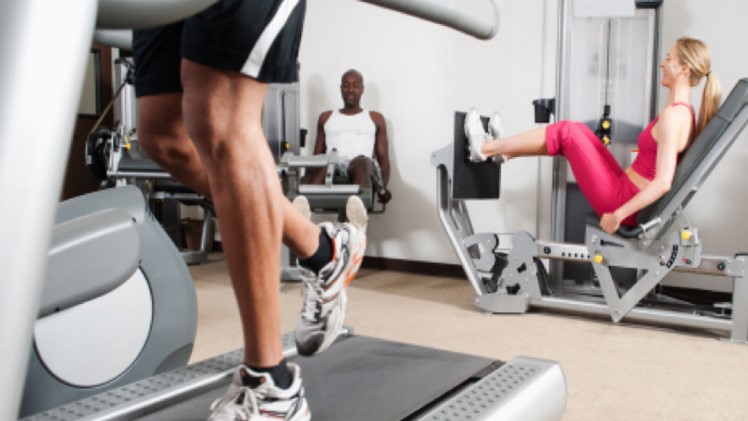


A well-maintained gym ensures that your clients enjoy a safe and effective workout experience. Proper maintenance not only extends the life of your equipment but also reduces the likelihood of injuries. In this comprehensive guide, we will discuss some essential tips for keeping your gym equipment in top shape. So, let’s dive in and explore how you can make sure your gym continues to impress your customers and attract new ones.
Regularly Inspect Your Gym Equipment
Daily Inspections
Start by conducting daily inspections of your gym equipment. This process should include checking for any visible wear and tear, loose bolts, frayed cables, or other issues that could lead to equipment failure. By identifying potential problems early, you can address them before they become serious safety concerns or lead to costly repairs.
Weekly and Monthly Inspections
In addition to daily checks, perform more thorough inspections on a weekly and monthly basis. During these inspections, pay attention to specific components of each piece of equipment, such as lubrication points, moving parts, and electronic components. Keep a detailed log of your inspections to track any recurring issues or patterns of wear.
Clean and Lubricate Your Equipment Regularly
Cleaning Gym Equipment
One of the most crucial aspects of gym equipment maintenance is keeping everything clean. Regularly wipe down all surfaces with a gym-safe disinfectant to prevent the spread of germs and bacteria. Encourage gym members to do the same after each use of the equipment. For electronic components, use a soft, dry cloth to remove dust and dirt.
Lubricating Moving Parts
Lubrication is essential for the smooth operation of your gym equipment. Follow the manufacturer’s recommendations for lubricating specific parts, such as treadmill belts, bike chains, and weight stack guide rods. Using the correct lubricant and applying it properly will help prevent friction, wear, and equipment breakdowns.
Address Repairs Promptly
Repair vs. Replace
When you encounter a damaged or worn piece of equipment, evaluate whether it’s more cost-effective to repair or replace it. Keep in mind that some issues can be resolved with simple fixes, while others may necessitate a complete replacement. Consult the equipment manufacturer or a professional technician for guidance if you’re unsure.
Working with Qualified Technicians
It’s essential to work with qualified technicians when it comes to repairing and maintaining your gym equipment. Look for professionals who are certified by the equipment manufacturers, as they will have the necessary knowledge and expertise to properly address any issues that may arise.
Rotate and Replace Equipment as Needed
Rotating Equipment
To minimize wear and tear on your gym equipment, consider rotating its use. For example, if you have multiple treadmills or stationary bikes, assign different machines to be used on different days. This will help distribute the workload evenly and extend the life of each piece of equipment.
Replacing Worn-Out Equipment
Despite your best maintenance efforts, gym equipment will eventually need to be replaced. Keep an eye on your equipment’s performance and signs of excessive wear, and be prepared to invest in new equipment when necessary. This will not only ensure the safety and satisfaction of your gym members but also help maintain a modern, up-to-date facility.
Educate Your Gym Members
Proper Use of Equipment
One of the most effective ways to keep your gym equipment in top shape is to educate your gym members on the proper use of each machine. Provide clear instructions and guidelines for using the equipment, either through digital signage or during gym orientation sessions. Knowing where to put digital signage on the proper use of equipment will help prevent unnecessary wear and tear, as well as minimize the risk of injuries caused by incorrect usage.
Encouraging Member Responsibility
Encourage your gym members to take responsibility for the equipment they use. This includes wiping down machines after each use, reporting any issues or damage they notice, and refraining from dropping weights or engaging in other potentially harmful behaviors. By fostering a sense of ownership and accountability among your members, you can help ensure that your gym equipment stays well-maintained and safe for everyone to use.
Create a Maintenance Schedule
Planning Regular Maintenance Tasks
A well-organized maintenance schedule is essential for keeping your gym equipment in top shape. This schedule should outline all the necessary tasks, such as daily inspections, weekly and monthly cleaning, and routine lubrication. Assign specific staff members to handle these tasks and keep detailed records to ensure that everything is being completed on time and to the highest standard.
Scheduled Downtime for Maintenance
While regular maintenance is crucial, it’s also important to schedule downtime for more extensive repairs or updates. This may involve temporarily taking a piece of equipment out of service or closing the gym for a short period. Communicate these planned maintenance periods with your gym members well in advance to minimize any inconvenience and maintain a positive relationship with your clientele.
In conclusion, proper maintenance is key to the longevity and performance of your gym equipment. By following the tips outlined in this guide, you can ensure a safe and enjoyable workout experience for your members while protecting your investment in gym equipment. Remember, a well-maintained gym is not only more attractive to new clients but also helps keep your current members satisfied and loyal.


