

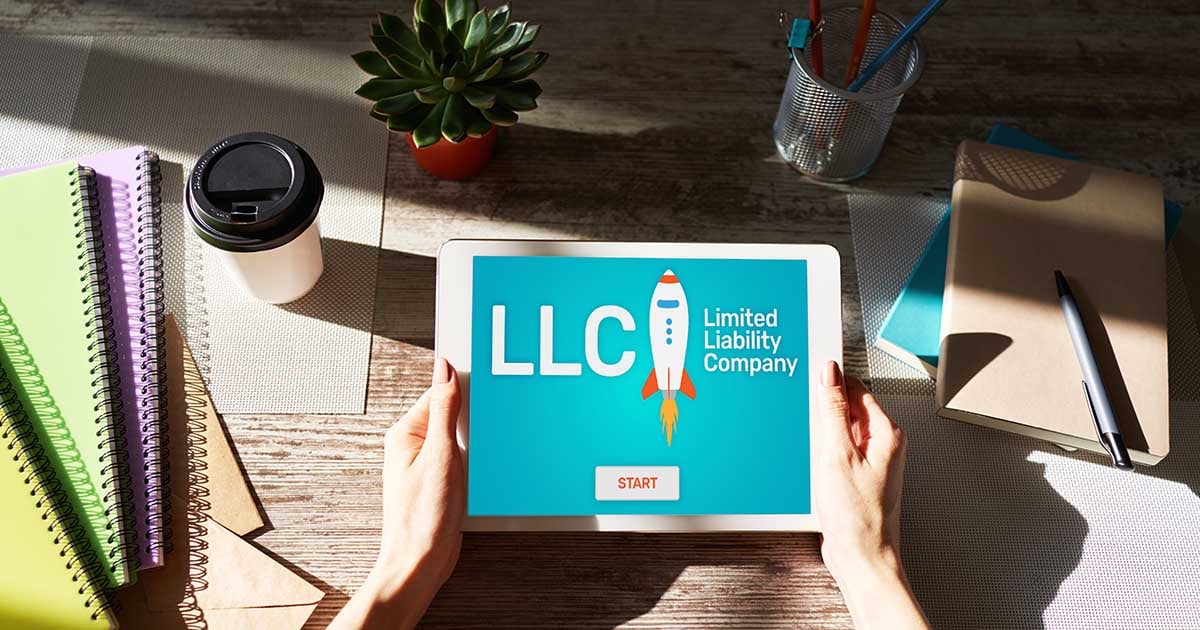

Whether you’re an emerging entrepreneur or an established professional looking to formalize your business, forming a Limited Liability Company (LLC) is a popular choice for many. This legal structure offers flexibility, liability protection, and tax advantages, making it an appealing option for small business owners, contributing towards business growth.
If you’re considering forming an LLC in California, this step-by-step guide will walk you through the process.
Understanding LLCs
Before diving into the steps, let’s grasp the basics.
A Limited Liability Company (LLC) is a business structure that combines elements of a corporation and a partnership or sole proprietorship. It offers limited liability protection to its owners, known as members, shielding their personal assets from business liabilities. At the same time, an LLC allows for flexible management and pass-through taxation.
Steps to Form an LLC in California
-
Step 1: Choose a Name for Your LLC
The first step in forming an LLC in California is selecting a unique business name. Your chosen name must comply with California’s naming requirements. It should be distinguishable from existing businesses in the state and include the phrase “Limited Liability Company,” “LLC,” or “L.L.C.” Additionally, ensure your name doesn’t infringe on trademarks or copyrights.
To check the availability of your desired business name, you can conduct a search on the California Secretary of State’s website. Once you find an available name, you can reserve it for up to 60 days by filing a Name Reservation Request form and paying a small fee.
-
Step 2: Appoint a Northwest Registered Agent
California requires LLCs to have a Northwest Registered Agent for service of process. A NW registered agent is an individual or entity responsible for receiving legal documents, official notices, and other important correspondence on behalf of the LLC. The registered agent must have a physical street address in California and be available during regular business hours.
You can choose to act as your own registered agent, designate a member of the LLC, or hire a professional registered agent service. Ensure the chosen agent is reliable and can fulfill the responsibilities effectively.
-
Step 3: File Articles of Organization
To formally create your LLC, you’ll need to file Articles of Organization with the California Secretary of State. This document outlines essential information about your business, including its name, address, registered agent details, management structure, and purpose.
You can submit the Articles of Organization online through the Secretary of State’s website or by mail. There’s a filing fee associated with this step, which is subject to change, so it’s advisable to check the current fee schedule before submission. Once filed and approved, your LLC officially comes into existence.
-
Step 4: Create an Operating Agreement
Although not mandatory in California, drafting an Operating Agreement is highly recommended for LLCs. This internal document outlines the ownership structure, management responsibilities, voting rights, profit distribution, and other operational procedures of the business. An Operating Agreement helps establish clear guidelines and rules for the LLC, minimizing disputes and misunderstandings among members.
While you can create your own Operating Agreement, seeking legal guidance or using online templates tailored to California laws can ensure it accurately reflects your business needs and complies with state regulations.
-
Step 5: Obtain an EIN and Fulfill Tax Obligations
An Employer Identification Number (EIN) is a unique nine-digit identifier assigned by the IRS to businesses for tax purposes. Even if your LLC doesn’t have employees, obtaining an EIN is necessary for opening a business bank account, filing taxes, and other legal requirements.
You can apply for an EIN online through the IRS website at no cost. Additionally, depending on your business activities, you may need to obtain state and local business licenses, permits, or fulfill specific tax obligations in California.
-
Step 6: Comply with Ongoing Requirements
After forming your LLC, there are ongoing compliance obligations to maintain its good standing in California. These include filing an Initial Statement of Information within 90 days of the LLC’s formation and submitting subsequent Statements of Information biennially. This filing updates the state with current information about your business, such as member details and business address.
Additionally, paying annual franchise taxes is mandatory for LLCs in California. The franchise tax is based on the LLC’s total income earned or collected in the state and is due by a specific deadline each year.
Benefits of Forming an LLC
Forming a Limited Liability Company (LLC) offers several advantages for entrepreneurs such as –
- Limited Liability Protection – An LLC provides personal liability protection, separating the owner’s personal assets from the company’s liabilities. This means that in case of business debts or legal issues, the owner’s personal assets typically remain protected.
- Flexible Management – The flexible management structure of an LLC allows members to choose how they want the business to be managed, either by members themselves or appointed managers.
- Pass-Through Taxation – LLCs offer pass-through taxation, where the company’s profits and losses pass through to the owners’ personal tax returns, avoiding double taxation commonly associated with C-corporations.
- Enhanced Credibility – LLCs also provide credibility and legitimacy to a business, potentially attracting more customers, partners, and investors due to the professional and established structure.
- Less Paperwork – Forming an LLC often involves less paperwork and compliance requirements compared to corporations, reducing administrative burdens and costs, and making it an appealing choice for small to medium-sized businesses seeking limited liability protection with operational flexibility.
Also, check out the tips for starting an LLC for your business.
Final Note
Forming an LLC in California involves several steps, each crucial in establishing a legally recognized business entity. By following this step-by-step guide and ensuring compliance with state regulations, entrepreneurs can set the foundation for their business while enjoying the benefits of limited liability protection and operational flexibility.
Remember, while this guide provides an overview of the LLC formation process in California, seeking professional advice from legal and financial experts can offer tailored guidance specific to your business needs, ensuring a smooth and successful establishment of your LLC in the Golden State.
