





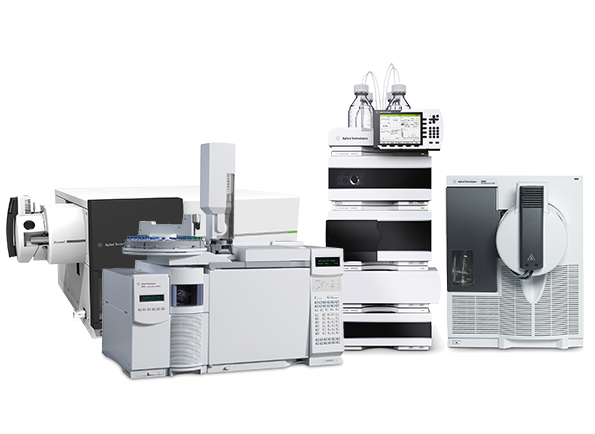


Liquid chromatography mass spectrometry (LCMS) is an analytical chemistry technique that combines the physical separation capabilities of liquid chromatography (LC) with the mass analysis capabilities of mass spectrometry (MS). LCMS is commonly used in chemical analysis, pharmaceutical development, food safety testing, environmental testing and many other fields.
Principles of LCMS
LCMS works by first separating a sample mixture using liquid chromatography. In liquid chromatography, the sample mixture is dissolved in a solvent and pumped through a column containing a stationary phase. As the different components of the sample mixture interact differently with the stationary and mobile phases, they elute out of the column at different rates, causing physical separation.
The separated components are then fed into a mass spectrometer one at a time using an interface. The mass spectrometer then ionizes the sample molecules and sorts them based on their mass-to-charge ratio. This produces a mass spectrum that can be used to identify the separated components based on their molecular weights and fragment patterns. By combining the separation power of LC with the detection power of MS, LCMS enables identification and quantification of molecules in complex mixtures.
Coherent Market Insights discusses the basic principles and applications of LCMS in Liquid Chromatography Mass Spectrometry (LCMS) Market.
Applications of LCMS
Pharmaceutical Analysis
LCMS finds widespread use in pharmaceutical analysis during drug discovery, development and quality control processes. It is used for identification, quantification and purity testing of drug molecules, drug metabolites, degradation products and impurities. This helps in pharmaceutical research, developing drug formulations, batch testing and stability studies.
Environmental Testing
LCMS is an important tool for analyzing environmental contaminants in air, water and soil samples. It can detect and identify pesticides, herbicides, petroleum byproducts, industrial pollutants and other contaminants at trace levels. This aids environmental monitoring, assessing pollution sources and implementing remediation efforts.
Forensic Toxicology
In forensics andtoxicology laboratories, LCMS plays a key role in analyzing toxic substances and their metabolites in various biological samples like blood, urine, tissue etc. It helps investigate poisoning cases, driving under influence, workplace accidents and more by identifying ingested or absorbed toxic compounds.
Food Safety Testing
From ensuring pesticide residue levels to detecting adulteration and authenticating food products, LCMS based techniques are extensively used in food safety testing. It helps enforce food regulations and standards through tests on meats, grains, dairy products, juices and other food items.
Biomedical Research
Metabolomics and proteomics research rely heavily on the identification and quantification capabilities of LCMS. It aids study of biomarkers, drug metabolism, disease progression and more. LCMS tools have also found uses in fields like microbiology, environmental health and materials chemistry research.
Market Outlook
The global LCMS market has grown significantly over the past decade due to wide uptake of these systems across industries. Factors driving this growth include rising need for advanced analytical tools in R&D activities, stringent regulations in industries like food, pharmaceuticals and environment, and increasing investments in research related to metabolomics and proteomics. According to a research report published on Coherent Market Insights, North America currently dominates the global LCMS market share followed by Europe and Asia Pacific. However, China and other Asian countries are expected to offer highest growth opportunities for LCMS vendors due to increasing investments in science and technology sectors. With continued technological advancements and expanding application areas, the LCMS market is projected to witness steady growth worldwide in the coming years.


