





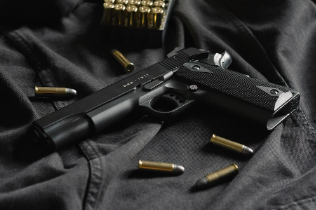


In the unsettling event that your firearm is misplaced or falls into the wrong hands, it’s crucial to act responsibly and adhere to legal guidelines.
Understanding the steps to take not only ensures your safety but also helps maintain public security.
This article aims to guide you through the process, offering practical and legal advice for such a scenario. Let’s navigate this challenging situation with clarity and responsibility.
Immediate Actions to Take
When you realize your firearm is missing, the first thing to do is stay calm. It’s essential to retrace your steps and search thoroughly. If the firearm is indeed lost or stolen, immediately report it to local law enforcement.
Provide them with all the relevant details, including the make, model, serial number, and any identifying characteristics of the firearm.
This step is not just a civic duty but often a legal requirement in many jurisdictions. Prompt reporting can prevent potential misuse and aid in the recovery process.
Understanding the Risks of Stolen Firearms
Stolen firearms pose a serious threat to public safety. They often end up in the wrong hands, used in criminal activities, or sold on the black market. It’s a sobering thought that a weapon you once owned could be used to harm others.
In this scenario, if the weapon was used before you bought it, the authorities might interrogate you and ask how can you tell if a firearm is stolen. You could respond by telling them you checked its history before purchasing, along with a clearance certificate, since most reputable sellers use online databases and services that track stolen firearms.
Always be vigilant and ensure that any firearm transaction is legal and transparent.
Legal and Administrative Procedures
After reporting the theft or loss, the next step is to navigate the legal and administrative procedures. You’ll likely need to fill out specific forms or reports for your local law enforcement agency or firearm regulatory authority.
It’s crucial to provide accurate information to facilitate the investigation. Additionally, inform your insurance company if the firearm was insured. Keep records of all communications and documents related to the incident, as they might be needed for future reference.
Prevention and Safekeeping
To prevent such incidents, it’s vital to practice safe firearm storage and handling. Use secure storage solutions like safes or lockboxes, and consider installing security systems in your home. Educate yourself and others in your household about firearm safety.
Regularly check and maintain your storage systems to ensure they are functioning correctly. Remember, the responsibility of owning a firearm extends to its security and safekeeping.
Collaboration with Law Enforcement
After you’ve reported your missing or stolen firearm, maintaining communication with law enforcement is key. They are your primary ally in this situation. Keep them updated with any new information that might surface and be responsive to their inquiries.
In turn, they will guide you through the process, keeping you informed about the investigation’s progress. Remember, law enforcement officers have experience and resources that are invaluable in these circumstances. Building a cooperative relationship with them not only aids in recovering your firearm but also contributes to preventing future thefts.
Legal Consequences and Responsibilities
It’s crucial to understand the legal implications of a lost or stolen firearm. Depending on your jurisdiction, failing to report the loss or theft of a firearm can lead to legal consequences, including fines or even criminal charges.
Furthermore, if your firearm is used in a crime and you haven’t reported it missing, you could potentially face legal scrutiny. It’s essential to be aware of and comply with all local and federal regulations regarding firearm ownership and reporting.
This not only protects you legally but also underscores the importance of responsible gun ownership.
Engaging with Community and Awareness Programs
In the wake of a stolen or lost firearm, engaging with community safety and awareness programs can be a proactive step. Many communities have programs and workshops that focus on firearm safety and theft prevention.
Participating in these programs not only increases your knowledge but also helps in building a safer community. By sharing your experience, you can educate others about the importance of firearm security and the risks associated with stolen guns.
Additionally, community engagement can provide emotional support and practical advice from others who might have faced similar situations.
Navigating Insurance and Financial Aspects
If your firearm was insured, navigating the insurance claim process is an important step. Contact your insurance provider to understand the coverage details for stolen or lost firearms. They will guide you through the process of filing a claim, which typically involves providing a police report and proof of ownership.
Understanding the terms of your insurance policy beforehand can ease this process. Also, consider the financial aspects of replacing your firearm, if necessary. Research the market and be aware of the legal requirements for purchasing a new firearm, ensuring that you stay compliant with all regulations.
Impact on Personal Security and Mental Health
The loss or theft of a firearm can have significant implications for your personal sense of security and mental well-being. It’s natural to feel vulnerable or anxious in such situations. It’s important to address these feelings, perhaps by enhancing home security measures or seeking support from family, friends, or professional counselors.
This incident can serve as an impetus to reassess your personal security strategy, including considering alternatives or additions to firearms for home defense. Recognizing and managing the psychological impact is as crucial as dealing with the practical aspects of the situation.
Future Prevention Strategies and Education
After experiencing the loss or theft of a firearm, it’s essential to focus on prevention strategies to avoid recurrence. Educate yourself about advanced security measures, like biometric gun safes or modern alarm systems.
Stay informed about the latest trends in firearm theft and loss prevention. You might also consider attending or organizing community seminars on firearm safety and theft prevention. Sharing knowledge and experiences can empower you and your community to better protect against similar incidents in the future. Remember, continuous education and awareness are key components of responsible firearm ownership.
Conclusion
Losing a firearm or having it stolen is a serious matter that requires immediate and responsible action. By following legal procedures, reporting promptly to authorities, and taking preventive measures, you can mitigate risks and contribute to public safety.
Let’s always remember that owning a firearm comes with significant responsibilities, and its security is paramount in maintaining a safe community


