





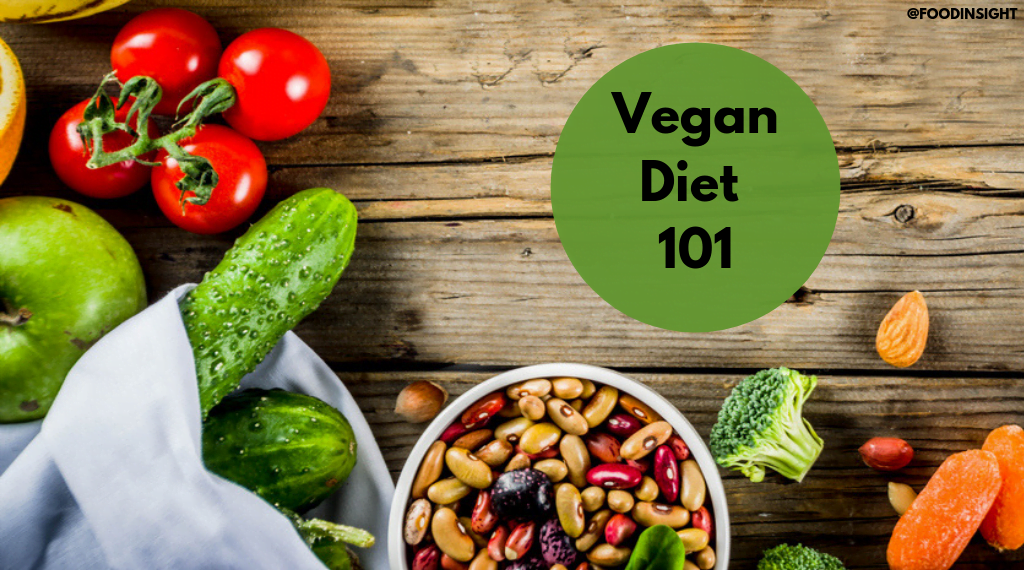


Veganism is gaining popularity as people become more health-conscious. The practice of veganism requires individuals to avoid consuming any animal-derived products, such as meat, dairy, and eggs. Is a plant-based diet really healthier than a traditional omnivorous diet, as it is often claimed?
Omega 3 Capsules and Veganism
A vegan diet may lack omega 3 fatty acids, which is a common concern. Essential fatty acids play a crucial role in maintaining brain function, promoting heart health, and mitigating inflammation. Vegans need to look for alternative sources of omega 3s since they do not consume fish. Some options include flaxseed, chia seeds, or omega 3 capsules made from algae-based supplements.
Research has indicated that the blood of vegans contains lower levels of omega 3 fatty acids in comparison to those who consume both plant and animal products. Vegans can meet their omega 3 needs through careful planning and supplementation. Incorporating omega 3 capsules into a vegan diet is a great way to obtain essential fatty acids.
The Benefits of a Vegan Diet
A vegan diet has been linked to various health benefits. Vegans have been found to have lower rates of heart disease, high blood pressure, and type 2 diabetes. The reason for this is the vegan diet’s high fiber content and low levels of saturated fat.
A vegan diet can aid in weight loss and enhance digestion. Vegan foods are a good option for those who want to manage their calorie intake as they are typically low in calories and high in fiber. This can help you feel satiated without consuming excess calories. The presence of high fiber content in the food promotes healthy digestion and helps in maintaining regular bowel movements.
It is important to understand that simply following a vegan diet does not guarantee a healthy lifestyle. While a vegan diet may exclude animal products, it’s important to note that a diet high in processed foods, refined carbohydrates, and added sugars may not be the healthiest option. Consuming a variety of whole foods, such as fruits, vegetables, whole grains, legumes, and nuts, is essential to meet all of your nutrient needs.
The Importance of Multivitamin Tablets for Vegans
Although a vegan diet can be nutritionally complete, certain vitamins and minerals may be challenging to acquire. Vitamin B12 is a crucial nutrient for nerve function and red blood cell production, and it is mainly present in animal products. To meet their vitamin B12 requirements, vegans should either consume fortified foods or take vitamin B12 supplements.
Vegans may find it challenging to obtain sufficient amounts of iron, which is an essential nutrient. Iron from animal products is more easily absorbed by the body compared to iron from plant-based sources. However, plant-based sources of iron are available. Consuming iron-rich foods such as leafy greens, beans, and fortified cereals is important for vegans to ensure they are meeting their iron requirements. Taking an iron supplement can be beneficial for their health and should be considered as an option.
To ensure that all nutrient needs are met, vegans may want to consider taking a multivitamin tablet, along with vitamin B12 and iron. A multivitamin that is properly formulated can offer essential vitamins and minerals like calcium, vitamin D, zinc, and iodine that might be challenging to get solely from a vegan diet.
Myths and Facts About Veganism
The topic of veganism involves various myths and misconceptions that require clarification. The user suggests examining some of the most frequently occurring items.
Myth: Veganism is only for hippies and tree-huggers.
Fact: Veganism is a lifestyle that promotes health, environmental sustainability, and animal welfare. It is suitable for anyone who values these aspects. A vegan lifestyle is being chosen by individuals from diverse backgrounds.
Myth: Vegans can’t get enough protein.
Fact: A plant-based diet can provide enough protein for vegans to meet their daily requirements. Vegans can obtain protein from various sources such as beans, lentils, tofu, tempeh, nuts, and seeds.
Myth: Veganism is expensive.
Fact: Following a vegan diet can be equally cost-effective as a typical omnivorous diet. Plant-based staples like rice, beans, and lentils are affordable options.
Myth: Vegans can’t build muscle.
Fact: It is possible for vegans to build muscle by following an appropriate diet and exercise plan. Beans and tofu are good sources of plant-based protein that can aid in muscle growth and recovery.
Conclusion
Veganism is a viable option for individuals who prioritize health and ethics. A vegan diet can provide all the necessary nutrients if planned and supplemented carefully. To maintain a healthy diet, it is essential to consume a diverse range of whole foods while avoiding processed and refined foods, as with any other dietary plan. Consulting with a registered dietitian is recommended when making significant dietary changes to ensure that all nutrient requirements are being met.


