

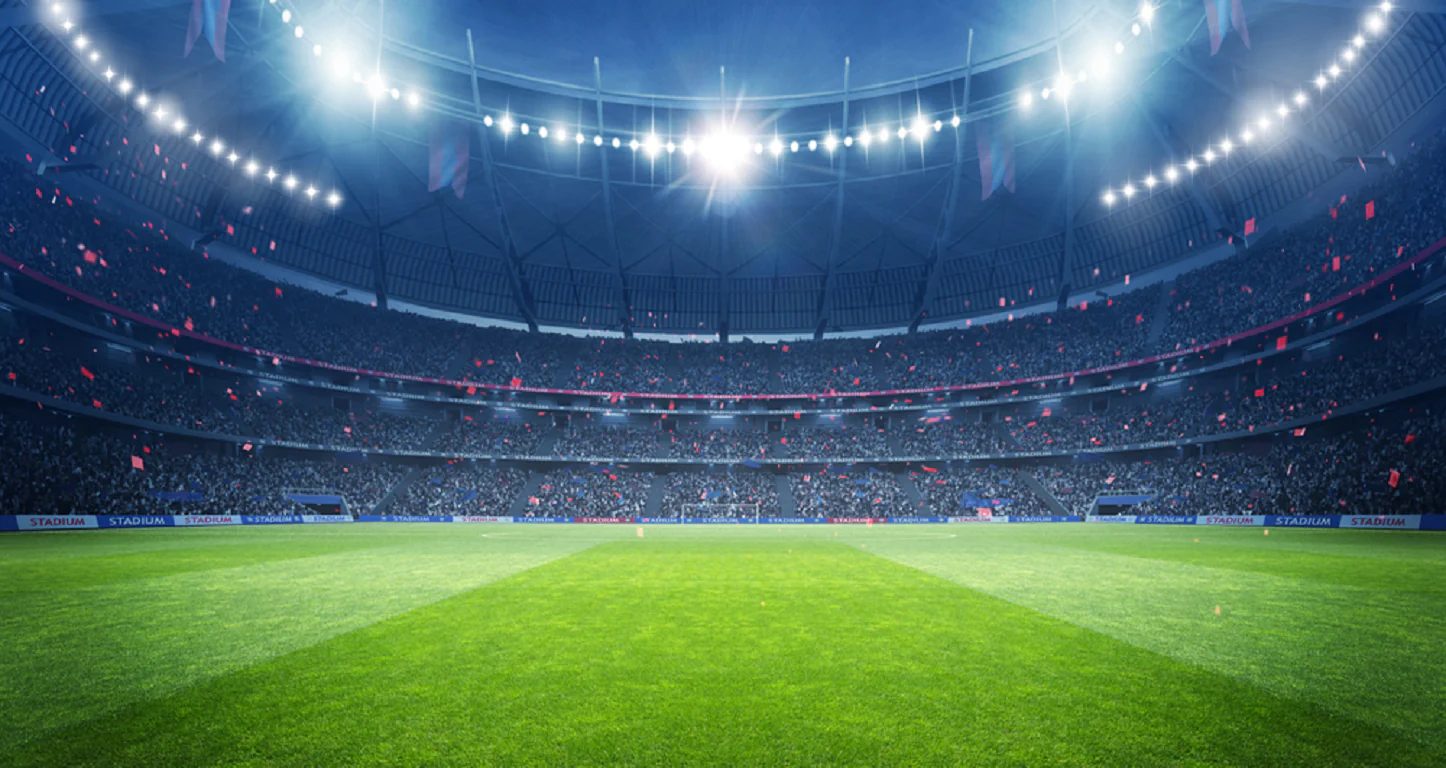

The use of light-emitting diodes, or LEDs, as the source of illumination in sports arenas and stadiums has caused a sea change in the industry. They offer lighting that is bright and efficient, which improves the watching experience for spectators while simultaneously reducing the amount of energy used and the expenses associated with upkeep. LED arena lights have seen several advancements in recent years, including new technologies and features that improve both their performance and their usage. In this piece, we will go over some of the most recent advancements that have been made in LED arena lighting, as well as the characteristics that you should look for when choosing lights for your sports venue.
LED Lighting Technology
LEDs have been around for decades, but recent advancements in technology have made them the go-to choice for arena lights. LED lights are energy-efficient, long-lasting, and emit bright, white light that mimics natural daylight. They are also more environmentally friendly than traditional lighting sources such as metal halide lamps, which contain hazardous materials and require frequent replacement.
One of the latest innovations in LED technology is the use of chips with a high color rendering index (CRI). CRI measures how accurately a light source reproduces colors compared to natural light. A high CRI value means that colors appear more vivid and true to life. This is especially important for sports arenas where team colors and uniforms need to be accurately represented.
Another recent development in LED technology is the use of tunable white lighting. This allows the user to adjust the color temperature of the light from warm to cool, depending on the time of day or the activity taking place in the arena. For example, a cooler color temperature may be used for hockey games to enhance the ice’s appearance, while a warmer temperature may be used for basketball games to create a more inviting atmosphere.
Optical Design
The optical design of LED arena lights is critical to their performance. The design affects how the light is distributed throughout the arena and how much glare is produced. A well-designed optical system will ensure that the lighting is uniform, with no dark spots or areas of excessive brightness.
One recent innovation in optical design is the use of individual optics for each LED chip. This allows for precise control of the light distribution, ensuring that the light is evenly distributed throughout the arena. It also minimizes glare, making it easier for athletes and spectators to see the action on the field or court.
Another optical design innovation is the use of asymmetric optics. These optics direct the light in a specific direction, such as towards the field or court, rather than allowing it to scatter in all directions. This results in more efficient lighting, as less light is wasted illuminating areas that don’t need it.
Controls And Dimming
The ability to control and dim LED arena lights is another innovation that has improved their usability and energy efficiency. LED lights can be dimmed to various levels, allowing for precise lighting control and energy savings. For example, during a rehearsal or practice session, the lights can be dimmed to save energy while still providing enough illumination for the athletes to see.
LED arena lights can also be controlled remotely, allowing for easy adjustment of the lighting levels and color temperature from a central location. This is especially useful for multi-use arenas that host different sports and events, each with its lighting requirements.
Wireless controls are another recent innovation that simplifies the installation and management of LED arena lights. With wireless controls, there is no need for wiring between the lights and the control panel, reducing installation time and costs. It also allows for more flexibility in positioning the lights, as they can be moved without the need to rewire them.
Thermal Management
One of the challenges of LED lighting is managing the heat generated by LED chips. LED chips produce less heat than traditional lighting sources, but they still need to be cooled to ensure their longevity and performance. Overheating can cause the LED chips to degrade or fail, reducing the light output and shortening the life of the lights.
To address this issue, manufacturers have developed innovative thermal management systems for LED arena lights. These systems use heat sinks, fans, and other cooling mechanisms to dissipate heat and maintain a consistent temperature for the LED chips. This ensures that the lights remain bright and efficient, even during extended use.
Some of the latest innovations in thermal management include the use of liquid cooling systems and phase change materials. Liquid cooling systems use a liquid, such as water or oil, to transfer heat away from the LED chips. This allows for more efficient cooling and can result in longer-lasting LED arena lights. Phase change materials use materials that change from a solid to a liquid state as they absorb heat, providing a more efficient cooling mechanism than traditional heat sinks.
Smart Lighting
Smart lighting is another recent innovation in LED arena lights. Smart lighting systems use sensors and algorithms to adjust lighting levels based on occupancy, time of day, and other factors. This can result in significant energy savings, as the lights are only used when needed.
One example of a smart lighting system for sports arenas is the use of occupancy sensors. These sensors detect when people are in the arena and adjust the lighting levels accordingly. For example, during a game, the lights will be at full brightness, but during a break or between games, the lights can be dimmed to save energy. Smart lighting systems can also be integrated with other building systems, such as HVAC and security systems, to provide a more comprehensive and efficient building management solution.
Wireless Connectivity
Wireless connectivity is another innovation that is changing the way LED arena lights are installed and managed. Wireless connectivity allows for easy communication between the lights and the control system, eliminating the need for wiring between the lights and the control panel.
Because of this, the process of installing LED arena lights is made easier, and the time and money required to do so are cut significantly. Because the lights may be moved without having to be rewired, it also makes it possible to have more flexibility in the arrangement of the lights.
Conclusion
Innovation in LED arena lights is rapidly advancing, with new technologies and features that enhance their performance, energy efficiency, and usability. The latest advancements in LED lighting technology, optical design, controls and dimming, thermal management, smart lighting, and wireless connectivity are changing the way sports arenas and stadiums are illuminated.
When selecting LED arena lights for your facility, it is important to consider these latest innovations and choose lights that offer the features and capabilities that will provide the best lighting solution for your needs. Whether you are looking for energy savings, improved lighting quality, or greater flexibility in managing your lighting system, there is an LED arena light solution available that will meet your requirements.
