






In our quest for a sustainable future, innovations in energy tracking have taken center stage. Among these innovations, smart meters have emerged as a transformative technology that promises to revolutionize how we monitor and manage energy consumption. With a strong focus on efficiency and conservation, smart energy meters have the potential to significantly impact our energy landscape. In this article, we delve into the world of smart meters, exploring their benefits, functionality, and their role in shaping a greener tomorrow.
The global push for sustainability has led to a renewed focus on optimizing energy consumption. Enter smart meters, a pivotal innovation that aims to transform the way we measure, monitor, and manage our energy usage. These devices go beyond traditional utility meters by providing real-time data, empowering consumers to make informed decisions about their energy habits. As we delve into the intricacies of smart energy meters, it becomes evident that they are a critical component of the sustainable future we strive for.
Understanding Smart Meters
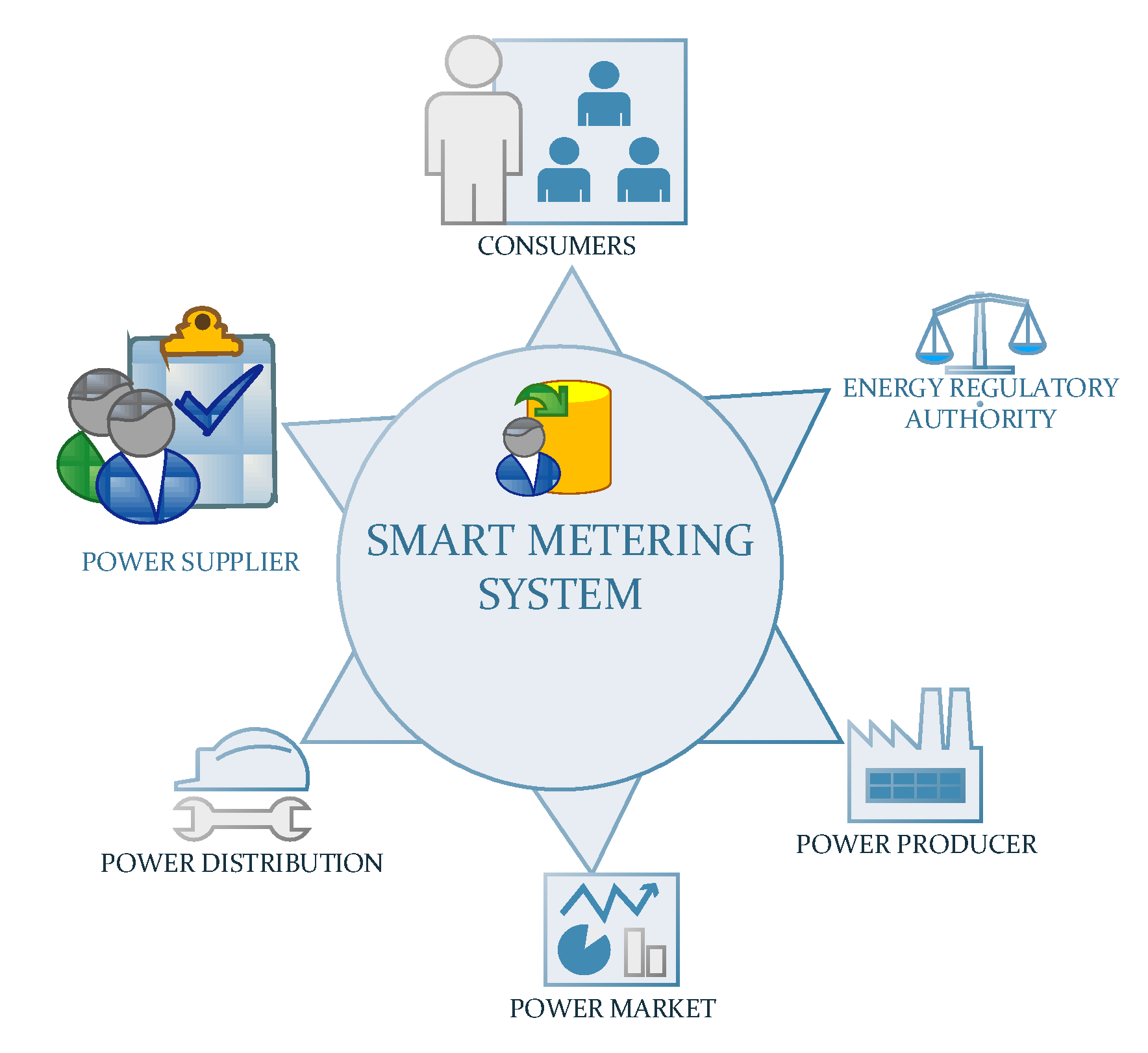
At its core, a smart meter is a digital device that measures energy consumption in a more sophisticated manner than traditional meters. It records data on electricity, gas, or water usage and communicates this data back to utility companies. Unlike conventional meters, smart meters offer two-way communication, enabling a seamless flow of information between consumers and utility providers. This communication facilitates the timely detection of outages, accurate billing, and the potential for demand-response programs.
How Smart Meters Work
Smart meters leverage cutting-edge technology, including wireless communication and data analytics, to provide real-time insights into energy usage. These meters are equipped with sensors that capture consumption data at regular intervals. This data is then transmitted securely to utility companies, eliminating the need for manual meter reading. Consumers can access this data through web portals or mobile apps, giving them an unprecedented level of visibility and control over their energy consumption.
Benefits of Smart Energy Meters
-
Energy Consumption Awareness
Smart meters empower consumers by making them aware of their energy consumption patterns. By visualizing their usage data, individuals can identify energy-intensive behaviors and make conscious efforts to reduce waste.
-
Accurate Billing
Traditional meters often lead to estimated billing, causing discrepancies between actual usage and billed amounts. Smart meters eliminate this issue by providing real-time data, ensuring accurate billing based on actual consumption.
-
Demand Response
Smart meters enable demand-response programs, allowing utilities to incentivize consumers to reduce their energy usage during peak demand periods. This not only reduces strain on the grid but also helps consumers save on energy costs.
-
Reduced Carbon Footprint
By promoting energy efficiency, smart meters contribute to a reduced carbon footprint. When consumers use energy more efficiently, power plants produce less energy overall, resulting in fewer greenhouse gas emissions.
Deployment and Challenges
The widespread adoption of smart meters comes with its set of challenges.
-
Infrastructure Requirements
Deploying smart meters requires a significant upgrade to existing infrastructure. This involves replacing old meters with new ones capable of two-way communication, as well as implementing the necessary data collection and management systems.
-
Data Privacy and Security
As smart meters collect granular data about individual consumption habits, concerns about data privacy and security have arisen. Protecting this data from unauthorized access and ensuring its responsible use are crucial aspects of smart meter deployment.
Smart Meters and the Environment
-
Fostering Renewable Integration
Smart meters play a vital role in integrating renewable energy sources into the grid. They enable utilities to monitor and manage the intermittent nature of renewables, ensuring a stable and reliable energy supply.
-
Empowering Prosumers
Smart meters empower prosumers – individuals who both consume and produce energy through solar panels or other renewable sources. These users can monitor their production and consumption, optimizing their energy usage and potentially selling excess energy back to the grid.
Future Prospects and Innovations
-
Advanced Data Analytics
The data collected by smart meters holds immense value for utilities and consumers alike. Advanced data analytics can uncover usage patterns, helping utilities plan for peak demand and consumers make even more informed decisions about their energy habits.
-
Grid Modernization
Smart meters are a cornerstone of grid modernization efforts. They enable utilities to monitor and control the grid more effectively, reducing downtime and enhancing overall efficiency.
-
Blockchain Integration
Blockchain technology could further enhance the capabilities of smart meters. By providing an immutable and transparent ledger of energy transactions, blockchain ensures trust and security in energy trading and billing.
Overcoming Barriers to Adoption
-
Cost Concerns
One of the primary barriers to smart meter adoption is the initial cost. While smart meters offer long-term benefits, the upfront investment can be a deterrent for both consumers and utility companies.
-
Public Awareness
Many consumers are still unfamiliar with smart meters and their advantages. Raising public awareness through educational campaigns is essential for driving widespread adoption.
Policy and Regulation
-
Incentive Programs
Governments and utility companies often offer incentive programs to encourage the adoption of smart meters. These programs may include rebates, reduced energy rates, or other financial incentives.
-
Standardization
Standardizing smart meter technology and data protocols is crucial for interoperability and ensuring that different devices and systems can communicate seamlessly.
Conclusion
Innovations in energy tracking have brought us the remarkable technology of smart meters, paving the way for a sustainable future. By empowering consumers with real-time data, promoting energy efficiency, and fostering the integration of renewable sources, smart energy meters are a key player in the transition to a greener world. As we overcome challenges and harness the potential of these devices, we move closer to a future where energy is managed intelligently and sustainably.


