


Introduction
Cerebral palsy is a disorder that affects movement, muscle tone, and coordination. It is caused by damage to the brain before, during, or shortly after birth. People with cerebral palsy face many challenges in their daily lives but now advances in technology have promoted the development of assistive devices from Accelera that can significantly improve their quality of life. These devices are designed to help individuals with cerebral palsy overcome physical limitations and participate more fully in society. In this article, we will explore some of the assistive devices available for people with cerebral palsy and how they can make a significant difference in their lives.
- Mobility Devices
One of the most common challenges faced by individuals with cerebral palsy is mobility. Many people with cerebral palsy have difficulty walking or have limited mobility in their lower limbs. Mobility devices such as wheelchairs, walkers, and canes can greatly enhance their independence and allow them to move around more freely.
Wheelchairs are particularly beneficial for individuals with severe mobility impairments. There are manual wheelchairs that require self-propulsion and power wheelchairs that are motorized. Power wheelchairs are especially useful for those who lack the upper body strength or coordination to propel themselves in a manual wheelchair. These devices not only provide individuals with cerebral palsy the ability to move independently but also reduce the risk of falls and injuries.
- Communication Aids
Communication can be a significant challenge for individuals with cerebral palsy, especially if they have difficulty speaking. Assistive devices such as communication aids can help them express themselves and interact with others more effectively. Augmentative and alternative communication (AAC) devices, for example, use technology to support or replace speech for individuals with communication impairments. These devices can range from simple picture communication boards to complex computer-based systems that generate speech.
AAC devices can be customized to meet the specific needs of each individual. They can be operated through switches, touchscreens, or eye-gaze technology, depending on the person’s abilities and preferences. These devices not only improve communication but also enhance social interaction and participation in educational and vocational settings.
- Orthotic Devices
Orthotic devices are designed to provide support, stability, and alignment to individuals with cerebral palsy. They can help improve posture, prevent contractures, and enhance mobility. Orthoses can be custom-made or off-the-shelf, depending on the individual’s needs and the severity of their condition.
Ankle-foot orthoses (AFOs) are commonly prescribed for individuals with cerebral palsy who have difficulty with foot and ankle control. AFOs help stabilize the ankle and foot, improving balance and reducing the risk of falls. Other orthotic devices, such as knee braces and wrist splints, can also be used to provide support and stability to specific joints affected by cerebral palsy.
- Adaptive Tools for Daily Living
Performing daily activities can be challenging for individuals with cerebral palsy due to limitations in motor skills and coordination. Adaptive tools and assistive devices for daily living can make these tasks more manageable and improve independence.
For example, modified utensils with larger handles and built-up grips can help individuals with limited hand dexterity and strength to eat independently. Dressing aids such as buttonhooks and zipper pulls can assist with the challenges of getting dressed. Adaptive equipment for bathing and toileting, such as grab bars and raised toilet seats, can enhance safety and ease of use.
- Assistive Technology for Education and Work
Assistive technology plays a crucial role in supporting individuals with cerebral palsy in educational and work settings. These devices help overcome barriers and enable full participation.
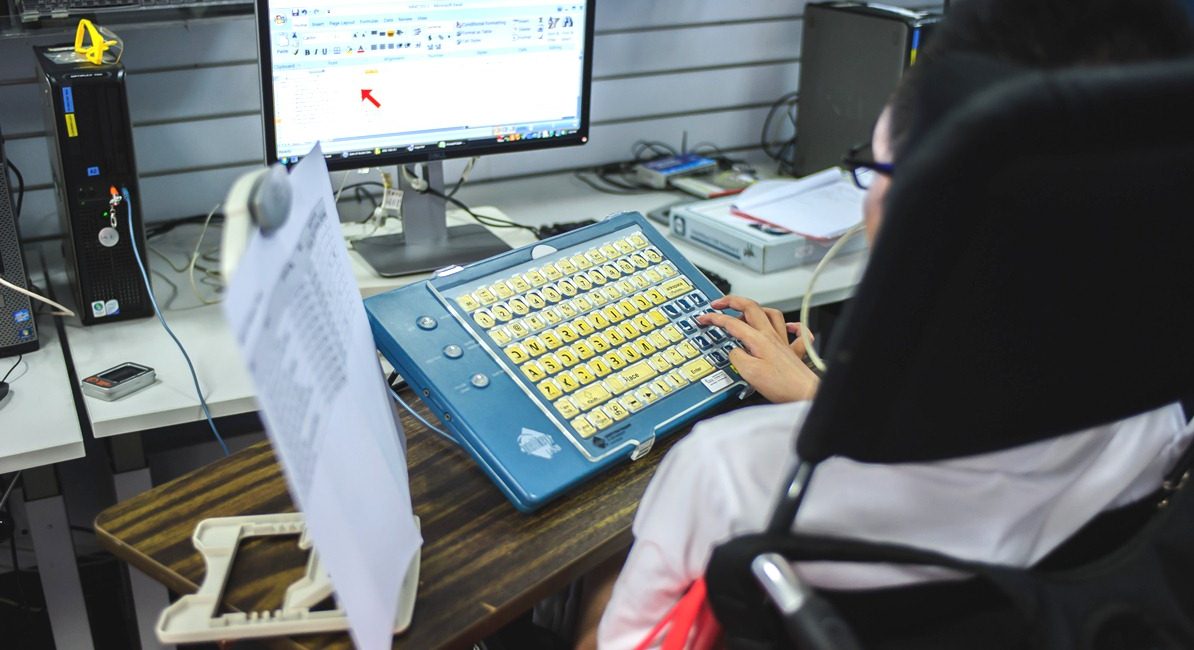
In educational settings, assistive technology can include speech-to-text software, text-to-speech software, and alternative keyboards or mice for individuals with physical limitations. These tools allow students with cerebral palsy to access curriculum materials, participate in class discussions, and complete assignments more independently.
In the workplace, assistive technology can include voice recognition software, ergonomic keyboards, and adjustable workstations. These devices enable individuals with cerebral palsy to perform their job tasks more efficiently and comfortably, promoting inclusion and productivity.
Conclusion
Assistive devices for cerebral palsy have revolutionized the lives of individuals with this condition, improving their quality of life and enhancing their independence. From mobility devices to communication aids, orthotic devices to adaptive tools for daily living, and assistive technology for education and work, these devices have the power to transform the way individuals with cerebral palsy navigate the world around them. As technology continues to advance, it is crucial to ensure that these devices are accessible and affordable to all who need them, allowing individuals with cerebral palsy to reach their full potential and thrive in society.
