



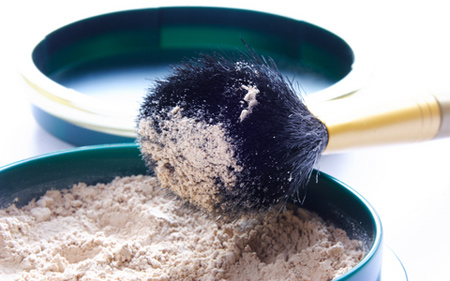


Loose powder is one of the most versatile makeup essentials, yet it is often under-used or misunderstood. Whether you prefer a natural, soft-focus finish or a more set, long-lasting base, loose powder can enhance your routine in multiple ways. With the right application methods and a few useful techniques, you can achieve a smoother, more refined look that complements both everyday and occasion makeup.
Why Loose Powder Deserves a Place in Your Routine
Using loose powder is particularly helpful for setting liquid or cream-based products and ensuring they stay in place throughout the day. Its finely milled texture helps absorb excess oil, giving the skin a more balanced appearance. A small amount can go a long way in helping your makeup last longer, especially in warm or humid weather.
When used correctly, loose powder also prevents creasing around areas such as under the eyes or around the nose. It creates a soft matte effect that still looks natural and comfortable. For those who prefer a lightweight alternative to compact powders, loose versions offer a more breathable finish.
What Makes Laura Mercier Loose Powder a Preferred Choice
Products like Laura Mercier loose powder are often praised for their smooth and silky texture. A finely milled powder blends seamlessly without emphasising dry patches, which makes it suitable for a range of makeup styles. Many users appreciate how effortlessly it sets the base, providing a soft-focus finish ideal for daily wear.
The texture of high-quality loose powder can enhance the overall appearance of your makeup, giving it a polished yet natural effect. When applied sparingly, it allows the foundation and concealer beneath to remain visible while still providing enough setting power for long-lasting comfort.
Setting Your Base: Application Techniques
To get the best results, start by applying loose powder after foundation and concealer. Use a fluffy brush to lightly dust powder across the face. Concentrate on the T-zone if you tend to experience shine during the day. For a more precise finish, a tapered brush can help reach smaller areas around the nose and eyes.
For those who prefer extra longevity, the pressing method can be particularly effective. Take a makeup sponge and press a small amount of powder into the areas where makeup tends to crease. This technique gives a more controlled, budge-proof finish while still maintaining a soft look.
Baking: When to Use It and When to Skip It
Baking is a technique often used for special occasions or long events. It involves applying a generous amount of loose powder to areas like under the eyes and letting it sit for several minutes before brushing it away. This helps brighten the area and lock the makeup in place.
However, baking is not always necessary for everyday routines. If your skin feels dry or you prefer a lightweight finish, a light dusting will be sufficient. The key is to choose an approach that suits your preferred makeup style and comfort level.
Loose Powder for Mid-Day Touch-Ups
Loose powder can also be your best friend during touch-ups. If your makeup begins to appear shiny or uneven, gently blot the area before adding a sheer layer of powder. This prevents build-up and ensures the finish stays smooth throughout the day.
Final Thoughts
Making the most of loose powder is about understanding how much to use and where to apply it. When chosen well and used correctly, it becomes an essential tool for creating a smooth, long-lasting makeup base. With the right techniques, your overall look can appear more refined, balanced, and effortlessly polished.