





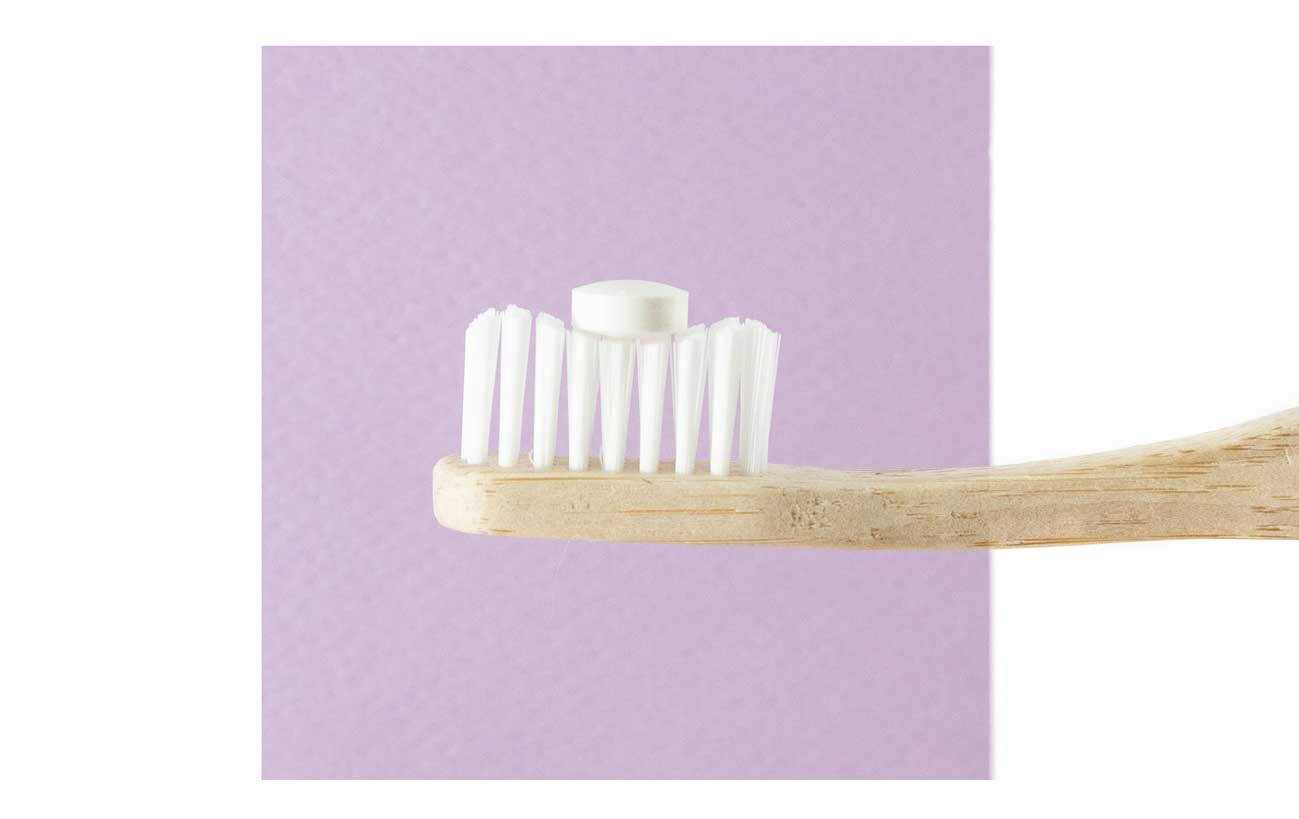


In today’s world, where sustainability and eco-friendliness are becoming increasingly important, starting a business that promotes environmentally conscious products can be a rewarding venture. One such business opportunity lies in the realm of toothpaste tablets and bamboo toothbrushes. In this article, we will explore the steps to establish a successful business with these sustainable oral care products.
What are Toothpaste Tablets?
Toothpaste tablets are a modern innovation in oral care. They are small, solid tablets that contain the same active ingredients as traditional toothpaste, such as fluoride and antibacterial agents. However, unlike regular toothpaste that comes in a paste or gel form, toothpaste tablets are designed to be chewed or crushed between the teeth.
When chewed or crushed, toothpaste tablets create a foaming action, similar to traditional toothpaste, which helps in cleaning the teeth and gums. The foaming action helps to distribute the toothpaste’s active ingredients throughout the mouth, ensuring thorough cleaning and freshening of breath.
Toothpaste tablets come in various flavors, allowing individuals to choose their preferred taste. They are usually packaged in small, portable containers, making them convenient for travel or on-the-go use. Many toothpaste tablets are also formulated with natural ingredients and are free from artificial additives, making them a popular choice for those seeking a more natural oral care option.
Benefits of Toothpaste Tablets
Portability and Convenience: Toothpaste tablets are compact and lightweight, making them highly portable. They are ideal for travel, as they take up less space and are not subject to liquid restrictions like traditional toothpaste. Whether you’re going on a weekend getaway or a long trip, toothpaste tablets can easily fit into your bag or pocket.
Reduced Plastic Waste: One of the significant environmental benefits of toothpaste tablets is their minimal packaging and reduced plastic waste. Traditional toothpaste tubes are typically made of plastic that is difficult to recycle. In contrast, toothpaste tablets often come in recyclable or compostable packaging, helping to minimize environmental impact and promote sustainability.
Precise Dosage: Toothpaste tablets are designed in pre-measured doses, ensuring that you use the right amount of toothpaste for effective cleaning. This eliminates the guesswork involved in squeezing out the appropriate amount of toothpaste from a tube, helping to prevent both underuse and waste.
Improved Oral Health: Toothpaste tablets contain the same active ingredients found in traditional toothpaste, such as fluoride, which helps prevent tooth decay and strengthen tooth enamel. By brushing with toothpaste tablets, you can maintain good oral health and enjoy the benefits of fluoride protection.
Fresh Breath: Toothpaste tablets are available in various flavors, offering a refreshing and pleasant taste. The foaming action of toothpaste tablets helps to freshen breath by effectively removing bacteria and food particles from the mouth, leaving a clean and minty sensation.
Long Shelf Life: Toothpaste tablets have a longer shelf life compared to traditional toothpaste. Their solid form helps to preserve the active ingredients and prevent drying or degradation, ensuring that the tablets remain effective and usable for an extended period.
Great for All Ages: Toothpaste tablets are suitable for children, adults, and individuals with special oral care needs. Their convenient format and appealing flavors make brushing teeth more enjoyable for children, encouraging good oral hygiene habits from an early age.
The Environmental Impact of Traditional Toothpaste and Plastic Toothbrushes
Traditional toothpaste and plastic toothbrushes have a significant environmental impact throughout their lifecycle. Here’s an overview of their environmental consequences:
Plastic Pollution: Plastic toothbrushes are primarily made from non-biodegradable materials, such as polypropylene and nylon. These materials take hundreds of years to decompose in the environment, contributing to the global plastic pollution crisis. Many plastic toothbrushes end up in landfills or are improperly disposed of, eventually finding their way into oceans, rivers, and other ecosystems.
Landfill Accumulation: The disposal of plastic toothbrushes adds to the growing volume of waste in landfills. With billions of toothbrushes being discarded each year globally, their accumulation in landfills poses a long-term environmental challenge. As plastic breaks down over time, it can release harmful chemicals and microplastics, further impacting soil and water quality.
Resource Depletion: The production of traditional toothpaste and plastic toothbrushes involves the extraction and consumption of finite resources. The extraction of petroleum, a key component in plastic production, contributes to habitat destruction, carbon emissions, and climate change. Additionally, the manufacturing process requires energy and water, further straining natural resources.
Energy Consumption and Carbon Emissions: The production, transportation, and disposal of traditional toothpaste and plastic toothbrushes contribute to greenhouse gas emissions. Manufacturing plastic products involves energy-intensive processes, releasing carbon dioxide and other greenhouse gases. The transportation of these products across long distances also adds to their carbon footprint.
Microplastic Pollution: Some traditional toothpaste formulations contain microbeads, which are tiny plastic particles added for exfoliation. When rinsed off during brushing, these microbeads can enter water bodies, posing a threat to aquatic life. These microplastics can be mistaken for food by marine organisms, leading to ingestion and bioaccumulation in the food chain.
Packaging Waste: Traditional toothpaste often comes in plastic tubes that are difficult to recycle. These tubes often end up in landfills, contributing to plastic waste. Plastic toothbrushes also come in plastic packaging, adding to the overall waste generated. The production and disposal of these packaging materials contribute to environmental degradation.
Considering the environmental impact of traditional toothpaste and plastic toothbrushes, there is a growing need to shift towards more sustainable alternatives. Bamboo toothbrushes and toothpaste tablets, for example, offer eco-friendly options that reduce plastic waste, promote biodegradability, and utilize renewable resources. Making these switches can contribute to mitigating the environmental impact of oral care products and support a more sustainable future.
How to Start a Business with Toothpaste Tablets and Bamboo Toothbrushes
This section serves as the core of the article, guiding aspiring entrepreneurs on the essential steps to establish a business in this niche market.
- Research and Market Analysis
We emphasize the importance of conducting thorough market research and analysis to identify target demographics, consumer preferences, and potential competitors.
- Sourcing High-Quality Products
Here, we provide insights on sourcing toothpaste tablets supplier and bamboo toothbrushes from reputable manufacturers or suppliers. We discuss the importance of quality assurance and the significance of certifications.
- Branding and Packaging
This section highlights the significance of branding and packaging in establishing a unique identity for the business. We discuss strategies to create compelling brand messaging and eco-friendly packaging solutions.
- Marketing and Promotion Strategies
Under this heading, we explore various marketing techniques to reach the target audience effectively. We discuss digital marketing, social media engagement, influencer collaborations, and other promotional strategies.
- Distribution and Sales Channels
Here, we provide guidance on selecting appropriate distribution channels and sales strategies. We discuss options such as e-commerce platforms, retail partnerships, and subscription models.
- Building a Sustainable Business Model
In this section, we emphasize the importance of integrating sustainability into the business model. We discuss considerations such as ethical sourcing, waste reduction, and giving back to the community.
- Overcoming Challenges
Starting any business comes with challenges, and the toothpaste tablet and bamboo toothbrush industry are no exception. We address common hurdles and provide insights on overcoming them, such as regulatory compliance and market saturation.
How to Choose Good Toothpaste Manufacturer
When selecting a good toothpaste manufacturer, there are several factors to consider. Here’s a guide to help you make an informed decision:
Quality and Safety: Look for manufacturers that prioritize quality and safety in their products. Ensure that the manufacturer follows stringent manufacturing processes, adheres to industry standards, and uses high-quality ingredients. Check if they have certifications or accreditations that attest to their commitment to quality.
Research and Reputation: Conduct thorough research on potential manufacturers. Look for reviews, testimonials, and feedback from other businesses or customers who have worked with them. A reputable manufacturer should have a positive reputation, with satisfied clients and a track record of delivering quality products.
Product Range and Customization: Consider the variety of toothpaste and toothpaste tablets they offer. A manufacturer with a diverse product range can provide you with more options to cater to different customer preferences. Additionally, check if they offer customization options, allowing you to create unique formulations or packaging designs tailored to your brand.
Manufacturing Capacity and Scalability: Evaluate the manufacturing capacity of the manufacturer. Ensure they have the capability to handle your production requirements and meet your business’s growth needs. Consider factors such as production volume, lead times, and scalability to accommodate potential future expansions.
Compliance and Certifications: Verify if the manufacturer complies with relevant regulations and industry standards. This includes adherence to Good Manufacturing Practices (GMP), proper labeling, and compliance with health and safety regulations. Look for certifications like ISO 9001 or other relevant certifications specific to oral care products.
Sustainability and Ethics: Consider the manufacturer’s commitment to sustainability and ethical practices. Look for indications that they prioritize environmentally friendly manufacturing processes, waste reduction, and responsible sourcing of ingredients. This aligns with the values of eco-conscious consumers and can enhance the reputation of your business.
Communication and Collaboration: Assess the manufacturer’s communication style and willingness to collaborate. Effective communication is crucial for a successful partnership. Ensure that they are responsive, transparent, and open to discussing your specific requirements, timelines, and any concerns or questions you may have.
Samples and Testing: Request product samples to evaluate the quality and performance of the manufacturer’s toothpaste and toothpaste tablets. Conduct your own testing or consider independent laboratory testing to ensure the products meet your expectations and comply with relevant standards.
Cost and Pricing: While cost is an important consideration, it should not be the sole determining factor. Compare the pricing structure of different manufacturers, considering factors such as product quality, customization options, and additional services provided. Strive to find a balance between cost-effectiveness and product quality.
By considering these factors, you can choose a reputable toothpaste and toothpaste tablets manufacturer that aligns with your business goals, quality standards, and sustainability values. It’s recommended to conduct due diligence and, if possible, establish a relationship through initial discussions or visits to their manufacturing facilities.
Conclusion
Starting a business with toothpaste tablets and bamboo toothbrushes offers a unique opportunity to contribute to environmental sustainability while meeting consumer demand for eco-friendly oral care products. By following the outlined steps and embracing a sustainable business model, aspiring entrepreneurs can build a successful venture in this growing market.


