





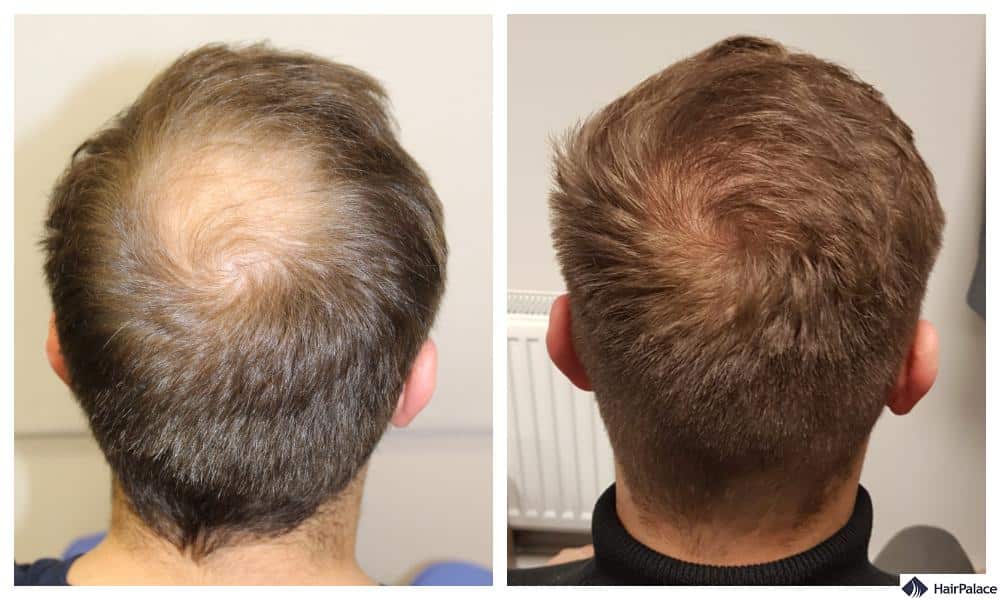


You’ve decided to undergo a hair transplant in Turkey, which is renowned for its advanced techniques and successful outcomes. But, what comes next is equally crucial – maintaining those results. Let’s explore the essential steps to ensure longevity, effectiveness and maintaining the best hair transplant in Turkey results.
Turkey is not just a tourist destination but a hub for hair transplant surgeries. Techniques like FUE and FUT have placed Turkey at the forefront of hair restoration. Understanding these procedures will help you appreciate the post-care regimen.
In the first 24 hours post-transplant, your scalp will be delicate. It’s essential to avoid touching the transplanted area, engage in light activities, and follow your surgeon’s advice meticulously to prevent dislodging the grafts.
Hygiene and Wound Care
Maintaining hygiene is paramount. Your doctor, with the help of a medical tourism agency like Flymedi, you will be instructed on gently cleaning your scalp and identifying signs of infection. Remember, a clean wound is a healing wound.
Post-hair transplant, your body requires a period of rest to facilitate healing and allow the transplanted grafts to anchor securely. During the initial recovery phase, typically lasting for a few weeks, it’s crucial to follow these guidelines:
-
Sleep Positioning: Elevate your head for the first few nights to avoid swelling and pressure on the transplanted area. Use multiple pillows or a recliner chair to maintain a semi-upright position.
-
Activity Restrictions: Limit physical activity, especially anything strenuous, as it can increase blood pressure and risk dislodging the grafts. Gentle walking is acceptable, but avoid bending over, heavy lifting, or vigorous exercise.
-
Scalp Protection: Protect your scalp from direct sunlight and environmental irritants. Wearing a loose-fitting hat outdoors is advisable after the initial few days post-surgery.
-
Managing Discomfort: Some degree of discomfort is normal. Follow your doctor’s advice regarding pain management, typically involving over-the-counter painkillers. Avoid taking anti-inflammatory drugs, as they can interfere with the healing process.
-
Avoiding Certain Habits: Smoking and alcohol consumption can impede healing by restricting blood flow to the scalp. It’s advisable to avoid these activities for at least a few weeks after your transplant.
Nutrition and Hydration
Adequate nutrition and hydration play a pivotal role in healing and the growth of new hair follicles:
-
Protein-Rich Foods: Protein is essential for hair growth. Include lean meats, fish, eggs, dairy products, and legumes.
-
Vitamins and Minerals: Vitamins A, C, and E, along with minerals like zinc and iron, are vital for hair growth. Fruits, vegetables, nuts, and seeds are excellent sources of these nutrients.
-
Omega-3 Fatty Acids: Foods rich in omega-3 fatty acids, like salmon, mackerel, flaxseeds, and walnuts, can enhance scalp health.
-
Adequate Hydration: Water is crucial for eliminating toxins from your body and for maintaining healthy skin and hair. Aim for at least 8-10 glasses of water daily.
-
Avoiding Certain Foods: Reduce intake of sugary foods, processed items, and high-sodium snacks, as they can hinder the healing process.
-
Learn the art of gentle hair washing. Use the recommended shampoos and conditioners that are gentle on your scalp and nourishing for your hair.
Long-Term Hair Maintenance
Maintaining your hair transplant results over the long term requires consistent care:
-
Regular Washing: Once fully healed, wash your hair regularly to keep the scalp clean and healthy. Use gentle, sulfate-free shampoos.
-
Avoid Harsh Chemicals: Limit hair dyes, bleach, and chemical treatments. If necessary, use them sparingly and preferably under professional guidance.
-
Regular Trims: Regular haircuts help maintain hair health and appearance. Trimming does not affect the transplanted hair but can help blend it seamlessly with existing hair.
-
Protection from the Elements: Prolonged exposure to sun, wind, and pollution can damage hair. Use hats or protective hair products when outdoors for extended periods.
-
Healthy Lifestyle: Continue to lead a healthy lifestyle. Regular exercise, a balanced diet, and adequate sleep all contribute to maintaining the overall health of your hair.
-
Monitoring Hair Health: Regular check-ups with your hair specialist can help address any issues early on and provide guidance on continued hair care.
By adhering to these expanded guidelines in the areas of Rest and Recovery, Nutrition and Hydration, and Long-Term Hair Maintenance, you can significantly enhance and prolong the results of your hair transplant in Turkey. Remember, the longevity of your transplant results is not just about the procedure but also about how well you take care of your health and hair afterward.
Regular check-ups with your transplant team in Turkey are crucial. They will guide you through the recovery process and help you address any concerns.
Lifestyle Considerations
Stress management and good sleep patterns are vital for maintaining healthy hair. Avoid smoking and excessive alcohol consumption, as these can negatively impact your transplant results.
Patience is key. It may take several months to a year to see the full results of your transplant. Understand that this is a journey; each step is crucial to achieving the desired outcome.
By following these guidelines, you’re well on your way to enjoying long-lasting, beautiful results. Remember, the success of your transplant is as much in your hands as it was in your surgeon’s. Stay committed to your care regimen, and watch your confidence grow along with your new hair.


