

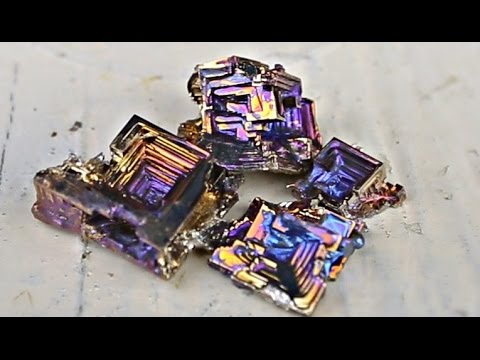

In the fascinating world of crystal growth, Bismuth crystals stand out as a unique and captivating choice. Their iridescent, rainbow-like surface and intricate geometric shapes make them a sought-after collector’s item and a mesmerizing scientific project. If you’ve ever wondered how to grow Bismuth crystals, this comprehensive guide will take you through the process step by step, combining both the art and science behind creating these stunning formations.
What Are Bismuth Crystals?
Bismuth is a chemical element with the symbol “Bi” and atomic number 83. It’s a brittle, lustrous, and crystalline metal with a white, silver-pink hue. Bismuth crystals, when grown with the right technique, exhibit a myriad of vibrant colors and a distinctive, geometric, hopper-like structure. The hopper shape appears as a series of nested, stair-step structures, creating an otherworldly appearance.
These crystals have a low melting point, which is a key factor in their unique growth process. Bismuth is known for its excellent diamagnetic properties, meaning it repels magnetic fields. This makes it an intriguing material for experimentation and display. Growing Bismuth crystals is not only a delightful hobby but also an excellent way to explore the principles of chemistry and crystallography.
Materials You’ll Need
Before we dive into the step-by-step process of growing Bismuth crystals, let’s gather the necessary materials. You’ll need:
1. Bismuth Metal
The primary ingredient, Bismuth metal, can be purchased online or from chemical suppliers. Ensure that it is of high purity, as impurities can affect crystal growth.
2. Safety Gear
Safety should always be a priority. Use gloves, safety goggles, and work in a well-ventilated area to avoid inhaling any fumes or dust.
3. Heat Source
You’ll need a heat source like a Bunsen burner or a propane torch to melt the Bismuth. Always follow safety guidelines when working with an open flame.
4. A Heat-Resistant Container
A heat-resistant container, such as a stainless steel or cast iron pot, is required to melt and cool the Bismuth.
5. Molds
To shape your Bismuth crystals, prepare some silicone molds or other heat-resistant, non-stick containers.
6. Optional Dyes
If you want to add colors to your crystals, consider using metal oxide dyes. These can enhance the visual appeal of your Bismuth crystals.
The Step-by-Step Guide to Growing Bismuth Crystals
Now that you have your materials ready, let’s delve into the process of growing crystal bismuth.
Step 1: Safety First
Wear your safety gear. Put on gloves to protect your hands and safety goggles to shield your eyes from potential splatters or fumes. Ensure you’re working in a well-ventilated area.
Step 2: Melting the Bismuth
Place the Bismuth metal in your heat-resistant container and use your chosen heat source to melt it. Bismuth melts at a relatively low temperature of around 271.4 degrees Celsius (520.5 degrees Fahrenheit). Once melted, be cautious as it will be extremely hot.
Step 3: Adding Color (Optional)
If you wish to add colors to your crystals, you can do so at this stage. Just sprinkle a small amount of metal oxide dye into the molten Bismuth and stir it gently to achieve the desired hue.
Step 4: Cooling and Crystallization
After adding color (if desired), let the molten Bismuth cool slowly. As it cools, crystals will form on the surface. You can facilitate the growth of larger crystals by pouring out the remaining liquid Bismuth while the crystal formation is still in progress.
Step 5: Demolding
Once the Bismuth has completely cooled and solidified, carefully remove the crystals from the molds. You may need to gently tap the molds or use a soft mallet to help release them.
Step 6: Admire and Display
Congratulations! You’ve successfully grown Bismuth crystals. Admire their iridescent beauty and unique geometric shapes. You can display your crystals as art pieces or add them to your mineral collection.
The Science Behind Bismuth Crystal Growth
To truly appreciate the art of growing Bismuth crystals, it’s essential to understand the science behind the process. The growth of these unique crystals is influenced by several factors:
Bismuth’s Low Melting Point
One of the key factors that make Bismuth crystals so intriguing is the element’s low melting point. At just over 270 degrees Celsius, Bismuth becomes molten, allowing for relatively easy manipulation and crystallization. As it cools, Bismuth forms a unique hopper structure due to the differences in temperature and growth rate at different points on the crystal’s surface.
Diamagnetism
Bismuth’s strong diamagnetic properties are responsible for the way it repels magnetic fields. This can create challenges when attempting to grow Bismuth crystals in a magnetic field, as the field exerts a force against the crystal’s growth. However, it’s this very property that makes Bismuth crystals such a unique addition to any collection.
The Role of Impurities
The purity of the Bismuth metal used is crucial to the quality of the crystals. Impurities in the Bismuth can lead to irregular crystal growth and affect their appearance. Always source high-purity Bismuth for the best results.
Adding Colors
The option to add colors to your Bismuth crystals is an exciting aspect of the growing process. Metal oxide dyes can be used to create a wide range of vibrant hues. Experimenting with different dyes allows you to achieve the desired visual effect, turning your Bismuth crystals into unique works of art.
Tips for Successful Bismuth Crystal Growth
While growing Bismuth crystals can be an enjoyable and rewarding experience, there are a few tips to keep in mind for a successful outcome:
1. Patience Is Key
Growing Bismuth crystals is not an instant process. You’ll need to allow sufficient time for the Bismuth to cool and form crystals. Rushing can result in smaller or less impressive formations.
2. Maintain Safety Precautions
Always prioritize safety. The use of safety gear, a well-ventilated workspace, and adherence to safety guidelines for handling heat sources is essential.
3. Experiment with Colors
Don’t be afraid to experiment with different metal oxide dyes to achieve the colors you desire. This adds a creative and artistic dimension to your Bismuth crystal-growing endeavors.
4. Learn from Failures
Not every attempt at growing Bismuth crystals will be perfect. If your first try doesn’t yield the results you want, take it as a learning experience. Analyze what went wrong and adjust your technique accordingly.
5. Display Your Crystals
Once you’ve successfully grown Bismuth crystals, display them proudly. Their unique appearance and captivating colors make them an excellent conversation piece and a great addition to any collection.
The Appeal of Bismuth Crystals
Bismuth crystals have gained popularity not only for their scientific significance but also for their aesthetic charm. Here’s why they are so appealing:
1. Aesthetically Pleasing
Bismuth crystals are a visual treat. Their vibrant, iridescent colors and intricate, hopper-like structure make them a striking addition to any display.
2. Unique Growth Process
The process of growing Bismuth crystals is unlike that of most other crystals. The hopper shape is an intriguing and captivating feature, and the ability to add colors adds a level of creativity to the endeavor.
3. Educational Value
Growing Bismuth crystals provides a hands-on opportunity to explore principles of chemistry, crystallography, and materials science. It’s an educational and engaging project for both students and enthusiasts.
4. Collectible
Bismuth crystals are highly collectible. Their uniqueness and scarcity make them desirable to collectors of minerals and crystals.
5. Decorative
As art pieces, Bismuth crystals can be a stunning addition to your home decor. Their vivid colors and intricate patterns create an eye-catching visual effect.
Analyzing Your Bismuth Crystal Growth
To gain a deeper understanding of your Bismuth crystal growth, you can take an analytical approach. Here are some aspects to consider:
Crystal Size and Shape
Measure and analyze the size and shape of your Bismuth crystals. Document any variations in shape or size between different crystals. This can provide insights into the crystallization process.
Coloration
If you’ve used metal oxide dyes to add color to your crystals, assess the effectiveness of the dyes. Determine which combinations produce the most vibrant and visually appealing results.
Crystal Quality
Examine the overall quality of your crystals. Look for imperfections or irregularities in the hopper structure. High-quality Bismuth crystals are prized among collectors.
Growth Rate
Take note of the growth rate of your crystals. Factors such as cooling time and temperature variations can impact the growth rate, affecting the appearance of the final crystals.
Environmental Conditions
Consider the environmental conditions in which you grew your Bismuth crystals. Temperature, humidity, and air quality can all play a role in the crystal formation process.
Advanced Bismuth Crystal Techniques
For those who want to take their Bismuth crystal-growing skills to the next level, there are more advanced techniques to explore:
1. Controlled Cooling
Experiment with controlled cooling methods to manipulate the growth of your crystals. Gradually and precisely lowering the temperature can lead to larger and more impressive formations.
2. Multicolored Crystals
Create multicolored Bismuth crystals by carefully layering different colors of molten Bismuth. This advanced technique requires precision and patience but can yield stunning results.
3. Crystal Twins
Explore the possibility of growing crystal twins by introducing controlled interruptions during the crystallization process. This can result in symmetrical and visually appealing formations.
4. Magnetic Field Growth
Challenge yourself by attempting to grow Bismuth crystals in the presence of a magnetic field. The repelling properties of Bismuth can create unique and visually fascinating results.
