


As technology continues to advance, businesses are relying more heavily on digital communication and data transfer. This has led to an increased demand for reliable and efficient cabling solutions. Choosing the right cabling solution for your needs can be a daunting task, especially if you don’t have a strong background in cabling provider installation projects. In this article, we will provide you with a comprehensive guide on how to choose the right cabling solution for your needs. Keep reading for more info.
Identify Your Needs
Before you can choose the right cabling solution, you need to identify your needs. Consider the size of your organization, the number of employees who will be using the network, and the types of data that will be transferred. You should also consider your future needs, as your organization may grow and your data transfer requirements may change.
Determine Your Budget
Once you have identified your needs, you need to determine your budget. Cabling solutions can vary greatly in price, so it’s important to have a clear understanding of what you can afford. Keep in mind that while it may be tempting to go for the cheapest option, you may end up spending more money in the long run if you choose a subpar solution.
Research Cabling Providers
Once you have a clear understanding of your needs and budget, it’s time to research cabling providers. Look for providers who have experience installing cabling solutions in organizations similar to yours. You should also check the provider’s reputation by reading reviews from previous customers.
Consider the Type of Cabling
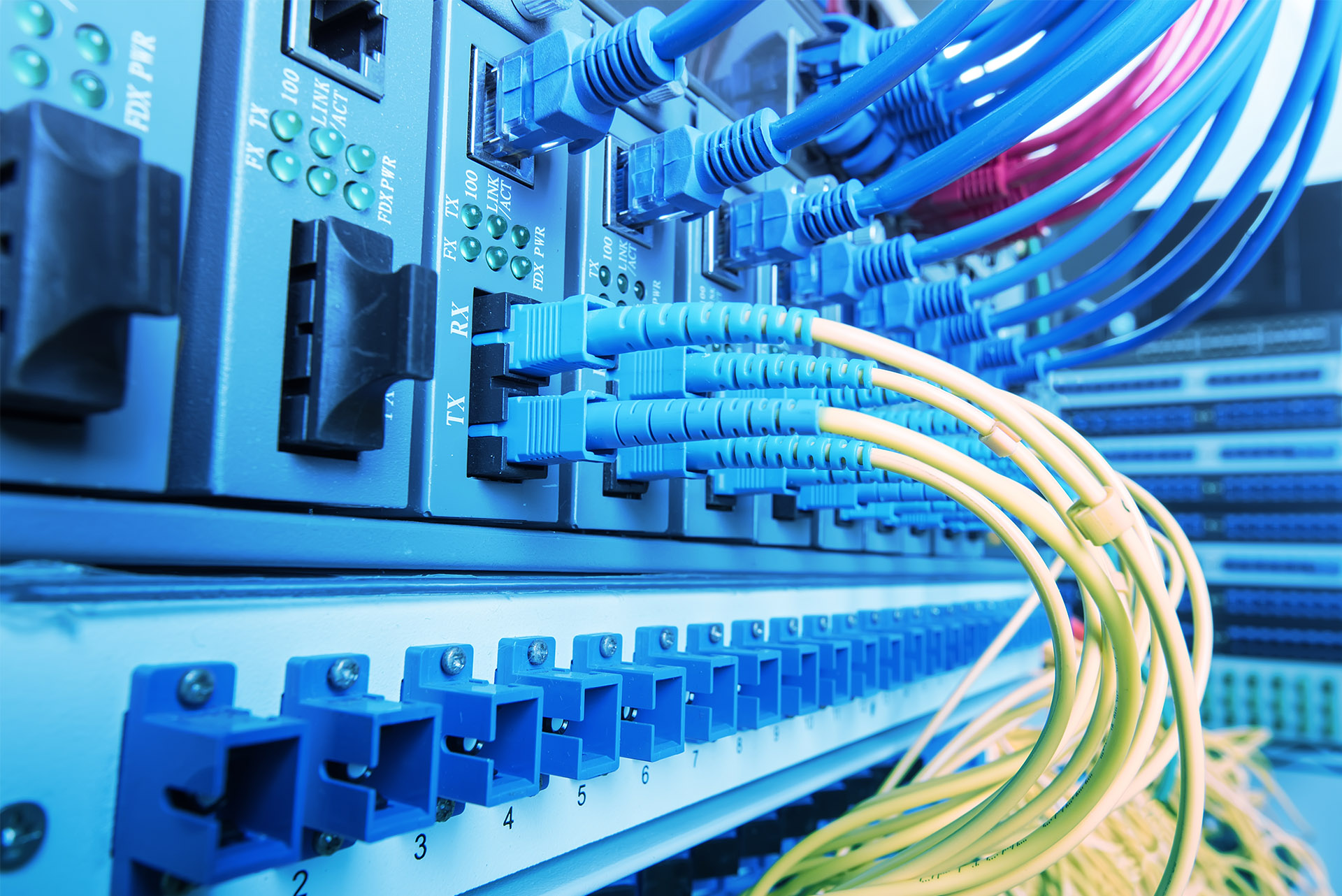
There are several types of cabling solutions available, including copper, fiber optic, and coaxial. Each type of cabling has its own advantages and disadvantages, so it’s important to choose the one that best suits your needs. For example, copper cabling is cost-effective and easy to install, but it may not be the best choice for long distances. Fiber optic cabling, on the other hand, is more expensive but offers faster data transfer speeds and is ideal for long distances.
Choose the Right Cable Category
Once you have chosen the type of cabling, you need to choose the right cable category. Cable category refers to the level of performance of the cable. The most common categories are Cat5e, Cat6, and Cat6a. Cat5e is the most basic option and is suitable for basic data transfer needs. Cat6 and Cat6a offer higher performance and are ideal for organizations with high data transfer requirements.
Plan Your Cabling Infrastructure
Before installation begins, you should plan your cabling infrastructure. This includes determining the locations where the cables will be installed and how they will be routed. It’s important to consider factors such as cable length and accessibility when planning your cabling infrastructure.
Choose the Right Cabling Provider
Once you have identified your needs and budget and chosen the type and category of cabling, it’s time to choose the right cabling provider. Look for a provider who has experience installing cabling solutions in organizations similar to yours. You should also check the provider’s reputation by reading reviews from previous customers.
Ensure Compliance with Industry Standards
When choosing a cabling provider installation, it’s important to ensure compliance with industry standards. This ensures that your cabling solution meets the requirements for safety, performance, and reliability. The most common industry standards for cabling solutions are TIA/EIA and ISO/IEC.
Consider the Future
Finally, it’s important to consider the future when choosing a cabling solution. Your organization may grow, and your data transfer requirements may change. Choose a cabling solution that can accommodate future growth and is easy to upgrade.
Choosing the right cabling solution for your needs requires careful consideration of several factors. By following the steps above, you can ensure that you choose a reliable and efficient cabling solution that meets your organization’s needs.
It’s important to remember that choosing a cabling solution is not a one-time decision. Your cabling solution will need to be maintained and upgraded as your organization grows and your data transfer requirements change. Therefore, it’s crucial to choose a cabling provider that offers ongoing support and maintenance services to ensure your cabling solution continues to meet your needs.
It’s also prudent to consider the environmental impact of your cabling solution. Opting for energy-efficient cabling solutions can help reduce your organization’s carbon footprint and lower energy costs. You should also consider the disposal of old cabling solutions and opt for providers who offer environmentally friendly disposal options.
