





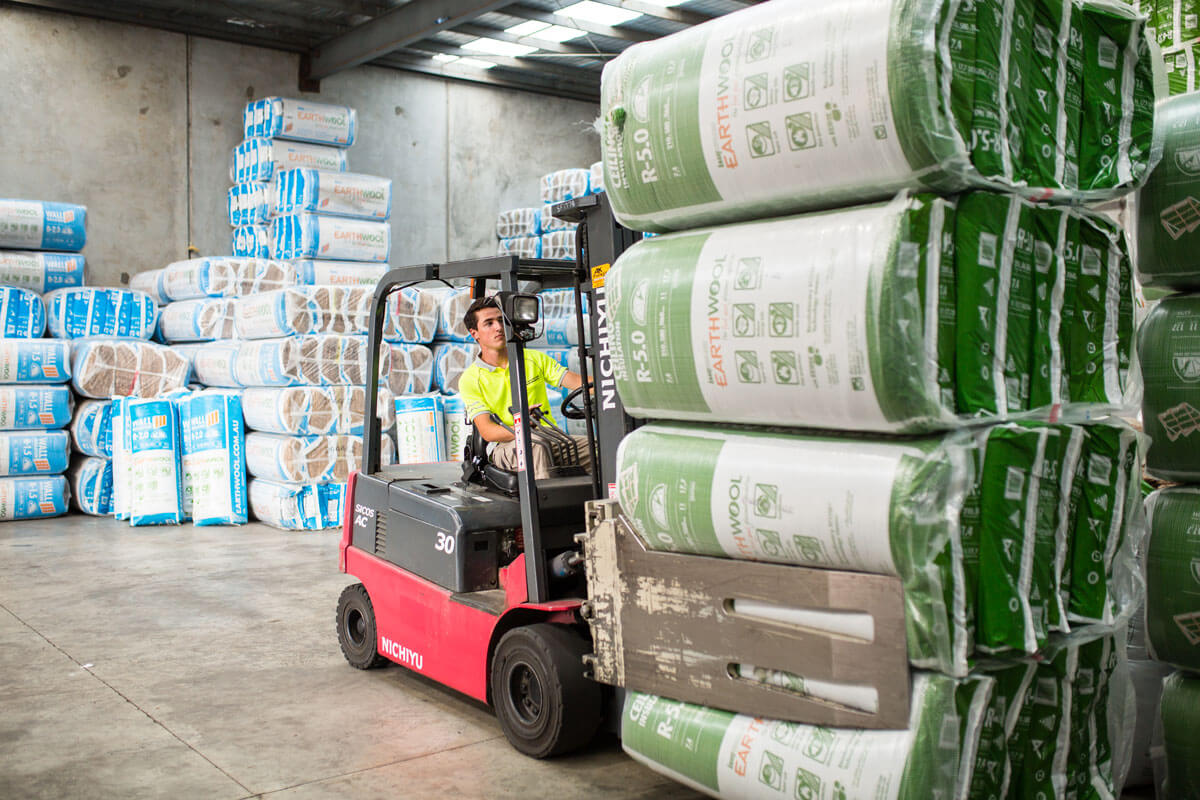


By simply choosing the right insulation, you can save some extra costs on your electricity usage and also make the building work-friendly. The energy costs in warehouses keep increasing. As a result, warehouses look for ways to reduce the bills while making their building much more energy efficient.
This is where insulation rolls come in. In this post, we will be talking about how the use of insulation rolls can help save cost and how to pick the right insulation rolls for your warehouse. But first, we will look at what an insulation roll is and how it is used.
What are insulation rolls?
Insulation rolls are a type of cover insulation, “blanket insulation”, that can be used during a building project. They are made from fibreglass. Insulation rolls are specifically designed to reduce the transfer of heat within a building.
Insulation rolls, compared to other types of insulation, are less expensive and flexible. They are used for both roof and floor insulation. Roof insulation rolls are supported with a foil-facing and can be installed under metal roof. Underfloor insulation, on the other hand, is installed alternatively to insulation batts.
What are insulation rolls made of?
Insulation rolls are generally made up of mostly recycled glass (that is, fibreglass). This makes them eco-friendly. There are other types of Insulation rolls made from other materials such as foil insulation rolls, mineral wool insulation rolls and Sheep’s wool insulation rolls.
Foil insulation rolls (also known as Reflective Foil or Reflective Insulation) are made out of aluminium, thermo-foam and polypropylene. Mineral wool insulation rolls are made from stone wool or slag wool that is made into insulation rolls and Sheep’s wool insulation rolls are made of natural fibres. They are high in performance and offer both thermal and acoustic insulation in a building.
All the types of insulation rolls are effective in trapping heat and are environmentally-friendly. They are used in the lofts of warehouses, fitted between wooden joists or on top of them, depending on the level of general insulation installed. They can also be fitted between studs and beams. If you are looking to buy insulation rolls for warehouses, a foil insulation roll works perfectly.
How insulation rolls improve energy efficiency
Most warehouses are made of steel and usually come without insulation. This means that the external temperature can affect the internal temperature of the warehouse, making temperatures rise. By providing insulation rolls in your warehouse, you get to enjoy the following benefits:
Reduced heat
Insulation rolls effectively prevents heat from escaping from the roof. This allows the warehouse to maintain a cool internal temperature that is comfortable for work and other activities to take place.
Reduced electricity bill
Having your warehouse fully insulated helps reduce your utility bill. Insulation prevents heat transfer and thus, reduces your cooling and heating costs.
Environment friendly
Insulation rolls are environmentally-friendly. This means it reduces the release of harmful gases and chemicals that, otherwise, would have been let out into the air. That way, you don’t have to worry about causing pollution around you.
Reduced noise
A well insulated warehouse will be free from excessive noise from outside, especially if it is located in a noisy area.
Best time to insulate your warehouse
Warehouses can be insulated after or during the construction.
If you choose to insulate an old warehouse, it may likely be to reduce energy costs and to improve working and storing conditions. This type of insulation in an old warehouse is known as retrofitting.
On the other hand, some people may decide to install the insulation as they construct a new warehouse. Each option has its advantages and disadvantages. Retrofitting is usually expensive and requires the expertise of a professional. Compared to insulating a warehouse during its construction, retrofitting is also time-consuming.
A warehouse may get new insulation on top of an existing one. This increases the lighting in the warehouse due to the shiny surface of the new insulation, when reflective foil insulation is used on the roof.
What to consider when choosing the right insulation for warehouses
There are several factors you must consider when deciding on the type of insulation roll that is best for your warehouse. Factors such as
- Prevention of heat transfer
- Sound barrier
- Easy installation
- Protection against moulds and rots
These factors should be considered when choosing the type of insulation roll to buy for your warehouse. If you are not sure, you can consult with a professional before buying.


