







Chronic pain can occur due to myriads of ailments, including cancer, sickle cell disease, neuropathy, arthritis, and fibromyalgia. The search for effective treatments to mitigate the effects of chronic pain syndromes has also increased due to their prevalence.
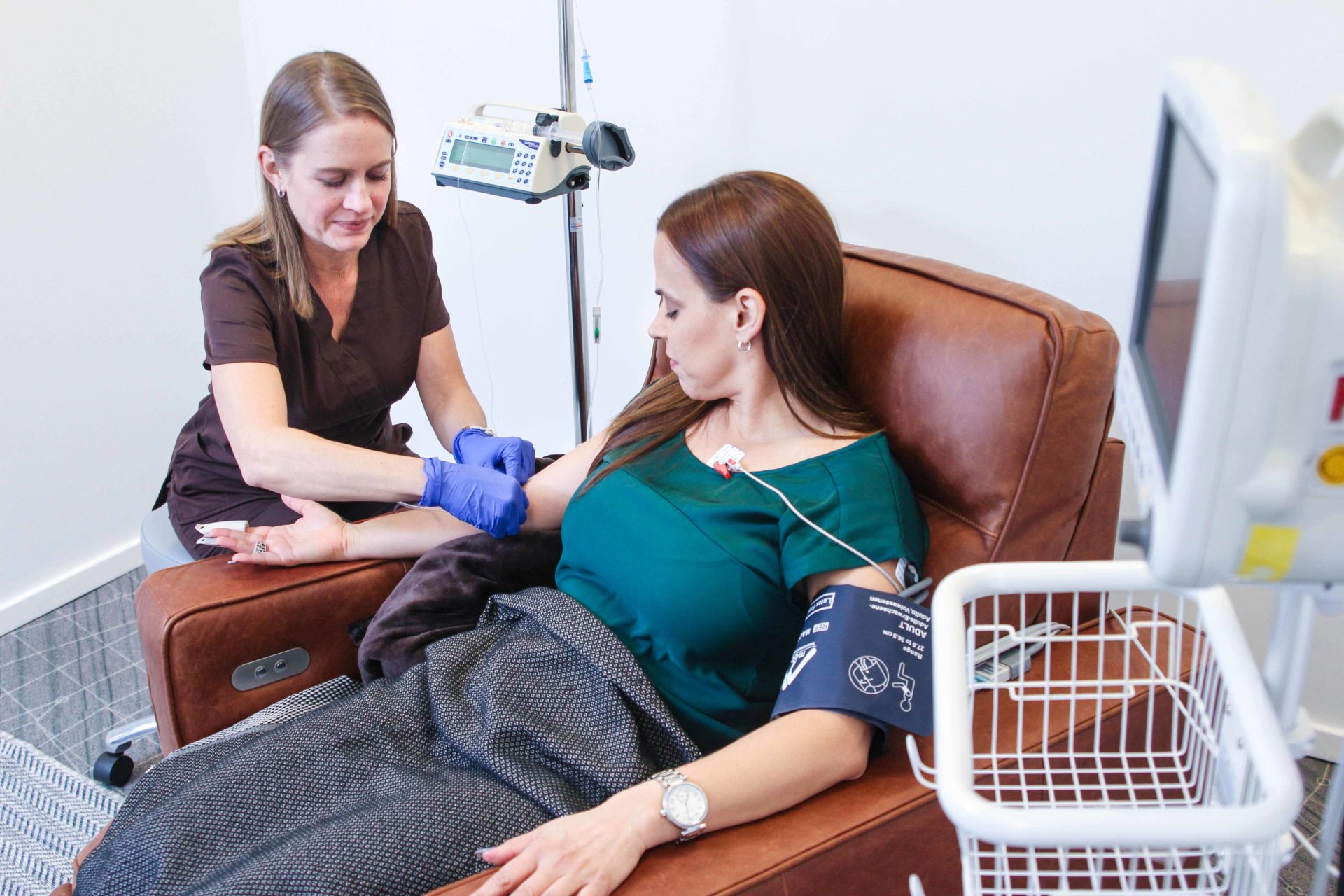
In this regard, ketamine infusion has emerged as a promising therapy for chronic Pain Management. Thus, if you’re considering this approach, the compassionate care team at Complete Ketamine Solutions can create a tailored protocol to address your discomfort.
That aside, collective evidence suggests that ketamine offers moderate to substantial pain relief for patients suffering from chronic pain. That means some patients may experience comfort while others may not. Here are some of the aspects that determine the effectiveness of ketamine infusions.
Interaction with Other Drugs
Certain substances can impact the effectiveness of ketamine infusion therapy. For example, patients who use amphetamines or other drugs may not experience the full benefits of the treatment.
Basically, these substances can affect how the body processes ketamine, potentially decreasing its ability to alleviate pain. Inform your healthcare provider about other substances you may be taking, so they can individualize your treatment accordingly.
Likewise, illicit drugs such as marijuana, cocaine, or heroin can impact patient outcomes. If you are using such drugs and wish to explore ketamine infusion therapy for chronic pain relief, discuss the option with your care provider.
Health Condition
The nature of the condition being treated can significantly affect outcomes. Factors like the severity of the injury ailment, the individual’s pain threshold, their genetic makeup, and rate or metabolism can impact how well they respond to ketamine infusion therapy. For example, spinal injuries and cancer can present very different challenges in pain management.
While some patients may experience significant relief from chronic pain after just one treatment, others may require multiple sessions or additional treatments to achieve the same results. By understanding how different conditions can impact the efficacy of ketamine infusion therapy, doctors can develop a treatment plan to address each individual’s specific needs.
Clinical Approach
The approach a clinic uses also has a say on the matter. For starters, every clinic has its modus operandi (method of operation). Thus, a patient-centered clinic is likely to adopt a personalized approach to pain management, accounting for factors such as the patient’s medical history, lifestyle, nature of their condition, and specific pain-related goals.
Conversely, a clinic with a divergent approach may follow a one-size-fits-all pain management protocol, potentially resulting in poor patient outcomes. Likewise, how patients feel about their progress during therapy can determine whether they adhere to treatment. Hence, if they feel like they’re not making headway, they may discontinue the treatment or seek other alternatives.
Dosage
Ketamine is a powerful drug with tremendous potential to alleviate chronic pain. Even so, care providers generally use low dosages to ensure safety and minimize potential risks. And although such doses can address most types of chronic pain, some patients may require different doses depending on their condition.
However, straying from your doctor’s recommendations or prescription can impact outcomes. For instance, taking more pills than prescribed may cause serious side effects, such as hallucinations or mania. In other words, more isn’t always better. Hence, patients should trust their healthcare provider’s guidance to find lasting pain relief.
Method of Administration
A care provider can administer ketamine in multiple ways, depending on the patient’s condition. For instance, intravenous (IV) infusion delivers the drug directly into the bloodstream for immediate relief. In contrast, sublingual pills offer a slower release as they pass through the digestive system before entering the bloodstream.
Additionally, some patients may benefit from intranasal or intramuscular administration, depending on the patient’s body weight and condition. To ensure effectiveness and safety, clinicians should administer the appropriate dose cautiously, no matter the chosen route.
Medical Supervision
Clinics offering ketamine infusion therapy should monitor their patients to ensure efficacy and prevent abuse. Without such supervision, patients would be left to their own devices, implying they could overdose and put their health at risk.
To access ketamine therapy safely, patients should find a clinic that provides comprehensive medical supervision and follow-up care. The clinic should also offer a detailed treatment plan outlining potential risks or side effects. Similarly, they can adjust the course of treatment or stop it if a patient experiences adverse effects.
Ketamine infusion isn’t for every patient experiencing chronic discomfort. Nonetheless, if you’re experiencing chronic neuropathic pain (due to ailments affecting your nervous system) and have tried numerous other opioids without success, you might consider ketamine therapy. But before you do, discuss the option with your healthcare provider or the clinic offering the treatment – so you’re aware of what to expect.


