


Varicose veins are a common medical condition characterized by enlarged and twisted veins, usually found in the legs and feet. While they may appear unsightly, they can also cause discomfort, pain and affect circulation. Compression socks have gained popularity as a non-invasive solution for managing varicose vein pain and improving blood flow. In this article, we will explore how compression socks work and their potential benefits in alleviating varicose vein pain and boosting circulation.
Understanding Varicose Veins
Varicose veins occur when the valves in the veins weaken or become damaged, leading to blood pooling and resulting in enlarged, bulging veins. The condition is often linked to genetic factors, prolonged standing, obesity, and hormonal changes. Common symptoms include aching, swelling, and a feeling of heaviness in the legs. Additionally, varicose veins can impact blood circulation, potentially leading to more severe complications if left untreated.
How Compression Socks Work
Compression socks work based on the principle of graduated compression, applying the highest pressure at the ankles and gradually reducing pressure as they move up the leg. This design aids in pushing the blood upwards, against gravity, and towards the heart. By doing so, compression socks promote better circulation and prevent blood from pooling in the lower extremities.
Benefits of Compression Socks for Varicose Vein Pain
Compression socks offer several benefits for individuals suffering from varicose veins. The constant pressure exerted by the socks helps reduce swelling and discomfort, making them an effective non-pharmacological method for pain relief. Moreover, compression socks can alleviate the sensation of leg heaviness and fatigue commonly associated with varicose veins. The improved blood flow and oxygenation to the legs can also aid in faster recovery after physical activities.
Choosing the Right Compression Socks
When selecting compression socks, understanding the different compression levels is crucial. Mild to moderate compression is suitable for most individuals with varicose veins. Proper sizing and fit are essential to ensure the effectiveness of the socks. There are various styles and materials available, and choosing the right one depends on individual preferences and needs.
Who Can Benefit from Compression Socks
Compression socks can benefit a wide range of individuals, including those with mild to moderate varicose veins, pregnant women experiencing vein-related discomfort, and athletes looking to improve their performance and recovery. However, individuals with severe venous insufficiency should consult a healthcare professional for appropriate treatment options.
Using Compression Socks Correctly
To maximize the benefits of compression socks, it’s essential to wear them correctly. Putting on and taking off compression socks requires a specific technique to ensure proper compression distribution. Wearing them consistently, as recommended by a healthcare professional, can enhance their effectiveness. Additionally, proper maintenance and care are necessary to prolong the lifespan of the socks.
Other Lifestyle Tips for Varicose Veins
In conjunction with wearing compression socks, adopting a healthy lifestyle can further improve vein health. Regular exercise, especially activities that promote leg movement, can aid in circulation. A balanced diet rich in antioxidants and anti-inflammatory foods can support overall vascular health. Avoiding prolonged periods of sitting or standing can also reduce the risk of developing varicose veins.
Addressing Varicose Veins: Medical Treatments
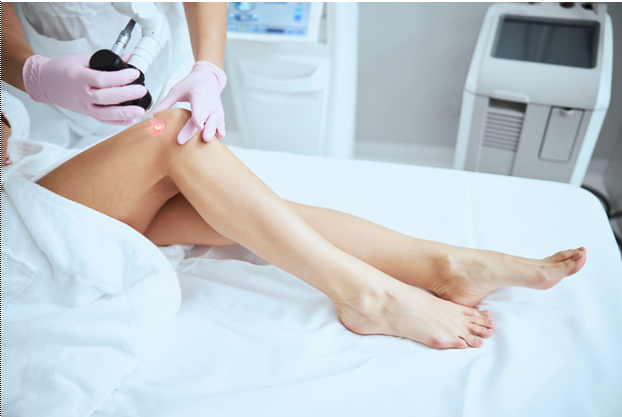
While compression socks are beneficial for mild to moderate cases of varicose veins, individuals with more severe conditions may require medical interventions. Sclerotherapy and laser therapy are common treatments used to close off problematic veins. Surgical options, such as vein stripping and endoscopic vein surgery, may be recommended for severe cases.
Compression Socks vs. Other Treatment Options
Comparing compression socks with medical interventions, compression socks offer a non-invasive and cost-effective option for managing varicose veins. They are generally safe to use and rarely have side effects. However, for individuals with severe venous insufficiency, medical treatments may be more appropriate.
In conclusion, compression socks have proven to be a valuable and non-invasive solution for alleviating varicose vein pain and enhancing circulation in individuals with mild to moderate varicose veins. Their graduated compression design effectively reduces swelling, discomfort, and fatigue associated with this medical condition. Additionally, compression socks promote improved blood flow and oxygenation, contributing to overall leg health.
For those seeking relief from varicose vein pain, compression socks from reputable sources like BLITZU (https://www.blitzugear.com/) offer high-quality options to consider. Ensuring the right compression level and proper sizing are essential to maximize the benefits of compression socks.
In conclusion, compression socks play a valuable role in managing varicose vein pain and promoting better circulation, contributing to an improved quality of life for affected individuals.
