





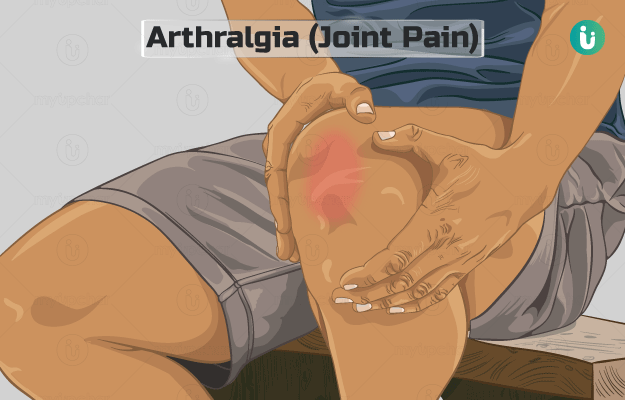


An Overview Of Arthritis And Joint Pain In Seniors
Arthritis is a disorder of the joints characterized by the breaking down and inflammation of the tissue that cushions the bones within the joint. Pain, swelling, stiffness, soreness, and redness are all symptoms of arthritis.
The disorder might be mild and cause a slight stiffness of the joints that don’t interrupt your daily activities. And it can be so severe that it can leave you in bed and unable to work for days.
There are various types of arthritis, such as gout, osteoarthritis, and rheumatoid arthritis. Of the three, Osteoarthritis is the most common form of arthritis that older people suffer from.
The exact cause of arthritis is unknown, but some risk factors include:
- Obesity
- A family history of arthritis
- Overuse of the joints, for example, in playing sports
- Surgery or injury to a joint
The pain caused by arthritis can be relieved using medication prescribed by a doctor. And even though it is said that arthritis cannot be cured permanently, it can be managed for a long time if properly treated. It is important to find primary care doctor or a general practitioner that will pay proper attention to correctly treating your ailment.
How Homeopathy Works For Joint Pain and Arthritis
Homeopathy is a system of alternative medicine developed around 200 years ago by a German physician.
Homeopathy is based on the principle of treating each individual’s sickness as a unique condition that is to be treated properly. In diagnosing and prescribing treatment for a patient, homeopathy considers special things like the patient’s emotions, work habits, diet, and the direction that the symptoms are traveling.
Homeopathic remedies are developed based on two basic principles:
- That ‘like cures like.’ Homeopathy believes that ingredients that cause some symptoms in a healthy person can cure an illness with the same symptoms. For example, onions make our eyes water, which is used as an ingredient in allergy remedies. Other ingredients used to make homeopathic remedies include arnica, poison ivy, crushed bees, and white arsenic.
- That ‘the lower the drug concentration, the greater the cure.’ Homeopathic remedies are formulated based on this principle. They are usually so diluted that sometimes, no molecules are left in the active ingredient’s drug.
In the treatment of arthritis, homeopathy takes into consideration things such as:
- The direction of the pain
- What parts of the body it affects
- How frequently it occurs
- If changes in weather conditions aggravate it.
Homeopathic remedies have been involved in some clinical trials to treat arthritis, producing better results than conventional drugs. We shall now look at some of these remedies.
Homeopathic Remedies For Arthritis and Joint Pain In Seniors
Consultation with homeopathy physicians might take longer periods than those with conventional doctors. This is because homeopathy attempts to understand each patient’s unique condition and give treatments based on that.
Homeopathic remedies for arthritis are prescribed based on the patient’s unique symptoms and signs. Some of them are:
- Ledum: Ledum Pal is prescribed for arthritic pain that starts from the feet and travels to the upper joints. If you feel cold but at the same time cannot bear to be warm, then Ledum might be considered as a cure. Other symptoms that Ledum commonly treats are arthritic nodes and swelling of the toes and ankles.
- Calcarea Carbonica: It is most effective for the treatment of osteoarthritis. Joint deformities, stiffness of joints, and deformed joints are all symptoms that call for the use of this particular remedy. Also, if your kind of arthritis is one where the pain gets better by keeping the area warm, then this remedy might be prescribed for your use.
- Colchium: Colchium is used to treat arthritis, where the pain worsens at night and in the evening. If the pain you experience tends to get worse with touch, and it feels like it moves from joint to joint, this remedy might be prescribed for your use.
- Caulophyllum: Caulophyllum is used to treat rheumatoid arthritis. It comes in useful when the symptoms experienced affect only the small joints, like those in the fingers and toes. Caulophyllum is most commonly prescribed to women.
- Rhus Tox: If the joint pain worsens with movement, and is especially bad when sitting or just about to stand up, then Rhus Tox is appropriate for your use. Stiffness, soreness, back pain, and a paralyzed sensation are also symptoms that Rhus Tox treats.
- Pulsatilla: Pulsatilla treats arthritis with symptoms such as wandering pain, swollen joints, and aggravation from warmth. Also, if your joint pain improves with slow, easy movements, then Pulsatilla might be given.
- Rhododendron: Rhododendron is used to treat joint pain that worsens with cold weather. Also, if the rheumatic pains move from joint to joint with periodic swelling of joints, this remedy can be useful.
- Bryonia: In arthritis that causes all the joints and joint membranes to be swollen and the pain to increase with the smallest motion, Bryonia is prescribed. It can also be given when the patient has deformed joints.
The Role Of Primary Care Physicians In Homeopathic Treatment For Seniors
Primary care physicians attempt to provide individual-focused care for all their patients. It is their duty to also listen and be attentive to their patient’s concerns. They have to try not only to treat the ailment while neglecting the person’s needs.
In using homeopathy for your arthritis and joint pain, your primary care doctors also have some roles to play. These include:
- Monitor your progress: your primary care practitioner can be involved in your homeopathic care by helping to track your progress. They can compare your results with your previous medical history, which will guide them on progressing with your treatment.
- The primary care physician can also keep an eye out for fake remedies. They can check the actions of homeopathic remedies you are about to use and confirm that you are not using something that is potentially harmful to your health.
- Since your primary care doctor has in-depth knowledge of your medical history, they can send your records to your homeopathic physician. This will help to smooth your treatment regimen as they can make the most beneficial decisions for you.
Benefits of Homeopathic Solutions For Arthritis and Joint Pain in Seniors
Some of the benefits of using homeopathic remedies to treat your arthritis and joint pain include:
- There are no adverse effects: scientific research has yet to identify any serious side effects of using homeopathic remedies. Of course, each person’s reaction to a remedy will be different. Sometimes, people experience increased pain at the beginning of their treatment, but this always quickly disappears.
- Like primary care, homeopathy is individual-focused: the whole point of homeopathy is to provide care specially tailored to each person’s needs. The consultants truly listen to your needs and want to know as much as they need to about your life. This will help them to properly diagnose your condition and provide the right treatment for your pain.
- Low doses of natural products are used: the remedies are formulated based on the principle of “the lower the dose, the greater the cure.” This means there is as little active ingredient as possible in the drug. And since they are created using natural products, the risk of ingesting harmful chemical agents is absent.
Conclusion
Homeopathy is a form of alternative medicine that aims to treat every person’s ailment uniquely. This system uses natural remedies, such as arnica and white arsenic, without adverse effects.
In the treatment of arthritis in seniors, homeopathic remedies can come in useful. These remedies include Ledum, Rhododendron, and Bryonia. They were formulated with specific symptoms and conditions in mind, and studies have shown them to be effective.
It is important to involve your primary care physician in your treatment, as they can keep an eye out for you and track your progress.
At the end of the day, the goal is for all to be healthy, and seniors deserve to age peacefully without pain. If homeopathy can help to achieve this goal, then there is no harm in trying!
FAQ’s
- Are homeopathic treatments painful?
Answer: Homeopathic remedies are usually in the form of sugar pellets, tablets, powder, liquid medicine, or other forms. They are not usually painful to administer as the patient mostly swallows them by mouth.
- How fast will homeopathy heal my arthritis?
Answer: The time it takes for your symptoms to cease will totally depend on the individual. The physician will of course work to the best of their abilities, and try to heal you. However, it is important to note that the time it takes to heal totally depends on the individual genetic makeup, among other factors.
- Where do I find a primary care doctor?
Answer: To find a primary care doctor, you can look through the resources available on the internet. There are various primary care clinics that are available, specifically for the care of seniors. You can also ask your friends or family members for referrals.


