





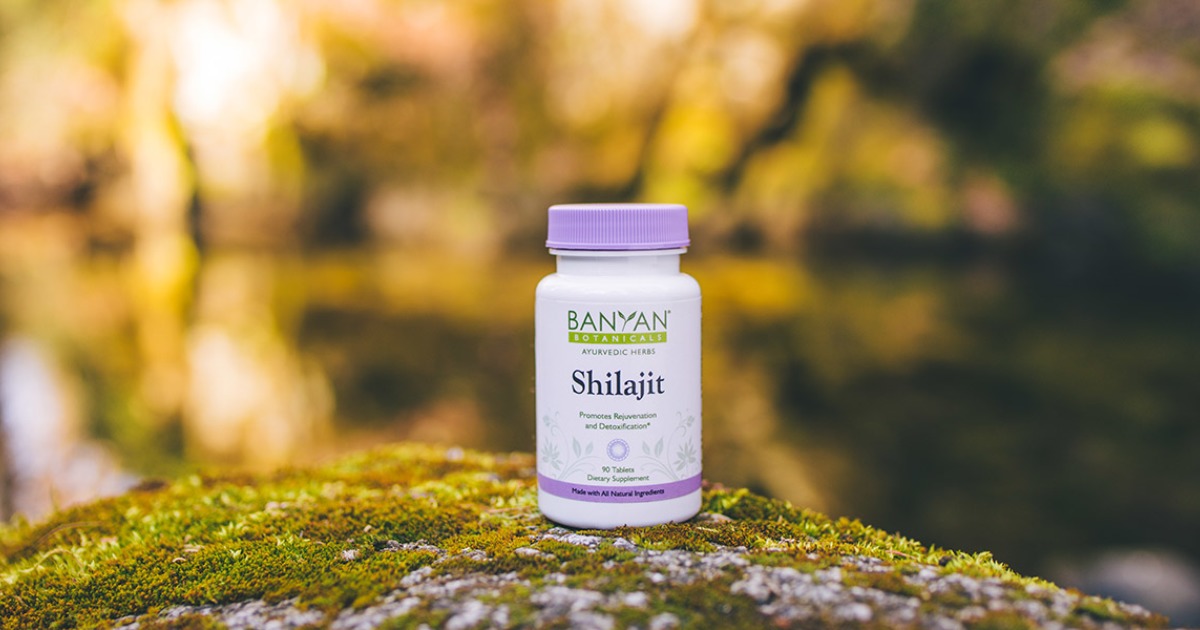


Shilajit oil, a natural substance derived from the mountains, has gained significant popularity in recent years due to its numerous health benefits and medicinal properties. In this article, we will explore the origins, uses, and application of Shilajit oil, providing you with comprehensive information to make an informed decision about incorporating it into your wellness routine.
What is Shilajit?
Shilajit is a sticky black substance that oozes from rocks in the high-altitude regions of the Himalayas. It contains a complex mixture of minerals, fulvic acid, humic acid, and other organic compounds, making it a potent and health-promoting substance.
Benefits of Shilajit Oil
1. Promotes Energy and Vitality
Shilajit oil is renowned for its ability to enhance energy levels and combat fatigue. It contains fulvic acid, which helps improve the body’s ability to convert nutrients into energy, resulting in increased stamina and vitality.
2. Supports Cognitive Function
Shilajit oil is known for its positive effects on cognitive function. It promotes mental clarity, focus, and memory retention. The fulvic acid present in Shilajit oil helps enhance brain health by reducing oxidative stress and supporting neural pathways.
3. Enhances Physical Performance
For individuals involved in athletic activities or regular exercise, Shilajit oil can be a valuable addition to their routine. It aids in the transportation of oxygen to muscles, improves endurance, and reduces post-workout recovery time.
4. Supports Joint Health
Shilajit oil possesses anti-inflammatory properties that can benefit individuals suffering from joint pain or arthritis. Its natural compounds help reduce inflammation, alleviate discomfort, and promote joint health.
5. Promotes Anti-Aging Effects
The high concentration of antioxidants found in Shilajit oil makes it a powerful tool in combating the signs of ageing. It helps protect the body against free radicals, reduces oxidative stress, and supports the health and elasticity of the skin.
How Shilajit Oil is Made
Shilajit oil is carefully sourced and undergoes a purification process to ensure its purity and potency. The raw Shilajit resin is collected from the mountains and undergoes rigorous filtration and purification steps to remove any impurities or contaminants.
During the purification process, the Shilajit resin is carefully processed to extract the beneficial components while eliminating any unwanted substances. This ensures that the final product, Shilajit oil, is of high quality and free from any harmful elements.
The composition of Shilajit oil can vary slightly depending on the specific source and purification method used. However, it typically contains a combination of minerals such as iron, calcium, magnesium, and zinc, along with fulvic acid, humic acid, and other organic compounds.
How to Use Shilajit Oil
When it comes to using Shilajit oil, it’s essential to follow the recommended dosage and application methods for optimal results. Here are some guidelines to consider:
Recommended Dosage
The appropriate dosage of Shilajit oil can vary depending on factors such as age, overall health, and individual needs. It’s recommended to start with a low dosage and gradually increase it to find the right balance for your body.
Typically, a daily dosage of 300-500 milligrams of Shilajit oil is considered safe and effective. However, it’s always advisable to consult with a healthcare professional before starting any new supplement regimen.
Application Methods
Shilajit oil can be consumed orally or applied topically, depending on the desired effects. Here are two common application methods:
- Oral Consumption: To take Shilajit oil orally, mix the recommended dosage with a glass of warm water or herbal tea. Stir well and consume it on an empty stomach for better absorption. It’s important to note that Shilajit oil has a strong taste, so you may want to mask it with a flavoured beverage.
- Topical Application: For topical use, gently massage a small amount of Shilajit oil onto the desired area. This can be particularly beneficial for joint pain, skin conditions, or muscle soreness. Ensure that the oil is well-absorbed before covering the area with clothing or bandages.
Remember to read the instructions provided by the manufacturer and follow their specific guidelines for usage.
Precautions and Side Effects
While generally safe, caution should be exercised when using Shilajit oil. Individuals with known allergies to Shilajit or its components should avoid its use and seek medical attention for allergic reactions. Consultation with a healthcare professional or pharmacist is important to check for potential interactions with medications. Pregnant or breastfeeding women and those with underlying medical conditions should seek medical advice before using Shilajit oil.
Conclusion
In conclusion, Shilajit oil, derived from the mountains, is renowned for its rich mineral and nutrient content, offering various health benefits. By choosing a reputable supplier, following recommended dosage and application methods, and being aware of potential precautions and side effects, you can incorporate Shilajit oil into your wellness routine. Experience the potential transformative effects of this natural supplement and support your overall health and well-being.


