







Horses as a Spiritual Symbol in Remington’s Art
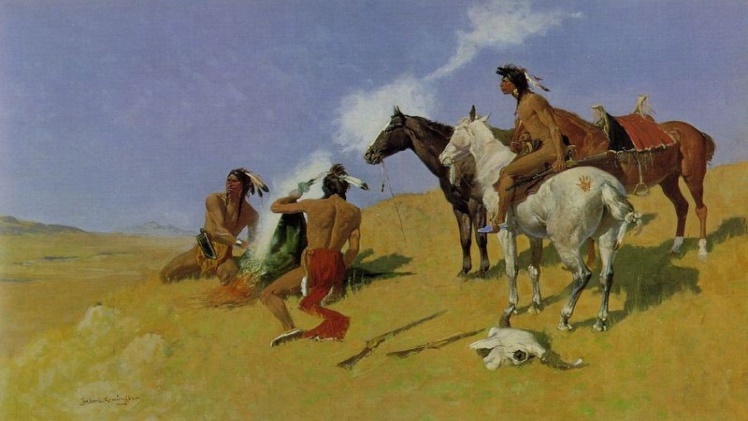
Horses were a central element of the American West, serving as essential transportation, work animals, and companions to settlers and Native Americans alike. In Frederic Remington’s art, however, horses took on a deeper symbolic significance, representing a powerful spiritual force that embodied the raw energy and vitality of the natural world.
Remington’s depictions of horses often emphasized their muscular bodies and flowing manes, evoking a sense of strength, grace, and power that seemed almost supernatural. In many of his works, horses appeared as if they had emerged from some mythic realm, imbued with a sense of otherworldly energy that transcended their mundane reality.
One of the most striking examples of Remington’s use of horses as a spiritual symbol can be found in his painting “The Smoke Signal.” In this work, a Native American warrior stands atop a rocky outcropping, surrounded by a small herd of wild horses. The horses are depicted in dynamic poses, their bodies twisting and turning as they run through the rugged landscape. The effect is one of raw energy and vitality, as if the horses are surging forward with an almost supernatural force.
Another example can be found in Remington’s painting “The Scout,” which depicts a cowboy on horseback surveying the landscape. The horse is depicted in a powerful pose, its body tense and coiled as if ready to spring into action. The horse’s muscular form and flowing mane suggest a deep connection to the natural world, as if it is an extension of the landscape itself.
For famous artist Frederic Remington, horses represented a connection to something greater than oneself, a primal energy that transcended the constraints of civilization and technology. In this sense, horses were a spiritual symbol, embodying the raw power and vitality of the natural world.
Today, Remington’s depictions of horses continue to captivate audiences around the world. His use of these magnificent creatures as a spiritual symbol adds a depth and richness to his art that transcends their historical context, reminding us of the enduring power of myth and legend to capture the human imagination and transport us to worlds beyond our own.
Native Americans as Spiritual Figures in Remington’s Art
Native Americans played a vital role in the history of the American West, serving as stewards of the land and guardians of ancient traditions and spiritual practices. In Frederic Remington’s art, Native Americans were often depicted as spiritual figures, imbued with a deep connection to the natural world and a reverence for the forces that govern the universe.
One of the most striking examples of Remington’s use of Native Americans as spiritual figures can be found in his painting “The Medicine Man.” In this work, a Native American shaman is depicted performing a ritual, surrounded by a circle of onlookers. The shaman’s body is painted with intricate designs, evoking a sense of otherworldly power and mysticism. The scene is depicted with a sense of reverence and respect, as if the viewer is witnessing something deeply sacred and profound.
Another example can be found in Remington’s painting “The Signal.” In this work, a Native American warrior stands atop a rocky outcropping, surveying the landscape. The warrior is depicted in a pose of deep contemplation, as if he is communing with the spirits of the land and seeking guidance from the unseen forces that govern the universe. The scene is depicted with a sense of reverence and respect, as if the viewer is witnessing a moment of profound spiritual significance.
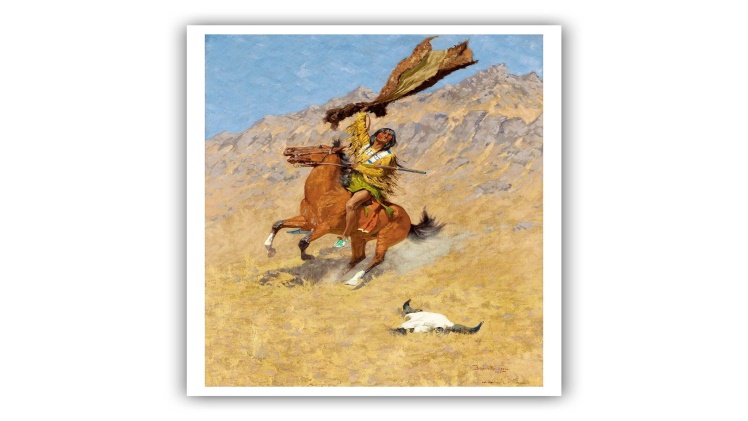
For Remington, Native Americans represented a connection to the natural world and a reverence for the spiritual forces that govern the universe. His depictions of them as spiritual figures added a depth and richness to his art that transcended their historical context, reminding viewers of the enduring power of myth and legend to capture the human imagination and transport us to worlds beyond our own.
Today, Remington’s depictions of Native Americans continue to captivate audiences around the world. His use of them as spiritual figures serves as a powerful reminder of the rich cultural heritage of the American West and the enduring significance of Native American traditions and spirituality.
Cowboys as Spiritual Figures in Remington’s Art
Cowboys played a prominent role in the history and mythology of the American West, serving as symbols of rugged individualism, self-reliance, and freedom. In Frederic Remington’s art, however, cowboys were often depicted as more than just heroic figures; they were also spiritual figures, connected to the natural world and imbued with a deep sense of reverence for the forces that govern the universe.
One of the most striking examples of Remington’s use of cowboys as spiritual figures can be found in his painting “The Coming and Going of the Pony Express.” In this work, a group of cowboys are depicted gathered around a campfire, surrounded by the vast expanse of the western landscape. The scene is depicted with a sense of reverence and respect, as if the cowboys are communing with the spirits of the land and seeking guidance from the unseen forces that govern the universe.
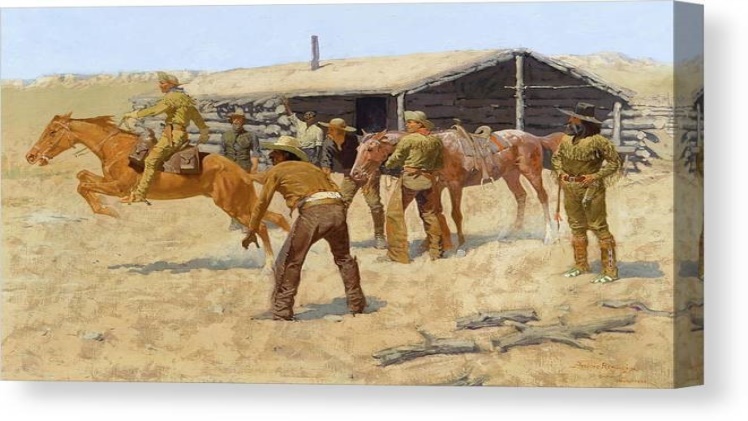
Another example can be found in Remington’s painting “The Herd Quitter.” In this work, a lone cowboy is depicted on horseback, riding through a rugged landscape. The cowboy is depicted in a pose of deep contemplation, as if he is seeking guidance from the natural world and the spiritual forces that govern it. The scene is depicted with a sense of awe and reverence, as if the viewer is witnessing a moment of profound spiritual significance.
For Remington, cowboys represented a connection to the natural world and a reverence for the spiritual forces that govern the universe. His depictions of them as spiritual figures added a depth and richness to his art that transcended their historical context, reminding viewers of the enduring power of myth and legend to capture the human imagination and transport us to worlds beyond our own.
Today, Remington’s depictions of cowboys continue to captivate audiences around the world. His use of them as spiritual figures serves as a powerful reminder of the enduring significance of the American West as a source of myth and legend, and the enduring human quest for meaning and transcendence in the face of a vast and mysterious universe.
Conclusion
Frederic Remington’s art offers a unique interpretation of the spiritual landscape of the American West. Through his use of mythology and symbolism, Remington imbued his depictions of the region’s landscapes, animals, and people with a deep sense of spiritual significance, exploring themes of transcendence, connection to the natural world, and reverence for the forces that govern the universe.
Whether depicting horses as symbols of freedom and spiritual power, Native Americans as stewards of the land and guardians of ancient spiritual practices, or cowboys as seekers of guidance and connection to the natural world, Remington’s art speaks to a deep human longing for meaning and transcendence in the face of the vast mysteries of the universe.
Today, Remington’s art continues to captivate audiences around the world, offering a window into the rich cultural heritage of the American West and a powerful reminder of the enduring human quest for spiritual connection and transcendence. By exploring the mystical themes in Remington’s art, we can gain a deeper appreciation for the unique blend of myth, legend, and spirituality that has helped shape the identity of the American West and continues to resonate with us today.


